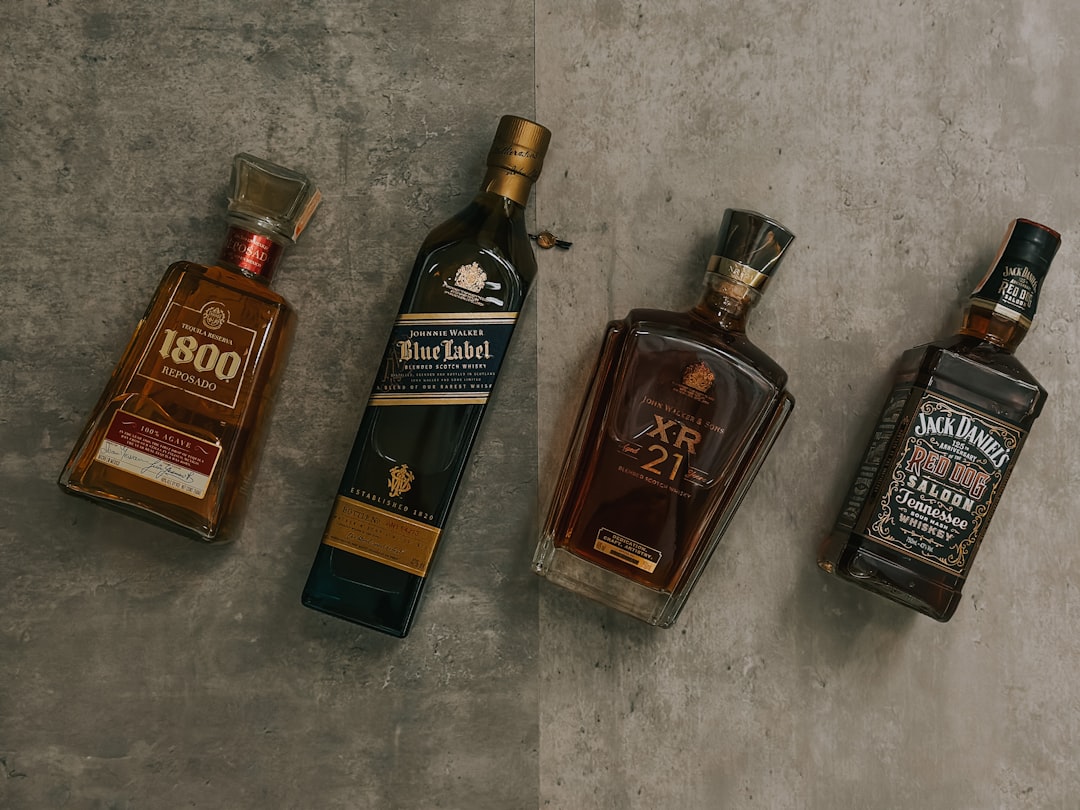
Whisky aging involves the maturation of distilled spirit in wooden barrels, typically made from oak, where chemical and physical processes develop the beverage’s final characteristics. During aging, the clear distillate undergoes oxidation, extraction of compounds from the wood, and evaporation of alcohol and water through the barrel walls. These processes contribute to flavor development, color acquisition, and the smoothing of harsh alcoholic notes present in new-make spirit.
The duration of aging varies by whisky type and regional regulations, with minimum aging requirements ranging from three years in Scotland to two years in the United States for bourbon. Environmental factors significantly influence the aging process, including temperature fluctuations, humidity levels, and air quality. Warmer climates accelerate chemical reactions and increase evaporation rates, while cooler conditions slow these processes, affecting the whisky’s development timeline.
Wood selection and barrel preparation directly impact flavor profiles. Charred oak barrels contribute vanilla, caramel, and spice notes through the extraction of lignins, tannins, and cellulose compounds. Previously used barrels, such as those that held bourbon or sherry, introduce additional flavor elements from their previous contents.
The interaction between the spirit and wood intensifies over time, with longer aging periods generally producing more complex flavor profiles, though diminishing returns may occur after extended periods depending on storage conditions and barrel characteristics.
Key Takeaways
- Whisky aging is a complex process influenced by barrels, wood, climate, and time.
- The type of wood and barrel used significantly shapes the flavor profile of whisky.
- Climate conditions affect the maturation speed and character of the whisky.
- Blending and bottling are crucial artistic steps that finalize the whisky’s unique taste.
- Innovations and emerging trends continue to evolve the traditional methods of whisky aging.
The Importance of Barrels in Whisky Aging
Barrels are the cornerstone of whisky aging, serving as both a container and a catalyst for flavor development. Traditionally made from oak, these barrels are not just vessels; they are integral to the maturation process. The choice of wood, the method of charring or toasting, and even the previous contents of the barrel all contribute to the final flavor profile of the whisky.
For instance, American oak barrels, often used for bourbon, impart sweet vanilla and caramel notes due to their high vanillin content. In contrast, European oak barrels, commonly used for sherry cask maturation, can add rich dried fruit and nutty flavors. The interaction between whisky and wood is a dynamic process.
As whisky ages in barrels, it penetrates the wood, extracting compounds that enhance its flavor and aroma. This exchange is influenced by several factors, including temperature fluctuations and humidity levels within the warehouse. The porous nature of oak allows for micro-oxygenation, which softens harsh alcohol notes and promotes the development of complex flavors over time.
Additionally, the charred interior of the barrel acts as a filter, removing undesirable compounds while simultaneously adding layers of complexity to the spirit.
The Role of Wood in Flavor Development
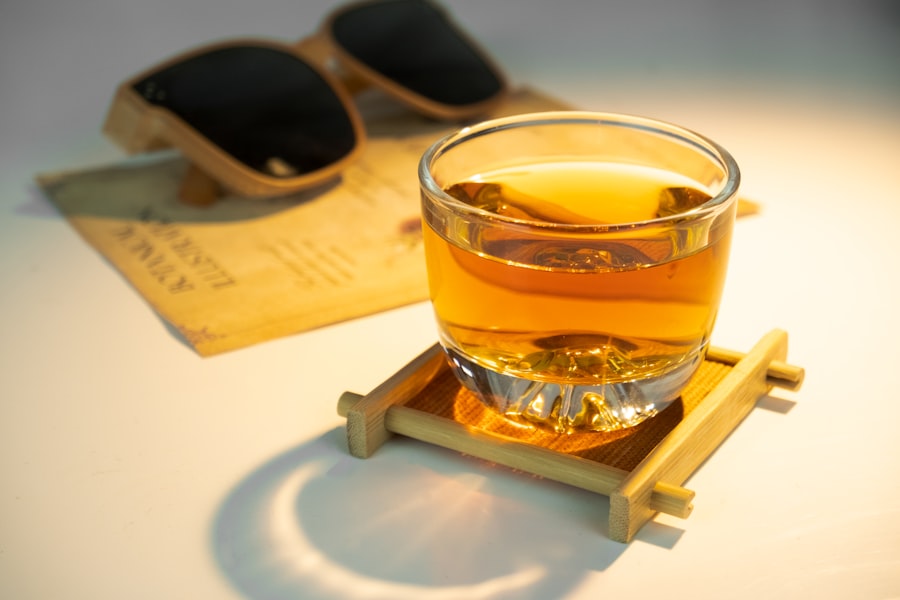
Wood plays a pivotal role in flavor development during whisky aging, acting as a source of various chemical compounds that contribute to the spirit’s overall profile. The primary components extracted from wood include lignin, hemicellulose, and tannins, each imparting distinct flavors and aromas. Lignin breaks down into vanillin during the aging process, providing sweet vanilla notes that are often associated with well-aged whiskies.
Hemicellulose contributes to mouthfeel and sweetness, while tannins can introduce astringency and complexity. Moreover, the type of wood used in barrel construction significantly influences flavor development. Different species of oak have unique characteristics; for example, French oak tends to impart spicier notes such as clove and cinnamon, while American oak leans towards sweeter profiles with hints of coconut and caramel.
Beyond oak, some distilleries experiment with alternative woods like cherry or maple to create innovative flavor profiles that challenge traditional norms. This exploration into diverse wood types reflects a growing trend among whisky producers to push boundaries and create distinctive expressions.
The Influence of Climate on Whisky Aging
Climate is a critical factor in whisky aging that can dramatically affect the maturation process. Distilleries located in warmer regions experience faster aging due to higher temperatures, which increase the interaction between whisky and wood. In these environments, whiskies may develop richer flavors more quickly than those aged in cooler climates.
For instance, whiskies from Kentucky often exhibit bold caramel and vanilla notes due to the hot summers that accelerate maturation. Conversely, cooler climates can lead to slower aging processes, allowing for more subtle flavor development over extended periods. Scottish whiskies are often characterized by their delicate balance of flavors, attributed in part to the temperate maritime climate that slows down evaporation and oxidation rates.
Additionally, humidity plays a role; in humid environments, water evaporates more quickly than alcohol, leading to higher alcohol concentrations in the remaining spirit. This phenomenon can result in a more intense flavor profile as the whisky ages.
The Art of Blending Whisky
| Age (Years) | Color | Flavor Characteristics | Alcohol Content (%) | Common Barrel Type |
|---|---|---|---|---|
| 1-3 | Light Straw | Fresh, Grainy, Slightly Sweet | 60-65 | New American Oak |
| 4-6 | Golden | Vanilla, Light Oak, Fruity | 58-62 | Ex-Bourbon Barrel |
| 7-10 | Amber | Caramel, Nutty, Spicy | 55-60 | Ex-Sherry Cask |
| 11-15 | Deep Amber | Rich, Complex, Dried Fruit | 53-58 | Combination of Oak Types |
| 16-20 | Dark Amber | Full-bodied, Smoky, Woody | 50-55 | Oloroso Sherry Cask |
| 21+ | Mahogany | Intense, Smooth, Layered Flavors | 48-54 | Various Matured Casks |
Blending is an art form that requires skill and intuition, allowing master blenders to create harmonious whiskies that appeal to a wide range of palates. The blending process involves combining different single malts or grain whiskies to achieve a desired flavor profile. Each component contributes its unique characteristics, resulting in a final product that is greater than the sum of its parts.
Master blenders often draw upon extensive experience and knowledge of individual cask profiles to craft their blends. The complexity of blending lies not only in selecting the right whiskies but also in understanding how they will interact with one another over time. Factors such as age, cask type, and previous contents all play a role in determining how well different whiskies will meld together.
For example, a master blender might combine younger whiskies with older ones to balance freshness with depth or mix different cask types to create layers of flavor complexity. This meticulous process ensures that each batch maintains consistency while still allowing for unique expressions.
The Impact of Time on Whisky Aging
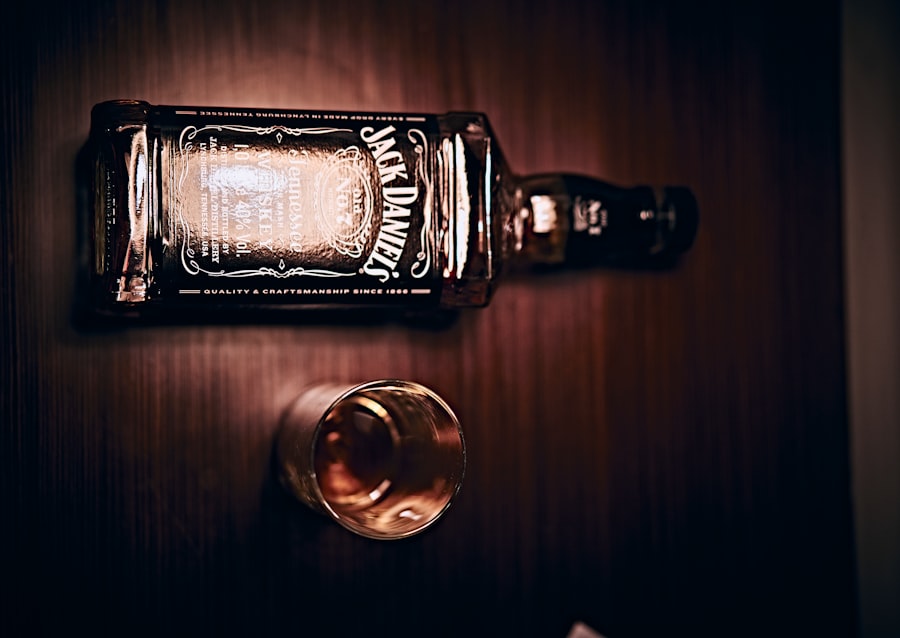
Time is perhaps the most critical element in whisky aging; it is during this period that the spirit undergoes profound changes that shape its character. As whisky ages, it interacts with the barrel and its environment, leading to chemical reactions that develop flavors and aromas. The impact of time can vary significantly depending on factors such as barrel size, wood type, and climate conditions.
For instance, smaller barrels have a higher surface area-to-volume ratio, allowing for more rapid extraction of flavors from the wood. However, aging whisky is not simply about extending time; it requires careful monitoring to ensure optimal maturation. Over-aging can lead to undesirable characteristics such as excessive tannins or an overly woody taste that masks the spirit’s inherent qualities.
Distilleries often conduct regular tastings throughout the aging process to determine when a whisky has reached its peak flavor profile. This ongoing evaluation allows producers to make informed decisions about when to bottle their spirits.
Innovations in Whisky Aging Techniques
In recent years, innovations in whisky aging techniques have emerged as producers seek new ways to enhance flavor profiles and streamline production processes. One notable trend is the use of alternative cask finishes, where whiskies are transferred into barrels previously used for other spirits or wines—such as rum or port—for a secondary maturation period. This practice introduces unique flavors that would not be present in traditional aging methods.
Additionally, some distilleries are experimenting with accelerated aging techniques that utilize technology to mimic years of maturation in a matter of weeks or months. Methods such as ultrasonic waves or controlled temperature environments aim to enhance wood interaction without compromising quality. While these innovations offer exciting possibilities for flavor development and efficiency, they also raise questions about authenticity and traditional craftsmanship within the industry.
Understanding the Maturation Process
The maturation process is a multifaceted journey that encompasses various stages of chemical transformation within whisky as it ages in barrels. Initially, fresh distillate enters the barrel with high levels of volatile compounds that can impart harsh flavors if not managed properly over time. As whisky ages, these volatile compounds gradually dissipate while others are absorbed from the wood or formed through chemical reactions.
During maturation, several key processes occur: extraction from wood (where compounds like vanillin and tannins are absorbed), evaporation (where lighter alcohols escape), oxidation (which softens flavors), and concentration (as water evaporates). Each stage contributes uniquely to developing flavor complexity while also influencing mouthfeel and aroma intensity. Understanding these processes allows distillers to make informed decisions about aging times and conditions tailored specifically for their desired outcomes.
The Art of Bottling Whisky
Bottling whisky is an essential final step in the production process that requires careful consideration to preserve quality while presenting an appealing product to consumers. Before bottling occurs, whiskies may undergo filtration or dilution processes aimed at achieving desired clarity or alcohol content levels—typically around 40% ABV for most commercial releases. The choice of bottle design also plays a significant role in branding; unique shapes or labels can help distinguish products on crowded shelves while conveying messages about heritage or craftsmanship.
Furthermore, packaging materials must be selected thoughtfully—glass bottles protect against light exposure while ensuring an aesthetically pleasing presentation that reflects brand identity.
Exploring the Effects of Different Barrels on Whisky Aging
The effects of different barrels on whisky aging are profound and varied; each type imparts distinct characteristics based on its previous contents and treatment methods employed during construction. For example, ex-bourbon barrels are known for imparting sweet vanilla notes due to their charred interiors while sherry casks contribute rich fruitiness alongside nutty undertones. Beyond traditional cask types like bourbon or sherry barrels lies an exciting world where distilleries experiment with unconventional finishes—such as wine casks from Bordeaux or rum barrels from Caribbean islands—to create innovative flavor profiles that challenge expectations within established categories.
These explorations highlight how diverse barrel choices can lead to unexpected yet delightful results when crafting unique expressions.
The Future of Whisky Aging: Trends and Developments
As consumer preferences evolve alongside advancements in technology and production methods within the spirits industry, so too does the future landscape for whisky aging practices. One emerging trend involves sustainability initiatives aimed at reducing environmental impact throughout production processes—from sourcing materials responsibly to implementing energy-efficient practices during distillation. Additionally, there is growing interest among consumers regarding transparency about sourcing ingredients or production methods used by distilleries—leading many brands toward greater openness about their practices while fostering connections between producers and enthusiasts alike through storytelling around heritage or craftsmanship narratives.
In conclusion, whisky aging remains an intricate dance between tradition and innovation—a journey shaped by time spent within barrels where flavors develop through interactions with wood while influenced by climate conditions surrounding maturation sites across regions worldwide—ultimately culminating in bottles filled with stories waiting to be shared among enthusiasts eager for exploration into this timeless spirit’s depths.
The aging process of whisky is a crucial factor that significantly influences its flavor and character. As whisky matures in barrels, it undergoes various chemical changes that enhance its complexity. For a deeper understanding of how different distilleries approach whisky production and aging, you can explore the article on Highland Park whisky, which delves into the unique characteristics imparted by their aging methods. Check it out here: Highland Park Whisky.
FAQs
What is the whisky aging process?
The whisky aging process involves storing distilled whisky in wooden barrels, typically oak, for a period of time to develop its flavor, aroma, and color. During aging, the whisky interacts with the wood and undergoes chemical changes that enhance its complexity.
Why is whisky aged in oak barrels?
Oak barrels are used because they are durable, porous, and impart desirable flavors such as vanilla, caramel, and spice to the whisky. The wood also allows for controlled oxidation and evaporation, which contribute to the maturation process.
How long is whisky typically aged?
Whisky aging periods vary widely, commonly ranging from 3 to 12 years or more. The minimum aging period for whisky to be legally called whisky in many countries is 3 years. Some premium whiskies are aged for several decades.
Does whisky continue to age after bottling?
No, whisky does not age or mature once it is bottled. The aging process only occurs while the whisky is in the barrel. After bottling, the flavor profile remains stable.
How does aging affect the flavor of whisky?
Aging mellows the harshness of the raw spirit and allows it to absorb flavors from the wood, such as vanilla, caramel, and tannins. It also develops complexity through chemical reactions like oxidation and evaporation of volatile compounds.
What factors influence the whisky aging process?
Factors include the type of wood used for barrels, barrel size, climate and temperature, humidity, and the length of aging. Each factor affects how the whisky interacts with the wood and matures over time.
Can whisky be aged too long?
Yes, if aged too long, whisky can become overly woody, bitter, or lose its balance. The optimal aging period depends on the whisky style, barrel type, and environmental conditions.
What is the difference between aging and maturation in whisky?
Aging refers to the time whisky spends in barrels, while maturation encompasses the chemical and physical changes that occur during aging, resulting in the development of flavor and aroma.
Are all whiskies aged?
Most whiskies are aged to improve flavor, but some types, like certain white or new-make spirits, may be unaged or minimally aged. However, legally recognized whisky typically requires a minimum aging period.
How does climate affect whisky aging?
Warmer climates accelerate the aging process due to increased interaction between whisky and wood, while cooler climates slow it down. Humidity also affects evaporation rates and flavor development.