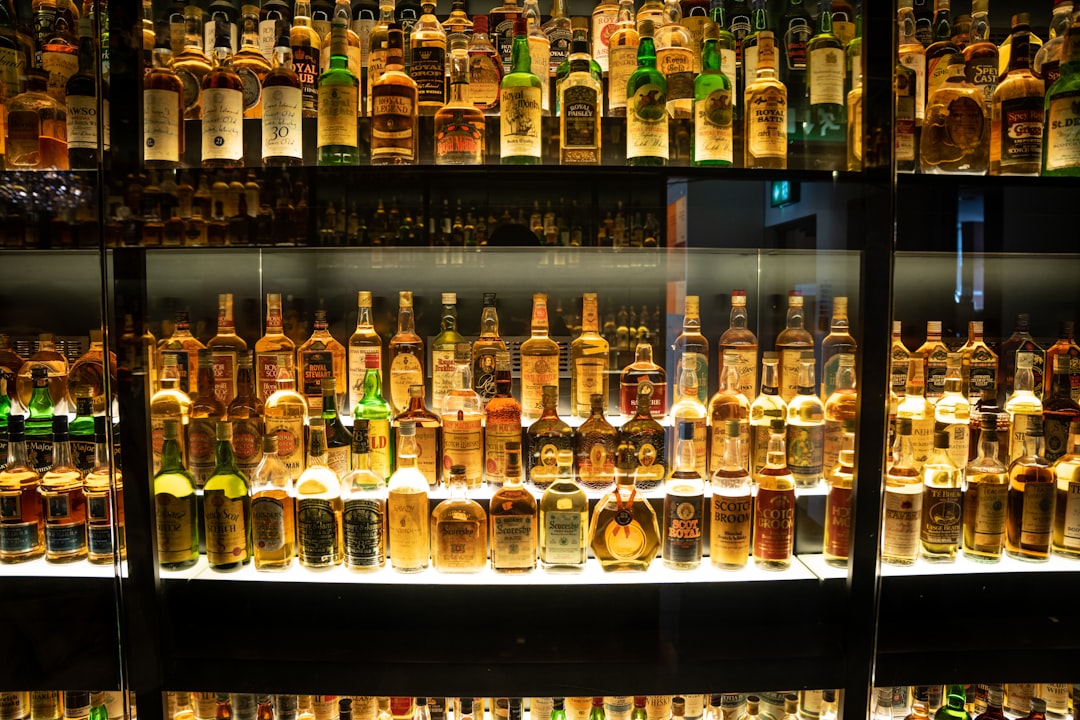
Scottish whisky, commonly known as Scotch, is a distilled alcoholic beverage produced in Scotland according to strict legal regulations. The country’s whisky distilleries operate across five distinct regions: the Highlands, Lowlands, Speyside, Islay, and Campbeltown, each producing whiskies with characteristic flavor profiles influenced by local climate, water sources, and production methods. The whisky production process follows established steps that have been refined over approximately 500 years of Scottish distilling history.
These include malting (germinating and drying barley), mashing (mixing ground malt with hot water), fermentation (converting sugars to alcohol using yeast), distillation (typically performed twice in copper pot stills), and maturation (aging in oak barrels for a minimum of three years as required by law). Scottish whisky distilleries serve multiple functions beyond production. Approximately 2 million people visit Scottish distilleries annually, contributing significantly to Scotland’s tourism economy.
Most operational distilleries offer guided tours that demonstrate production processes, provide tastings of their products, and educate visitors about whisky history and regional variations. These facilities preserve traditional craftsmanship while incorporating modern quality control and efficiency measures. The global Scotch whisky market was valued at approximately £5.5 billion in exports in 2022, making it one of Scotland’s most important industries.
Distilleries continue to innovate through experimental cask finishes, new product lines, and sustainable production practices while maintaining adherence to traditional methods and legal requirements that define authentic Scotch whisky.
Key Takeaways
- Scottish whisky distilleries are spread across diverse regions, each with unique characteristics and flavors.
- Speyside is renowned for its high concentration of top-quality distilleries producing smooth whiskies.
- Islay whiskies are famous for their distinctive peaty and smoky profiles.
- The Highlands blend traditional methods with innovative techniques to create varied whisky styles.
- Many distilleries offer tours and tastings, showcasing Scotland’s rich whisky heritage and diversity.
The History of Whisky in Scotland
The history of whisky in Scotland is a narrative woven through centuries of tradition and evolution. The earliest records of whisky production date back to the 15th century, with references found in historical texts that suggest monks were among the first to distill spirits. The word “whisky” itself is derived from the Gaelic term “uisge beatha,” meaning “water of life.” This etymology underscores the reverence with which whisky has been regarded throughout Scottish history.
By the 17th century, whisky had become a popular drink among the Scottish populace, leading to the establishment of numerous distilleries. The 18th century marked a pivotal moment in whisky’s history with the introduction of the Excise Act of 1823. This legislation aimed to regulate and tax whisky production, effectively legitimizing many distilleries that had previously operated illegally.
The act led to a surge in legal distillation and contributed to the growth of the industry. Notable figures such as John Walker and Andrew Usher emerged during this period, pioneering blended whiskies that would eventually gain international acclaim. The subsequent industrial revolution further transformed whisky production, introducing new technologies and methods that enhanced efficiency while maintaining quality.
The Speyside Region: Home to Some of the Best Distilleries
Speyside is often regarded as the heart of Scotch whisky production, home to over half of Scotland’s distilleries. Nestled within the Grampian Mountains, this region boasts a unique microclimate that is ideal for whisky production. The abundance of pure water from the River Spey and its tributaries plays a crucial role in creating the distinct flavors associated with Speyside whiskies.
The region is renowned for its smooth and fruity profiles, characterized by notes of apple, pear, honey, and malt. Among the most celebrated distilleries in Speyside is Glenfiddich, established in 1887 by William Grant. Glenfiddich has become synonymous with single malt Scotch and is one of the few distilleries still owned by its founding family.
Visitors to Glenfiddich can explore its extensive visitor center and enjoy guided tours that delve into the history and craftsmanship behind their whiskies. Another notable distillery is The Macallan, known for its rich sherried expressions and commitment to quality. The Macallan’s state-of-the-art distillery, opened in 2018, showcases a blend of traditional techniques and modern architecture, reflecting the brand’s dedication to innovation while honoring its heritage.
The Highland Region: Where Tradition Meets Innovation
The Highland region is vast and diverse, encompassing a wide range of landscapes from rugged mountains to serene lochs. This geographical variety contributes to an equally diverse array of whisky styles produced within its borders. Highland whiskies are often characterized by their complexity and depth, with flavor profiles ranging from floral and fruity to rich and peaty.
The region is home to some iconic distilleries that have embraced both tradition and innovation. One such distillery is Oban, which has been producing whisky since 1794. Oban’s coastal location imparts a maritime influence on its whiskies, resulting in a unique balance of sweetness and brine.
The distillery’s small size allows for meticulous attention to detail in every batch produced. In contrast, Dalmore Distillery exemplifies Highland innovation with its use of bespoke cask maturation techniques. Known for its rich and robust whiskies, Dalmore often utilizes sherry casks sourced from Jerez, Spain, which impart deep flavors of chocolate and spice.
The Islay Region: Known for its Peaty and Smoky Whiskies
| Distillery Name | Region | Year Established | Annual Production (Liters) | Type of Whisky | Notable Expression |
|---|---|---|---|---|---|
| Glenfiddich | Speyside | 1887 | 13,000,000 | Single Malt | Glenfiddich 12 Year Old |
| Lagavulin | Islay | 1816 | 1,800,000 | Single Malt | Lagavulin 16 Year Old |
| Macallan | Speyside | 1824 | 7,000,000 | Single Malt | Macallan Sherry Oak 12 Year Old |
| Talisker | Island (Skye) | 1830 | 1,200,000 | Single Malt | Talisker 10 Year Old |
| Highland Park | Island (Orkney) | 1798 | 1,000,000 | Single Malt | Highland Park 12 Year Old |
| Ardbeg | Islay | 1815 | 1,000,000 | Single Malt | Ardbeg 10 Year Old |
| Auchentoshan | Lowland | 1823 | 1,500,000 | Single Malt | Auchentoshan Three Wood |
Islay is perhaps the most famous whisky-producing region in Scotland, renowned for its bold and distinctive peaty whiskies. The island’s unique terroir—characterized by its coastal winds, abundant peat bogs, and saline air—contributes significantly to the flavor profiles of Islay whiskies. The peaty character is often accompanied by notes of smoke, brine, and medicinal qualities, making Islay whiskies some of the most recognizable in the world.
Laphroaig is one of Islay’s most iconic distilleries, celebrated for its intensely peaty expressions. Founded in 1815, Laphroaig has garnered a loyal following among whisky enthusiasts who appreciate its bold flavors and complex aromas. The distillery offers tours that allow visitors to experience the production process firsthand while sampling various expressions straight from the cask.
Another notable Islay distillery is Ardbeg, known for its commitment to traditional methods and innovative experimentation. Ardbeg’s whiskies often feature a harmonious balance of smoke and sweetness, showcasing the versatility of peat as an ingredient.
The Lowland Region: Producing Light and Floral Whiskies
In contrast to Islay’s robust offerings, the Lowland region is known for producing lighter and more delicate whiskies that often exhibit floral and grassy notes. This region has historically been associated with gentle spirits that are approachable for both novice drinkers and seasoned connoisseurs alike. Lowland whiskies are typically triple distilled, a practice that contributes to their smoothness and elegance.
One prominent distillery in this region is Auchentoshan, which has been producing whisky since 1823. Auchentoshan’s triple distillation process results in a clean and crisp spirit that showcases bright citrus flavors alongside subtle hints of vanilla and almond. Visitors to Auchentoshan can enjoy guided tours that highlight the intricacies of their production methods while sampling a range of expressions from their core lineup.
Another notable Lowland distillery is Glenkinchie, often referred to as “the Edinburgh malt.” Glenkinchie’s whiskies are characterized by their light body and floral notes, making them an excellent introduction for those new to Scotch.
The Campbeltown Region: Once Home to Many Distilleries
Campbeltown was once considered the whisky capital of Scotland during the late 19th century when it boasted over 30 distilleries. However, due to various economic challenges and changing market dynamics, many distilleries closed their doors over the years. Today, only a handful remain operational, but they continue to produce exceptional whiskies that reflect Campbeltown’s storied past.
Springbank Distillery is one of the few remaining distilleries in Campbeltown that has maintained its traditional methods throughout its history. Established in 1828, Springbank produces a range of single malts that showcase varying levels of peatiness while retaining a distinctive maritime character. The distillery offers comprehensive tours that provide insight into its unique production process, including traditional floor malting and hand bottling techniques.
Another notable Campbeltown distillery is Glen Scotia, which has gained recognition for its rich and complex whiskies that often feature notes of brine and spice.
The Islands: Distilleries with Unique Maritime Influences
The Islands encompass a diverse group of islands off Scotland’s west coast, each contributing its own unique character to whisky production. Distilleries in this region often draw inspiration from their maritime surroundings, resulting in whiskies that reflect both coastal influences and local traditions. The flavor profiles can vary widely among these islands, ranging from light and floral to rich and peaty.
Talisker Distillery on the Isle of Skye is perhaps the most famous distillery in this region. Established in 1830, Talisker produces whiskies known for their maritime character—often described as having a briny quality complemented by peppery spice and smoky undertones. Visitors can tour the distillery while enjoying breathtaking views of Loch Harport and the surrounding landscape.
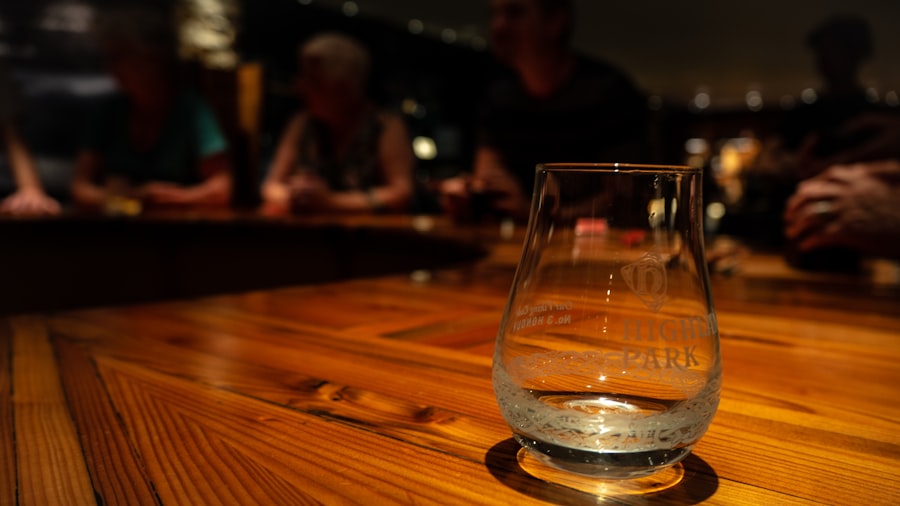
Another notable island distillery is Highland Park on Orkney, which combines traditional methods with innovative practices to create whiskies that are both complex and approachable. Highland Park’s expressions often feature heather honey sweetness balanced with subtle peat smoke.
The Best Distilleries for Whisky Tours and Tastings
For those looking to immerse themselves in the world of Scotch whisky, several distilleries stand out as exceptional destinations for tours and tastings. These establishments not only offer insight into the production process but also provide opportunities to sample a wide range of expressions directly from the source. Glenfiddich Distillery in Speyside is renowned for its comprehensive visitor experience.
With multiple tour options available—ranging from basic introductions to exclusive tastings—visitors can explore various aspects of whisky production while enjoying stunning views of the surrounding countryside. Similarly, The Macallan offers an immersive experience at its state-of-the-art visitor center where guests can learn about their innovative approach to whisky-making while sampling some of their finest expressions. In Islay, Laphroaig Distillery provides an unforgettable experience for peat lovers.
Their tours include tastings directly from cask samples as well as opportunities to explore their picturesque grounds overlooking the sea. Additionally, Oban Distillery offers guided tours that highlight both its historical significance and modern production techniques while allowing visitors to sample their signature expressions.
The Most Award-Winning Whisky Distilleries in Scotland
Scotland’s whisky industry is replete with accolades and awards recognizing excellence in craftsmanship and innovation. Several distilleries have consistently garnered prestigious honors at international spirits competitions, solidifying their reputations as leaders in the field. The Macallan stands out as one of Scotland’s most awarded distilleries; its commitment to quality has earned it numerous accolades over the years—including multiple gold medals at competitions such as the International Wine & Spirit Competition (IWSC) and San Francisco World Spirits Competition (SFWSC).
Glenfiddich also boasts an impressive collection of awards; it was named “Best Distillery” at various events due to its consistent quality across different expressions. In Islay, Ardbeg has gained recognition for its innovative releases—often winning awards for both core range offerings as well as limited editions—while Laphroaig continues to be celebrated for its bold flavors that resonate with enthusiasts worldwide.
Exploring the Diversity of Scottish Whisky Distilleries
The landscape of Scottish whisky distilleries is as varied as Scotland itself—each region contributing unique characteristics shaped by geography, climate, tradition, and innovation. From Speyside’s fruity elegance to Islay’s bold smokiness or Lowland’s floral delicacy—there exists an extraordinary diversity within this beloved spirit that captivates enthusiasts around the globe. Visiting these distilleries offers not only an opportunity to taste exceptional whiskies but also a chance to connect with Scotland’s rich cultural heritage—a journey through time where craftsmanship meets artistry at every turn.
Whether one seeks out iconic brands or hidden gems tucked away in remote corners—each visit promises an unforgettable experience steeped in history and passion for one of Scotland’s greatest treasures: whisky.
If you’re interested in exploring the fascinating world of whisky distilleries in Scotland, you might find it intriguing to read about the various ways to enjoy this beloved spirit. For tips on how to properly savor whisky, check out this article on how to drink whisky. It provides valuable insights that can enhance your tasting experience, whether you’re visiting a distillery or enjoying a dram at home.
FAQs
What is a whisky distillery?
A whisky distillery is a facility where whisky is produced through the processes of fermentation, distillation, and maturation. It typically includes equipment such as mash tuns, washbacks, pot stills, and warehouses for aging the whisky.
How many whisky distilleries are there in Scotland?
As of recent counts, Scotland has over 130 licensed whisky distilleries, making it one of the largest producers of whisky in the world.
What are the main whisky-producing regions in Scotland?
The main whisky-producing regions in Scotland are Speyside, Highlands, Islay, Lowlands, Campbeltown, and the Islands. Each region is known for distinct styles and flavors of whisky.
What types of whisky are produced in Scotland?
Scotland primarily produces single malt whisky, single grain whisky, blended malt whisky, blended grain whisky, and blended Scotch whisky. Single malt whisky is made from malted barley at a single distillery, while blended whiskies combine different types.
How long must Scotch whisky be aged?
By law, Scotch whisky must be aged in oak casks for a minimum of three years before it can be legally sold as Scotch.
Can visitors tour whisky distilleries in Scotland?
Yes, many Scottish whisky distilleries offer guided tours and tastings to visitors, providing insights into the production process and the history of the distillery.
What is the significance of peat in Scottish whisky?
Peat is used in some Scottish whisky production to dry malted barley, imparting a distinctive smoky flavor to the whisky. This is especially common in Islay whiskies.
Are all Scottish whiskies made from barley?
Most Scotch whiskies are made primarily from malted barley, especially single malts. However, grain whiskies can include other grains such as wheat or corn.
What is the difference between single malt and blended Scotch whisky?
Single malt Scotch whisky is made from malted barley at a single distillery, while blended Scotch whisky is a mix of malt and grain whiskies from multiple distilleries.
How does the climate in Scotland affect whisky production?
Scotland’s cool and humid climate is ideal for whisky maturation, allowing the spirit to age slowly and develop complex flavors over time.