
The origins of single malt whisky can be traced back to the early medieval period in Scotland, where the art of distillation began to take shape. The first documented mention of whisky dates back to 1494, when a record from the Abbey of Lindores in Fife noted that “eight bolls of malt” were given to a friar named John Cor, who was likely distilling whisky for the monks. This early form of whisky was rudimentary, often produced in small quantities and consumed locally.
The process evolved over the centuries, with the introduction of pot stills in the 18th century, which allowed for a more refined spirit. By the late 1700s, whisky production had become more organized, leading to the establishment of licensed distilleries. The 19th century marked a significant turning point in the history of single malt whisky.
The introduction of column stills allowed for continuous distillation, resulting in a higher alcohol content and a more consistent product. However, traditional pot stills remained the preferred method for producing single malts, as they imparted unique flavors and character to the whisky. The establishment of the Scotch Whisky Association in 1908 further solidified the identity of single malt whisky, setting regulations that defined what could be labeled as Scotch.
This period also saw the rise of iconic brands such as Glenfiddich and Macallan, which helped to popularize single malt whisky beyond Scotland’s borders.
Key Takeaways
- Single malt whisky’s unique character is shaped by its history, distillation, terroir, and barrel aging.
- Tasting single malt whisky involves appreciating its complex flavors and aromas developed through careful aging.
- Collecting and tourism around single malt whisky have grown, reflecting its cultural and economic significance globally.
- The ritual of enjoying single malt whisky is deeply rooted in tradition and cultural practices.
- Innovations and market trends are shaping the future of single malt whisky worldwide.
The Distillation Process
The distillation process is fundamental to the creation of single malt whisky, transforming fermented grain mash into a spirit that embodies the essence of its ingredients. The process begins with mashing, where malted barley is mixed with hot water to extract fermentable sugars. This mixture, known as wort, is then cooled and yeast is added, initiating fermentation.
During fermentation, yeast converts sugars into alcohol and carbon dioxide, resulting in a low-alcohol liquid called “wash,” typically around 6-8% alcohol by volume (ABV). Once fermentation is complete, the wash undergoes distillation in pot stills. The first distillation occurs in a wash still, where the wash is heated, and alcohol vapors rise through the neck of the still.
These vapors are collected and condensed back into liquid form, producing a spirit known as “low wines,” which is around 20-25% ABV. The low wines are then distilled a second time in a spirit still, where the distiller carefully separates the “heart” (the desirable middle cut) from the “heads” (the initial distillate) and “tails” (the final distillate). This meticulous process ensures that only the purest and most flavorful spirit is retained for aging.
The Influence of Terroir on Single Malt Whisky
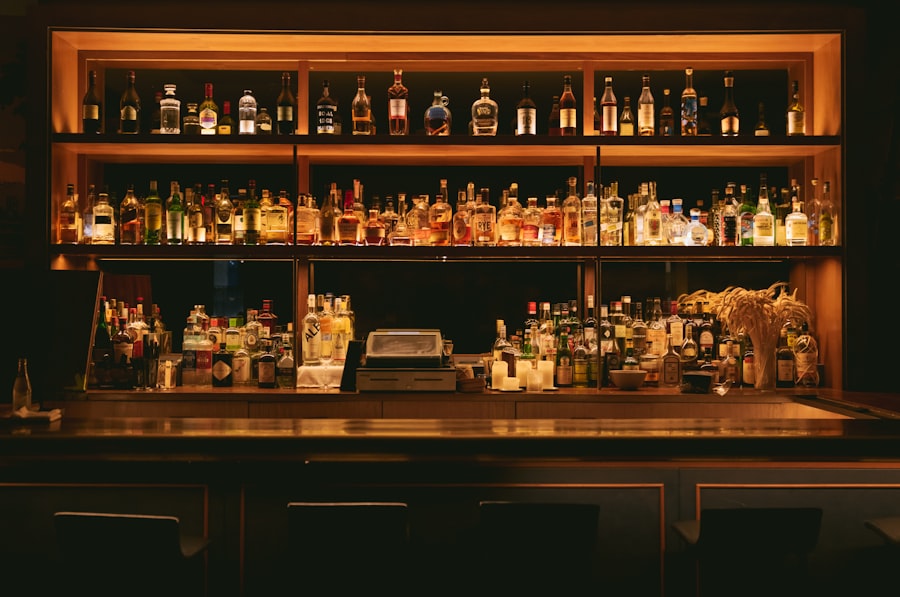
Terroir, a term often associated with wine, refers to the unique environmental factors that influence the characteristics of a product. In the context of single malt whisky, terroir encompasses various elements such as soil composition, climate, and water source. Each distillery’s location contributes distinct flavors and aromas to its whisky, making terroir an essential aspect of its identity.
For instance, whiskies produced in Islay are renowned for their peaty and smoky profiles, largely due to the region’s abundant peat bogs and maritime climate. Water quality is another critical factor influenced by terroir. Many distilleries source their water from local springs or rivers, which can impart unique mineral content to the whisky.
For example, the soft water from the River Spey is known for its purity and low mineral content, contributing to the smoothness of Speyside whiskies. Additionally, local barley varieties can also affect flavor profiles; some distilleries use traditional strains that have been cultivated for generations, enhancing their connection to the land.
The Role of Barrels in Single Malt Whisky Aging
The aging process is vital in developing the complexity and character of single malt whisky, with barrels playing a crucial role in this transformation. Most single malts are aged in oak barrels, which allow for interaction between the spirit and wood. This interaction leads to various chemical reactions that enhance flavor and aroma profiles over time.
The type of barrel used can significantly influence the final product; for instance, American oak barrels impart sweeter vanilla and caramel notes due to their higher lactone content, while European oak barrels often contribute spicier and fruitier characteristics. The length of aging also affects whisky’s profile. While some distilleries may release expressions aged for just three years, others may opt for longer maturation periods that can extend to several decades.
As whisky ages, it undergoes evaporation—a phenomenon known as the “angel’s share.” This loss of volume concentrates flavors within the barrel while allowing oxygen to interact with the spirit, further enhancing its complexity. The climate in which the whisky is aged also plays a role; warmer temperatures can accelerate maturation, while cooler climates may slow it down.
The Art of Tasting Single Malt Whisky
| Metric | Description | Typical Range | Notes |
|---|---|---|---|
| Alcohol by Volume (ABV) | Percentage of alcohol content in the whisky | 40% – 60% | Most single malts are bottled at 40-46%, cask strength can be higher |
| Age | Number of years the whisky has been matured | 3 – 30+ years | Older whiskies tend to be smoother and more complex |
| Region | Geographical area of production in Scotland | Highland, Speyside, Islay, Lowland, Campbeltown, Islands | Each region has distinct flavor profiles |
| Peat Level (PPM) | Phenol parts per million, indicating smokiness | 0 – 50+ PPM | Higher PPM means smokier flavor, Islay whiskies often have high PPM |
| Distillation | Number of distillations | Typically 2 | Some distilleries use triple distillation for smoother spirit |
| Cask Type | Type of wood cask used for maturation | Ex-bourbon, sherry, port, wine casks | Cask type influences flavor and color |
| Flavor Notes | Common tasting notes | Fruity, smoky, spicy, floral, vanilla, caramel | Varies widely by distillery and maturation |
Tasting single malt whisky is an art form that engages multiple senses and requires practice to fully appreciate its nuances. The first step in tasting is observation; examining the color can provide insights into its age and barrel influence. A deeper amber hue often indicates longer aging or sherry cask maturation, while lighter shades may suggest younger whiskies or those aged in ex-bourbon barrels.
Next comes the nose—an essential aspect of tasting whisky. Swirling the glass gently allows volatile compounds to escape, revealing a complex bouquet of aromas. Tasting notes can range from fruity and floral to earthy and smoky, depending on various factors such as grain type and maturation conditions.
After savoring the aroma, taking a small sip allows one to experience the palate; here, flavors unfold on the tongue, revealing layers of sweetness, spice, or bitterness. Finally, assessing the finish—the lingering aftertaste—provides further insight into the whisky’s quality and complexity.
The Appeal of Collecting Single Malt Whisky
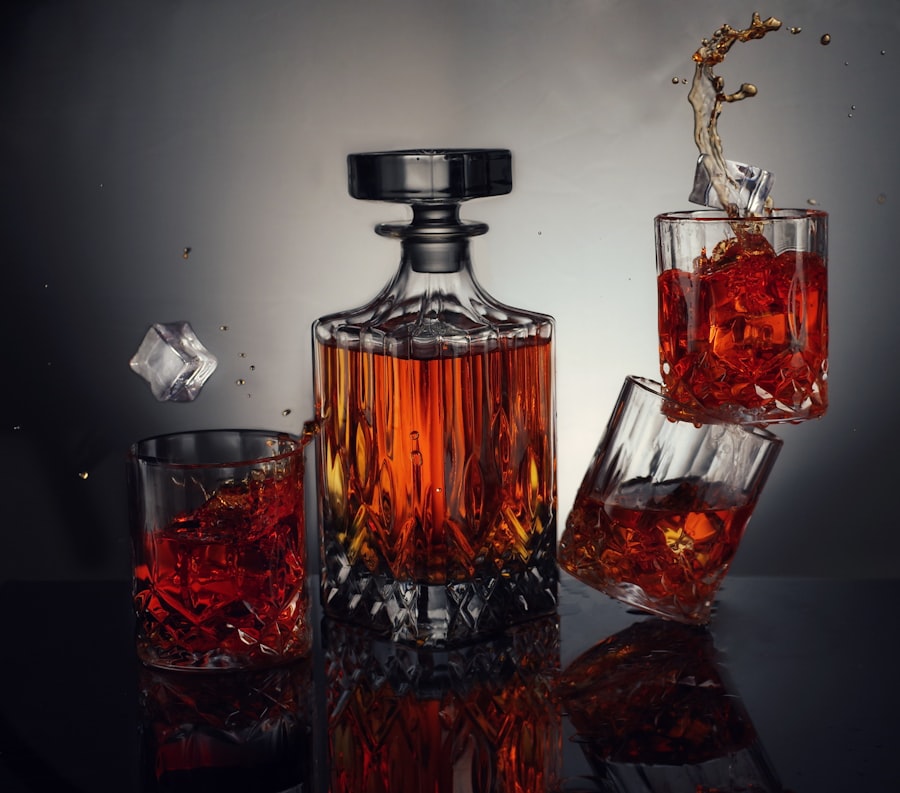
Collecting single malt whisky has become an increasingly popular hobby among enthusiasts and investors alike. The allure lies not only in acquiring rare bottles but also in exploring different expressions from various distilleries around the world. Many collectors are drawn to limited editions or special releases that showcase unique cask finishes or innovative production techniques.
These bottles often appreciate in value over time, making them attractive investments. Moreover, collecting single malt whisky offers an opportunity for personal expression and storytelling. Each bottle represents a moment in time or a specific experience—whether it’s a distillery visit or a memorable tasting event.
Collectors often take pride in curating their collections based on themes such as regional diversity or age statements. Additionally, sharing these collections with fellow enthusiasts fosters community engagement and camaraderie among whisky lovers.
The Global Market for Single Malt Whisky
The global market for single malt whisky has experienced remarkable growth over recent years, driven by increasing consumer interest and demand for premium spirits. Countries such as Japan have emerged as significant players in this market, producing high-quality whiskies that rival traditional Scotch brands. Japanese distilleries like Yamazaki and Nikka have garnered international acclaim for their craftsmanship and unique flavor profiles.
In addition to Japan, emerging markets in Asia and North America have contributed to this growth trend. As consumers become more educated about whisky production and tasting techniques, they seek out premium offerings that reflect authenticity and heritage. This shift has prompted established brands to expand their portfolios with innovative expressions while also catering to new markets through targeted marketing strategies.
The Rise of Single Malt Whisky Tourism
Single malt whisky tourism has gained traction as enthusiasts seek immersive experiences that deepen their appreciation for this storied spirit. Distillery tours have become popular attractions in regions like Scotland and Ireland, where visitors can witness firsthand the intricate processes involved in whisky production. Many distilleries offer guided tastings that allow guests to sample various expressions while learning about their history and craftsmanship.
In addition to traditional tours, whisky festivals have emerged as vibrant celebrations of this beloved spirit. Events such as the Islay Festival of Music and Malt attract thousands of visitors each year who come to enjoy tastings, masterclasses, and live music performances amidst stunning landscapes. These experiences not only promote local economies but also foster connections between producers and consumers.
The Cultural Significance of Single Malt Whisky
Single malt whisky holds deep cultural significance in many societies, particularly in Scotland where it is often regarded as a national treasure. It embodies centuries of tradition and craftsmanship passed down through generations of distillers who have honed their skills over time. Whisky serves as a symbol of hospitality; sharing a dram with friends or family is seen as an expression of warmth and camaraderie.
Moreover, single malt whisky has become intertwined with various cultural practices and celebrations. From Burns Night festivities honoring Scottish poet Robert Burns to traditional ceilidh dances accompanied by drams of whisky, it plays an integral role in social gatherings across Scotland and beyond. As global interest continues to grow, single malt whisky has transcended borders—becoming a cultural ambassador that connects people through shared experiences.
The Ritual of Enjoying Single Malt Whisky
The ritual of enjoying single malt whisky is steeped in tradition and personal preference. Many enthusiasts adhere to specific practices that enhance their tasting experience—whether it’s selecting a favorite glassware or choosing an ideal setting for savoring their dram. Some prefer neat pours that allow them to appreciate every nuance without dilution; others may opt for adding a splash of water or ice to unlock hidden flavors.
Creating an atmosphere conducive to enjoyment can elevate this ritual further—dim lighting paired with soft music can set the mood for relaxation while engaging with friends over shared bottles fosters connection and conversation. Ultimately, how one chooses to enjoy single malt whisky reflects individual tastes and values—making each experience unique.
The Future of Single Malt Whisky
As we look toward the future of single malt whisky, several trends are shaping its evolution within an ever-changing landscape. Sustainability has emerged as a critical focus area for many distilleries seeking to minimize their environmental impact through responsible sourcing practices and innovative production methods. From using renewable energy sources during distillation processes to implementing eco-friendly packaging solutions—distillers are increasingly prioritizing sustainability alongside quality.
Additionally, consumer preferences continue to evolve; younger generations are seeking diverse flavor profiles that challenge traditional norms while embracing experimentation with cask finishes or blending techniques from different regions worldwide. This shift presents opportunities for innovation within established brands while also paving the way for new entrants into this dynamic market landscape. In conclusion, single malt whisky remains an enduring symbol of craftsmanship rooted in history while adapting to contemporary tastes and values—a testament to its timeless appeal across cultures worldwide.
Single malt whisky is not only celebrated for its rich flavors and craftsmanship but also for its potential as an investment. Enthusiasts and collectors often seek out limited edition releases, which can appreciate significantly over time. For those interested in exploring the financial aspects of whisky collecting, a related article on investing can provide valuable insights. You can read more about this topic in the article on investing in limited edition whisky bottles.
FAQs
What is single malt whisky?
Single malt whisky is a type of whisky made from malted barley and produced at a single distillery. It is distilled in pot stills and typically aged in oak casks for a minimum period, which varies by country.
How is single malt whisky different from blended whisky?
Single malt whisky comes from one distillery and is made solely from malted barley, whereas blended whisky is a mix of malt and grain whiskies from multiple distilleries.
Where is single malt whisky traditionally produced?
Single malt whisky is traditionally associated with Scotland, but it is also produced in other countries such as Ireland, Japan, and the United States.
What does the aging process involve?
The aging process involves maturing the whisky in oak barrels for several years, which helps develop its flavor, aroma, and color. The minimum aging period for Scotch single malt whisky is three years.
What flavors can be expected in single malt whisky?
Flavors vary widely depending on the distillery, region, and aging process but can include notes of fruit, smoke, peat, vanilla, caramel, spices, and oak.
How should single malt whisky be served?
Single malt whisky can be enjoyed neat, with a splash of water, or over ice. Some enthusiasts prefer to taste it neat to fully appreciate its complex flavors.
What is the significance of the region in single malt whisky production?
Different regions, especially in Scotland, are known for distinct flavor profiles due to variations in water, climate, and production methods. For example, Islay whiskies are often smoky and peaty, while Speyside whiskies tend to be sweeter and fruitier.
Is single malt whisky always expensive?
Not necessarily. While some single malts are premium and costly due to age and rarity, there are many affordable options available that offer good quality and flavor.
Can single malt whisky be used in cocktails?
Yes, although single malt whisky is often enjoyed on its own, it can also be used in cocktails to add depth and complexity.
What does the term “cask strength” mean in single malt whisky?
Cask strength refers to whisky bottled directly from the barrel without dilution, resulting in a higher alcohol content and more intense flavor.