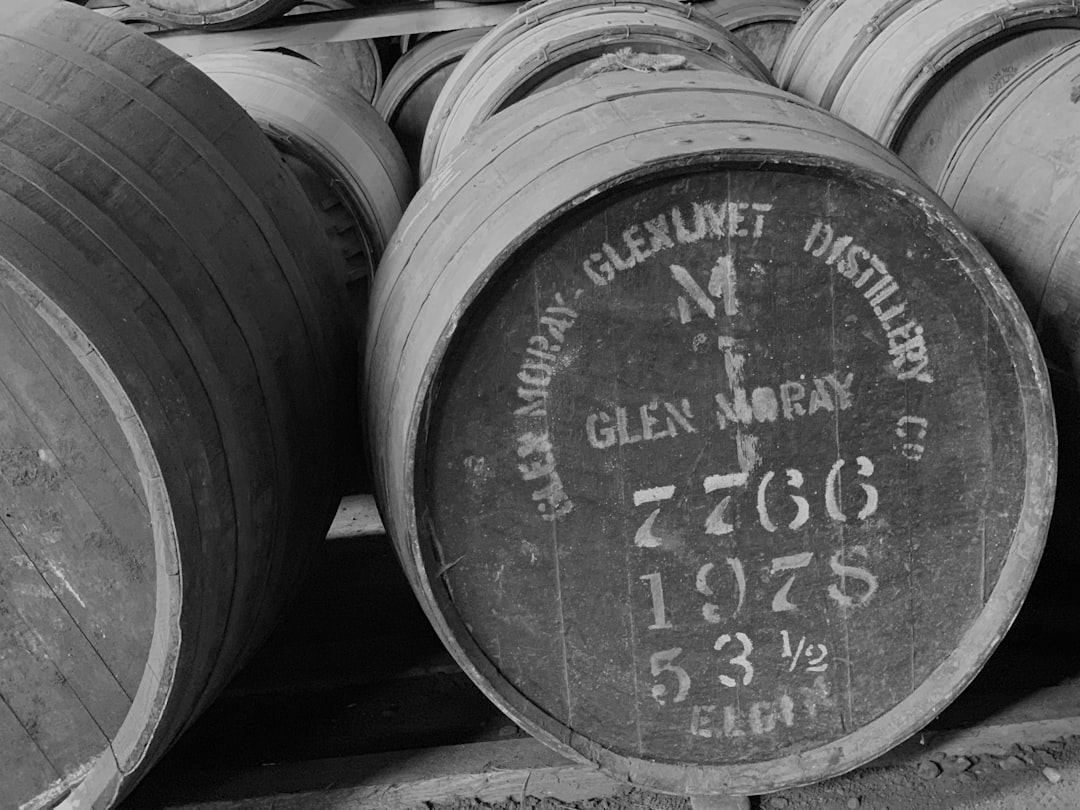
Scotland’s whisky industry is a cornerstone of the nation’s cultural heritage and economic landscape. Renowned globally for its distinctive flavors and craftsmanship, Scotch whisky is not merely a beverage; it embodies centuries of tradition, artistry, and regional diversity. The industry is characterized by its adherence to strict regulations that define what constitutes Scotch whisky, ensuring that each bottle reflects the unique characteristics of its origin.
From the rolling hills of Speyside to the rugged coastlines of Islay, each whisky-producing region offers a unique profile that captivates connoisseurs and casual drinkers alike. The significance of whisky in Scotland extends beyond mere production; it is interwoven with the identity of the Scottish people. The industry supports thousands of jobs, from distillery workers to farmers who supply barley, and contributes significantly to the national economy through exports.
As global interest in whisky continues to rise, Scotland’s distilleries are not only preserving traditional methods but also adapting to modern trends, ensuring that this age-old craft remains relevant in a rapidly changing world.
Key Takeaways
- Scotland’s whisky industry has a rich history and remains a key cultural and economic asset.
- The industry faces challenges such as climate change, resource management, and global competition.
- Innovations in production and sustainable practices are driving modernization and environmental responsibility.
- Effective marketing, branding, and government support enhance international trade and export growth.
- Whisky tourism and community collaboration contribute to the industry’s vibrant future and global appeal.
History of Scotland’s Whisky Industry
The history of Scotland’s whisky industry is rich and complex, tracing back to at least the 15th century. The earliest documented mention of whisky dates to 1494, when it was recorded that Friar John Cor, a monk at Lindores Abbey, was granted enough barley to produce “aqua vitae,” or water of life. This early spirit was likely rudimentary compared to today’s standards, but it laid the groundwork for what would become a thriving industry.
Over the centuries, whisky production evolved from small-scale, illicit distillation to a regulated industry with established distilleries. The 18th century marked a pivotal moment in the whisky industry with the introduction of the Excise Act of 1823, which legalized distillation and imposed a tax on production. This legislation encouraged many illicit distillers to register their operations legally, leading to an explosion of distilleries across Scotland.
The establishment of iconic brands such as Glenfiddich and Macallan during this period helped solidify Scotch whisky’s reputation on the global stage. By the late 19th century, whisky had become a symbol of Scottish pride and craftsmanship, with innovations in production techniques further enhancing its quality and appeal.
Challenges Faced by Scotland’s Whisky Industry
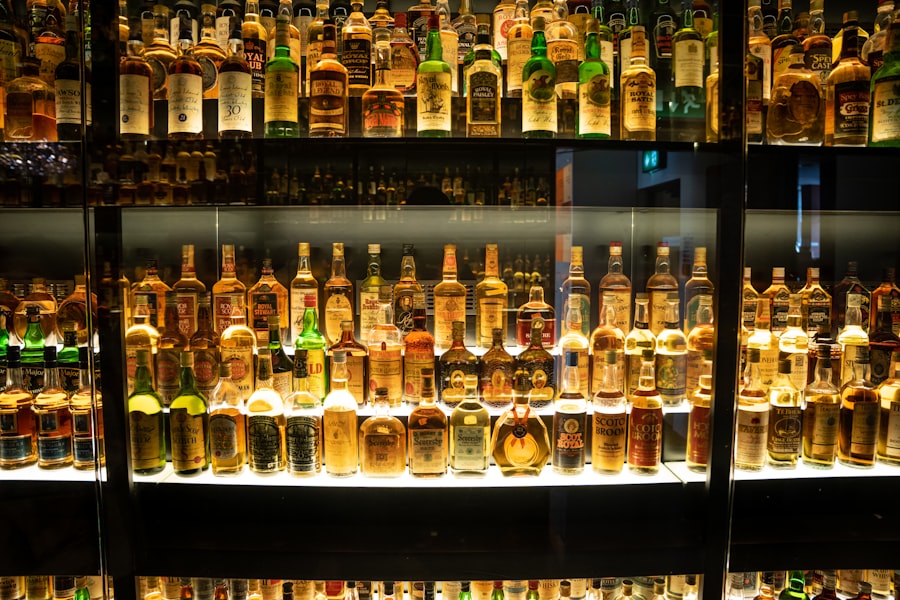
Despite its storied history and global acclaim, Scotland’s whisky industry faces several challenges that threaten its sustainability and growth. One significant issue is climate change, which poses risks to barley production and water sources essential for whisky making. Fluctuating weather patterns can lead to poor harvests or affect the quality of ingredients, ultimately impacting the flavor profiles of Scotch whisky.
Distilleries are increasingly aware of these risks and are beginning to implement strategies to mitigate their effects. Another challenge is the rising competition from other countries producing whisky. Nations such as Japan, India, and the United States have developed their own whisky industries, often drawing inspiration from traditional Scottish methods while introducing innovative practices.
This competition not only threatens market share but also challenges Scotch whisky’s status as the premier choice for consumers. As global tastes evolve, Scottish distilleries must adapt to maintain their relevance in an increasingly crowded marketplace.
Innovations in Whisky Production
Innovation within Scotland’s whisky industry is not merely a response to competition; it is also a testament to the creativity and adaptability of distillers. Many producers are experimenting with new techniques and ingredients to create unique flavor profiles that appeal to modern consumers. For instance, some distilleries are exploring the use of alternative grains beyond traditional barley, such as rye or wheat, which can impart different characteristics to the final product.
Additionally, advancements in technology have revolutionized aspects of production and aging processes. The use of precision fermentation techniques allows distillers to control variables more effectively, leading to consistent quality and flavor development. Moreover, innovations in barrel aging—such as using barrels previously containing wine or rum—have opened new avenues for flavor exploration.
These creative approaches not only enhance the diversity of offerings but also attract a younger demographic eager for novel experiences in their spirits.
Marketing and Branding Strategies
| Metric | Value | Unit | Year |
|---|---|---|---|
| Number of Distilleries | 150 | Count | 2023 |
| Annual Whisky Production | 1.2 | Billion Liters | 2023 |
| Export Volume | 1.1 | Billion Liters | 2023 |
| Export Value | 5.5 | Billion GBP | 2023 |
| Employment in Whisky Industry | 40,000 | People | 2023 |
| Number of Visitors to Distilleries | 2,000,000 | Visitors | 2023 |
| Average Age of Whisky Bottles Sold | 12 | Years | 2023 |
Effective marketing and branding are crucial for the success of any product, and Scotland’s whisky industry is no exception. Distilleries are increasingly focusing on storytelling as a means to connect with consumers on an emotional level. By highlighting their unique heritage, craftsmanship, and regional characteristics, brands can create a narrative that resonates with both local and international audiences.
For example, many distilleries emphasize their commitment to traditional methods while showcasing innovations that reflect modern sensibilities. Digital marketing has also transformed how whisky brands engage with consumers. Social media platforms provide an avenue for distilleries to share their stories visually and interactively, allowing them to reach a broader audience than ever before.
Virtual tastings and online events have gained popularity, especially during the COVID-19 pandemic, enabling brands to maintain connections with consumers despite physical distancing measures. This shift towards digital engagement has proven effective in attracting younger consumers who seek authentic experiences and connections with brands.
Sustainable Practices in Whisky Production
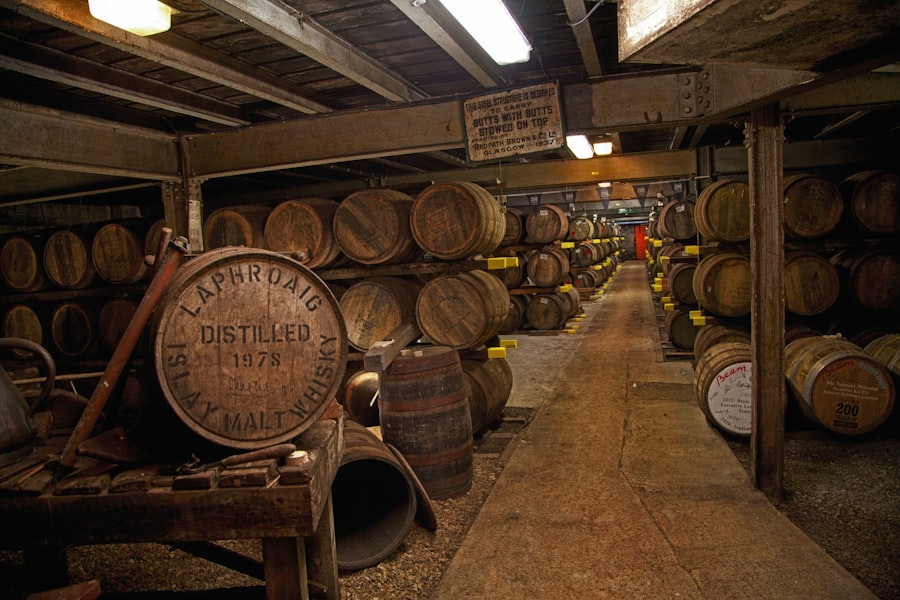
Sustainability has become a pressing concern across industries, and Scotland’s whisky sector is no exception. Many distilleries are taking proactive steps to minimize their environmental impact through sustainable practices. Water conservation is a primary focus; distilleries are implementing systems to recycle water used in production processes and reduce overall consumption.
This not only helps preserve local water resources but also enhances operational efficiency. Moreover, there is a growing emphasis on sourcing ingredients locally and sustainably. By partnering with local farmers for barley production or using renewable energy sources for distillation processes, distilleries can reduce their carbon footprint while supporting local economies.
Some brands have even begun experimenting with eco-friendly packaging solutions, such as biodegradable materials or refillable bottles, appealing to environmentally conscious consumers who prioritize sustainability in their purchasing decisions.
Government Support and Regulations
The Scottish government plays a vital role in supporting the whisky industry through regulations that ensure quality and authenticity while promoting growth and innovation. The Scotch Whisky Association (SWA) works closely with government bodies to establish guidelines that protect the integrity of Scotch whisky as a product designation. These regulations dictate everything from production methods to labeling requirements, ensuring that consumers receive a product that meets high standards.
In addition to regulatory support, government initiatives aimed at promoting exports have been instrumental in expanding Scotland’s whisky market globally. Trade agreements and promotional campaigns help distilleries reach new markets while maintaining compliance with international standards. Furthermore, funding programs for research and development encourage innovation within the industry, allowing distillers to explore new techniques and products that can enhance Scotland’s reputation as a leader in whisky production.
International Trade and Export Opportunities
Scotland’s whisky industry has long been a significant player in international trade, with exports reaching record levels in recent years. The global demand for Scotch whisky continues to grow, particularly in emerging markets such as China and India, where rising disposable incomes are driving interest in premium spirits. This trend presents lucrative opportunities for Scottish distilleries looking to expand their reach beyond traditional markets.
However, navigating international trade can be complex due to varying regulations and tariffs imposed by different countries. The SWA actively engages with policymakers to advocate for fair trade practices that benefit Scottish producers while ensuring compliance with international standards. Additionally, participation in global trade shows and exhibitions allows distilleries to showcase their products directly to potential buyers and distributors worldwide, fostering relationships that can lead to long-term partnerships.
Collaboration with Local Communities
Collaboration with local communities is an essential aspect of Scotland’s whisky industry that often goes unnoticed. Many distilleries recognize their role as community stakeholders and actively engage with local residents through various initiatives. This includes supporting local businesses by sourcing ingredients from nearby farms or collaborating with artisans for packaging design or promotional materials.
Furthermore, distilleries often contribute to community development through job creation and investment in local infrastructure. By providing employment opportunities and supporting local events or charities, they foster goodwill within their communities while enhancing their brand image. This symbiotic relationship not only strengthens community ties but also reinforces the idea that whisky production is deeply rooted in Scottish culture and identity.
Whisky Tourism and Experience
Whisky tourism has emerged as a significant sector within Scotland’s economy, attracting visitors from around the globe eager to experience the rich heritage of Scotch whisky firsthand. Distilleries have capitalized on this trend by offering immersive experiences that go beyond traditional tastings. Many now provide guided tours that delve into the history of their brand, the intricacies of the production process, and even opportunities for visitors to participate in blending sessions or barrel tastings.
The rise of whisky festivals further enhances this tourism experience by celebrating Scotland’s diverse offerings in one location. Events such as the Spirit of Speyside Festival or the Islay Festival of Music and Malt draw thousands of enthusiasts each year, creating vibrant atmospheres filled with music, food, and of course, exceptional whisky. These experiences not only boost local economies but also foster a deeper appreciation for the craftsmanship behind each bottle.
Future Outlook for Scotland’s Whisky Industry
Looking ahead, Scotland’s whisky industry appears poised for continued growth despite the challenges it faces. As consumer preferences evolve towards premium products with unique stories behind them, distilleries that embrace innovation while honoring tradition will likely thrive. The increasing focus on sustainability will also shape future practices within the industry as consumers demand more environmentally responsible options.
Moreover, as global markets continue to expand, opportunities for export will remain robust. Distilleries that successfully navigate international trade complexities while maintaining high-quality standards will find themselves well-positioned for success on the world stage. Ultimately, Scotland’s whisky industry stands at a crossroads where tradition meets modernity—a dynamic interplay that promises an exciting future for one of the nation’s most cherished legacies.
The whisky industry in Scotland is renowned for its rich heritage and diverse offerings, making it a fascinating subject for enthusiasts and newcomers alike. For those looking to deepen their understanding of how to enjoy this iconic spirit, a great resource is the article on how to drink whisky. This guide provides valuable insights into the various methods of tasting and appreciating whisky, enhancing the overall experience of this beloved beverage.
FAQs
What is the significance of the whisky industry in Scotland?
The whisky industry is a vital part of Scotland’s economy and cultural heritage. It contributes billions of pounds annually through production, exports, tourism, and employment.
How many distilleries are there in Scotland?
Scotland is home to over 130 malt and grain whisky distilleries, making it one of the largest whisky-producing countries in the world.
What are the main whisky-producing regions in Scotland?
The primary whisky-producing regions include Speyside, Highlands, Islay, Lowlands, Campbeltown, and the Islands, each known for distinct flavor profiles.
What types of Scotch whisky are produced in Scotland?
Scotland produces several types of Scotch whisky, including Single Malt, Single Grain, Blended Malt, Blended Grain, and Blended Scotch Whisky.
What regulations govern Scotch whisky production?
Scotch whisky production is regulated by UK law and EU regulations, which specify production methods, aging requirements (minimum three years in oak casks), and geographic origin.
How long must Scotch whisky be aged?
By law, Scotch whisky must be aged in oak casks for a minimum of three years before it can be legally sold as Scotch.
What role does whisky tourism play in Scotland?
Whisky tourism is a significant contributor to Scotland’s tourism industry, attracting millions of visitors annually to distilleries, whisky festivals, and heritage sites.
How important are exports to the Scottish whisky industry?
Exports are crucial, with Scotch whisky being one of Scotland’s top export products, reaching markets worldwide including the USA, France, and China.
What impact does the whisky industry have on local communities?
The industry supports local economies by providing jobs, promoting regional development, and preserving traditional skills and crafts.
Are there any environmental initiatives within the Scottish whisky industry?
Many distilleries are adopting sustainable practices such as reducing water usage, recycling waste, and using renewable energy to minimize environmental impact.