The history of whisky in Scotland is a rich tapestry woven through centuries of tradition, culture, and craftsmanship. The earliest records of whisky production date back to the 15th century, with the first written mention appearing in 1494, when King James IV granted a license to a monk named John Cor, allowing him to produce “aqua vitae,” or water of life. This early spirit was likely a rudimentary form of whisky, distilled from barley and aged in wooden casks.
Over the years, whisky evolved from a local cottage industry into a significant economic force, particularly in the Highlands and Lowlands, where the natural resources and climate were conducive to barley cultivation. As the centuries progressed, whisky production became more refined. The introduction of pot stills in the 17th century allowed for greater control over the distillation process, leading to higher quality spirits.
By the 18th century, whisky was firmly established as a popular drink among both locals and visitors. The Excise Act of 1823 marked a pivotal moment in whisky history, as it legalized distillation and imposed a tax on production. This legislation encouraged many illicit distillers to come out of hiding, leading to an explosion of legal distilleries across Scotland.
The 19th century saw the rise of blended whisky, which further popularized Scotch on a global scale, paving the way for the international whisky market we know today.
Key Takeaways
- Scotland’s whisky heritage is rich, with distinct regions each producing unique flavors.
- Visitors can enjoy immersive experiences through distillery tours, tastings, and whisky festivals.
- Whisky pairs exceptionally well with various foods, enhancing tasting experiences.
- The Whisky Trail offers a scenic journey combining historic castles, distilleries, and cultural sites.
- Sustainable whisky tourism is growing, promoting eco-friendly practices in distilleries and accommodations.
The Different Whisky Regions in Scotland
Scotland is home to several distinct whisky regions, each with its own unique characteristics and flavor profiles. The primary regions include Speyside, Islay, the Highlands, the Lowlands, and Campbeltown. Speyside is renowned for its sweet and fruity whiskies, often characterized by notes of apple, pear, and honey.
This region boasts the highest concentration of distilleries in Scotland, including famous names like Glenfiddich and Macallan. The abundance of pure water from the River Spey and the region’s temperate climate contribute to the exceptional quality of its whiskies. Islay, on the other hand, is known for its bold and peaty expressions.
The island’s coastal location imparts a briny character to its whiskies, with prominent distilleries such as Laphroaig and Ardbeg producing spirits that are often described as smoky and medicinal. The Highlands encompass a vast area with diverse landscapes and climates, resulting in a wide range of flavor profiles. From the floral and delicate whiskies of the northern Highlands to the robust and rich expressions found in the southern regions, this area offers something for every palate.
The Lowlands are known for their lighter and more approachable whiskies, often featuring grassy and citrus notes. Campbeltown, once a thriving whisky hub, is now home to only a handful of distilleries but is celebrated for its complex and maritime-influenced spirits.
Distillery Tours and Tastings
Visiting a distillery is an essential part of any whisky enthusiast’s journey through Scotland. Many distilleries offer guided tours that provide insight into the intricate process of whisky production. During these tours, visitors can witness firsthand the craftsmanship that goes into creating each bottle.
From mashing and fermentation to distillation and maturation, each step is explained in detail by knowledgeable guides who are often passionate about their craft. For instance, at the Glenlivet Distillery in Speyside, guests can explore the historic buildings where whisky has been produced for over two centuries while learning about the unique methods that define their signature style. Tastings are an integral component of these tours, allowing visitors to sample a variety of expressions straight from the source.
Many distilleries curate tasting experiences that highlight their core range as well as limited editions or experimental releases. At the Oban Distillery on the west coast, for example, guests can enjoy a guided tasting that pairs their whiskies with local seafood delicacies, enhancing the overall experience. These tastings not only showcase the diverse flavors of Scotch but also provide an opportunity for visitors to develop their palates and gain a deeper appreciation for the nuances of each expression.
Whisky Festivals and Events
Scotland hosts numerous whisky festivals and events throughout the year, celebrating its national drink and bringing together enthusiasts from around the globe. One of the most prominent events is the Islay Whisky Festival, held annually in late May. This week-long celebration features special releases from Islay distilleries, masterclasses led by industry experts, and opportunities to meet distillers themselves.
The festival’s atmosphere is vibrant and communal, with tastings held in picturesque locations across the island, allowing attendees to immerse themselves in Islay’s unique culture. Another notable event is the Spirit of Speyside Whisky Festival, which takes place every May in various locations throughout Speyside. This festival showcases not only local distilleries but also offers a range of activities such as food pairings, whisky cocktail workshops, and guided tours through scenic landscapes.
Attendees can participate in exclusive tastings featuring rare bottlings or attend talks by renowned whisky authors and experts. These festivals not only celebrate whisky but also foster a sense of community among enthusiasts who share a passion for this storied spirit.
Whisky and Food Pairing Experiences
| Metric | Value | Year | Notes |
|---|---|---|---|
| Annual Visitors to Whisky Distilleries | 2.5 million | 2023 | Includes all major whisky regions in Scotland |
| Number of Operational Distilleries | 150+ | 2024 | Record high, contributing to tourism growth |
| Economic Impact of Whisky Tourism | £1.5 billion | 2023 | Direct and indirect contributions to Scottish economy |
| Average Spend per Whisky Tourist | £250 | 2023 | Includes tours, tastings, accommodation, and retail |
| Popular Whisky Tourism Regions | Speyside, Islay, Highlands | 2024 | Top regions attracting whisky tourists |
| Number of Whisky Festivals Annually | 20+ | 2024 | Events promoting whisky culture and tourism |
| Percentage of International Whisky Tourists | 60% | 2023 | Majority of visitors come from overseas |
The art of pairing whisky with food has gained significant popularity in recent years as chefs and whisky experts explore how flavors can complement one another. Many distilleries now offer curated dining experiences that highlight local cuisine alongside their whiskies. For instance, at The Macallan Distillery in Speyside, visitors can indulge in a multi-course meal designed to enhance the tasting notes of their signature expressions.
Each dish is thoughtfully crafted to bring out specific flavors in the whisky, creating a harmonious dining experience. In addition to distillery-led experiences, numerous restaurants across Scotland have embraced whisky pairings as part of their culinary offerings. Fine dining establishments often feature tasting menus that include carefully selected whiskies alongside each course.
A classic example is pairing a rich Islay single malt with smoked salmon or game dishes, where the smoky notes of the whisky enhance the flavors of the food. This trend not only elevates dining experiences but also encourages diners to explore new flavor combinations that they may not have considered before.
Exploring the Whisky Trail
The Whisky Trail is a popular route that allows visitors to explore some of Scotland’s most iconic distilleries while enjoying breathtaking scenery along the way. Located primarily in Speyside, this trail encompasses over a dozen distilleries within close proximity to one another. Travelers can embark on self-guided tours or join organized excursions that provide transportation between stops.
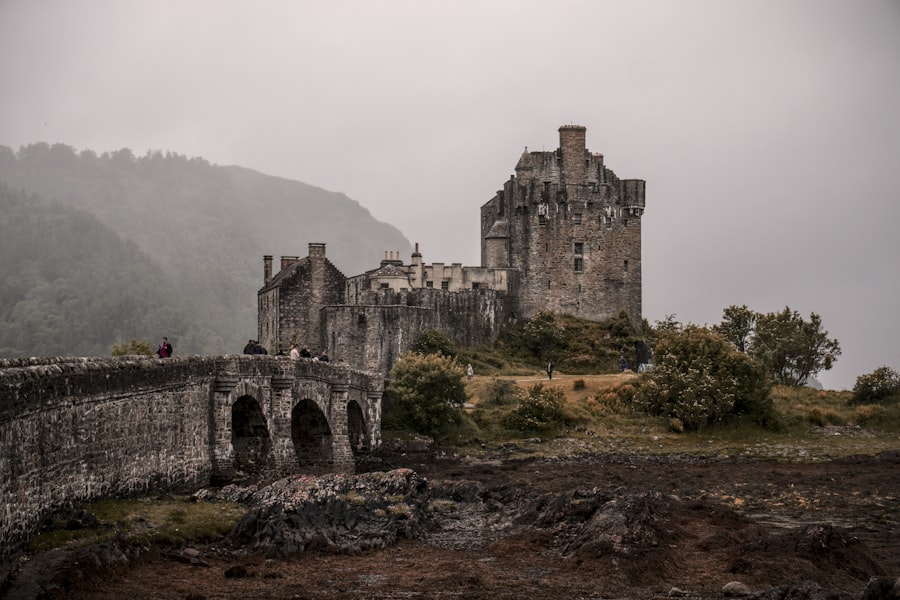
Along the trail, visitors can discover renowned names such as Glenfiddich, Aberlour, and Balvenie while also uncovering hidden gems that may not be as widely known. The journey along the Whisky Trail is not just about sampling spirits; it also offers opportunities to appreciate Scotland’s stunning landscapes. The route winds through picturesque villages, rolling hills, and lush valleys dotted with ancient castles and historic sites.
Many travelers find that taking time to explore these surroundings enhances their overall experience, allowing them to connect with both the culture and heritage that shape Scotland’s whisky industry.
Visiting Historic Castles and Distilleries
Scotland’s rich history is intertwined with its whisky heritage, making visits to historic castles and distilleries an enriching experience for travelers. Many distilleries are located near ancient castles that have stood for centuries, providing insight into Scotland’s storied past. For example, Edradour Distillery near Pitlochry is situated close to Blair Castle, which dates back to the 13th century.
Visitors can explore both sites in one trip, gaining an understanding of how whisky production has evolved alongside Scotland’s history. In addition to castles, some distilleries themselves are housed in historic buildings that reflect traditional Scottish architecture. The GlenDronach Distillery is set within a Victorian-era structure that exudes charm and character.
Touring these facilities allows guests to appreciate not only the craftsmanship behind whisky production but also the historical significance of these locations within Scottish culture.
Whisky-Making Process and Techniques
The whisky-making process is an intricate art form that combines science with tradition. It begins with malting barley, where grains are soaked in water and allowed to germinate before being dried in kilns. This process develops enzymes that convert starches into fermentable sugars during mashing.
Once dried, the malted barley is ground into grist and mixed with hot water in large vessels called mash tuns. Fermentation follows mashing; yeast is added to convert sugars into alcohol over several days in fermentation vessels known as washbacks. The resulting liquid—known as “wash”—is then distilled twice in pot stills or column stills depending on the desired style of whisky.
The first distillation produces low wines with an alcohol content around 20%, which undergoes a second distillation to yield spirit at approximately 60-70% alcohol by volume (ABV). After distillation comes maturation; whisky must be aged in oak casks for at least three years before it can be legally labeled as Scotch whisky.
Whisky Museums and Visitor Centers
Whisky museums and visitor centers play an essential role in educating both locals and tourists about Scotland’s whisky heritage. These institutions often feature interactive exhibits that delve into various aspects of whisky production—from historical artifacts showcasing ancient distilling methods to modern innovations shaping today’s industry. The Scotch Whisky Experience in Edinburgh is one such venue that offers guided tours through its extensive collection of over 3,000 bottles while providing insights into different styles of Scotch.
Another notable museum is the Speyside Cooperage near Aberlour, where visitors can learn about the art of barrel-making—an integral part of whisky maturation. Here, skilled coopers demonstrate traditional techniques used to craft barrels from oak staves while explaining how different types of wood influence flavor profiles during aging. These museums not only celebrate Scotland’s rich whisky culture but also serve as valuable resources for those looking to deepen their understanding of this beloved spirit.
Whisky-themed Accommodations and Lodgings
For those seeking an immersive experience in Scotland’s whisky culture, numerous accommodations cater specifically to enthusiasts. Many distilleries offer on-site lodgings that allow guests to stay within walking distance of their favorite spirits while enjoying stunning views of surrounding landscapes. The Craigellachie Hotel in Speyside features an extensive selection of whiskies available for tasting at its renowned bar—The Quaich Bar—where guests can sample rare bottlings alongside classic favorites.
Additionally, several boutique hotels throughout Scotland embrace whisky themes by incorporating local spirits into their dining menus or offering exclusive tasting experiences for guests. The Glengarry Castle Hotel near Fort William provides an idyllic setting for exploring nearby distilleries while enjoying traditional Scottish hospitality amidst breathtaking scenery.
Sustainable and Eco-friendly Whisky Tourism Options
As awareness grows around environmental issues within tourism industries worldwide—including whisky tourism—many distilleries are adopting sustainable practices aimed at reducing their ecological footprint while promoting responsible consumption among visitors. Some distilleries have implemented renewable energy sources such as solar panels or wind turbines to power operations while others focus on water conservation efforts by recycling water used during production processes. Eco-friendly initiatives extend beyond production; many distilleries now offer sustainable tourism options such as guided nature walks through surrounding landscapes or partnerships with local conservation organizations aimed at preserving natural habitats near their facilities.
By prioritizing sustainability within their operations—and encouraging visitors to engage responsibly—Scotland’s whisky industry demonstrates its commitment not only to quality craftsmanship but also to protecting its beautiful environment for future generations. Through this exploration of Scotland’s rich whisky heritage—from its storied history through diverse regional expressions—visitors can gain a deeper appreciation for this iconic spirit while enjoying unique experiences that celebrate both tradition and innovation within one of the world’s most beloved beverages.
Whisky tourism in Scotland offers enthusiasts a unique opportunity to explore the rich heritage and craftsmanship behind their favorite spirits. Visitors can tour iconic distilleries, participate in tastings, and immerse themselves in the culture of whisky-making. For those interested in learning more about specific whiskies, an insightful article on the Macallan Edition No. 2 provides a deep dive into one of Scotland’s renowned distilleries, showcasing the artistry and flavors that make it a favorite among whisky lovers.
FAQs
What is whisky tourism in Scotland?
Whisky tourism in Scotland refers to travel experiences centered around visiting whisky distilleries, learning about the whisky-making process, tasting different varieties, and exploring the cultural heritage associated with Scotch whisky.
Where are the main whisky regions in Scotland?
The main whisky regions in Scotland include Speyside, Islay, Highlands, Lowlands, Campbeltown, and the Islands. Each region is known for distinct styles and flavors of Scotch whisky.
Can visitors tour whisky distilleries in Scotland?
Yes, many whisky distilleries in Scotland offer guided tours where visitors can see the production process, learn about the history of the distillery, and participate in whisky tastings.
Do I need to book whisky distillery tours in advance?
It is recommended to book tours in advance, especially during peak tourist seasons, as many distilleries have limited capacity and popular tours can fill up quickly.
Are whisky tastings included in distillery tours?
Most distillery tours include whisky tastings as part of the experience, allowing visitors to sample different expressions produced by the distillery.
Is whisky tourism suitable for all ages?
Whisky tourism activities such as distillery tours and tastings are generally intended for adults aged 18 and over, in accordance with Scotland’s legal drinking age.
What is the best time of year to visit Scotland for whisky tourism?
Whisky tourism can be enjoyed year-round, but spring and summer months (May to September) offer milder weather and longer daylight hours, making it a popular time for visitors.
Are there whisky festivals in Scotland?
Yes, Scotland hosts several whisky festivals throughout the year, such as the Spirit of Speyside Whisky Festival and the Islay Festival of Music and Malt, which celebrate whisky culture with tastings, events, and tours.
Can I buy whisky souvenirs during my visit?
Most distilleries have gift shops where visitors can purchase bottles of whisky, branded merchandise, and other whisky-related souvenirs.
Is whisky tourism in Scotland accessible by public transport?
Some distilleries are accessible by public transport, but many are located in rural areas. Renting a car or joining organized whisky tours is often the most convenient way to visit multiple distilleries.