The origins of single malt whisky can be traced back to the early medieval period in Scotland, where the art of distillation began to take shape. The first documented mention of whisky dates back to 1494, when a record from the Abbey of Lindores in Fife noted that “eight bolls of malt” were given to a friar named John Cor, presumably for the purpose of making whisky. This early form of whisky was likely quite different from what we know today, as it was produced using rudimentary methods and often had a rough, unrefined character.
Over the centuries, the production techniques evolved, influenced by both local traditions and technological advancements. By the 18th century, whisky production had become more organized, with the establishment of licensed distilleries. The Excise Act of 1823 marked a significant turning point in the history of single malt whisky, as it allowed distillers to operate legally and pay taxes on their production.
This led to an explosion of distilleries across Scotland, many of which are still in operation today. The late 19th century saw the rise of blended whiskies, which overshadowed single malts for a time. However, the late 20th century witnessed a resurgence in the popularity of single malts, driven by a growing appreciation for craftsmanship and authenticity among consumers.
Key Takeaways
- Single malt whisky is deeply rooted in history and tradition, with distinct regional characteristics.
- The distillation process and quality of barley are crucial in defining the whisky’s flavor and character.
- Aging significantly influences the complexity and smoothness of single malt whisky.
- Pairing whisky with food and exploring cocktails can enhance the tasting experience.
- Sustainable practices and innovation are shaping the future of single malt whisky production.
Understanding the Distillation Process
The distillation process is fundamental to the creation of single malt whisky, transforming fermented grain mash into a spirit with distinct flavors and characteristics. The process begins with mashing, where malted barley is mixed with hot water to extract fermentable sugars. This mixture, known as “mash,” is then transferred to fermentation vessels, where yeast is added.
The yeast consumes the sugars, producing alcohol and carbon dioxide over several days. The result is a liquid called “wash,” which typically has an alcohol content of around 6-8%. Once fermentation is complete, the wash undergoes distillation in pot stills, which are traditionally made of copper.
The wash is heated in the still, causing the alcohol to vaporize. As the vapor rises, it passes through a condenser where it cools and returns to liquid form. This process is usually conducted twice: the first distillation produces “low wines,” which are then distilled again to create “new make spirit.” The distillation process is crucial because it determines the spirit’s purity and flavor profile; different distillation techniques can yield varying results in terms of aroma and taste.
The Role of Barley in Single Malt Whisky
Barley is the cornerstone ingredient in single malt whisky production, and its quality significantly influences the final product. Single malt whisky must be made from 100% malted barley, which is a cereal grain that has undergone a specific germination process to convert starches into fermentable sugars. The malting process involves soaking barley grains in water, allowing them to germinate for several days before drying them in a kiln.
This not only develops the sugars necessary for fermentation but also imparts unique flavors that will carry through to the finished whisky. The choice of barley variety can have a profound impact on flavor. For instance, some distilleries may opt for traditional varieties like Golden Promise or Maris Otter, which are known for their rich, malty characteristics.
Others may experiment with newer strains that offer different flavor profiles or higher yields. Additionally, the terroir—the environmental conditions where the barley is grown—can also affect flavor. Barley grown in different regions may absorb unique minerals from the soil or be influenced by local climate conditions, contributing to the complexity of the whisky.
Exploring the Different Regions of Single Malt Whisky Production
Scotland is home to several distinct whisky-producing regions, each with its own unique characteristics and flavor profiles. The most renowned regions include Speyside, Islay, the Highlands, and Campbeltown. Speyside is often considered the heart of single malt production, known for its sweet and fruity whiskies that often feature notes of apple, pear, and honey.
Distilleries like Glenfiddich and Macallan have become iconic representations of this region’s style. Islay whiskies are famous for their bold and peaty flavors, often characterized by smoky notes that come from drying malted barley over peat fires. Distilleries such as Laphroaig and Ardbeg exemplify this style, attracting enthusiasts who appreciate their intense flavor profiles.
The Highlands region offers a diverse range of whiskies due to its varied geography; from coastal distilleries like Oban to those nestled in the mountains like Dalmore, Highland whiskies can range from light and floral to rich and robust. Campbeltown, once a thriving whisky hub, now boasts only a handful of distilleries but produces some unique expressions that reflect its maritime heritage. Whiskies from this region often exhibit briny notes alongside rich fruitiness.
Each region’s distinct characteristics are shaped by local traditions, climate, and geography, making exploration of these areas an essential part of understanding single malt whisky.
The Importance of Aging in Single Malt Whisky
| Metric | Description | Typical Range | Notes |
|---|---|---|---|
| Alcohol by Volume (ABV) | Percentage of alcohol content in the whisky | 40% – 60% | Standard bottling usually around 40-46% |
| Age | Number of years the whisky has been matured | 3 – 30+ years | Older whiskies tend to be smoother and more complex |
| Region | Geographical origin of the whisky | Speyside, Islay, Highlands, Lowlands, Campbeltown | Each region has distinct flavor profiles |
| Peat Level (PPM) | Phenol parts per million, indicating smokiness | 0 – 50+ PPM | Higher PPM means smokier flavor, Islay whiskies often high |
| Distillation | Number of distillations performed | Typically 2 | Some distilleries use triple distillation for smoother taste |
| Cask Type | Type of wood cask used for maturation | Ex-bourbon, sherry, port, wine casks | Cask type influences flavor and color |
| Flavor Notes | Common tasting notes | Fruity, smoky, spicy, floral, vanilla, caramel | Varies widely by distillery and region |
Aging is one of the most critical factors in determining the quality and character of single malt whisky. Once distilled, the spirit is transferred into oak casks for maturation. During this aging process, which can last anywhere from three years to several decades, the whisky undergoes complex chemical reactions that develop its flavors and aromas.
The interaction between the spirit and the wood is vital; compounds from the oak impart flavors such as vanilla, caramel, and spice while also mellowing harsh alcohol notes. The choice of cask also plays a significant role in shaping the final product. Many distilleries use ex-bourbon barrels for aging due to their ability to impart sweetness and smoothness.
Others may opt for sherry casks, which can add rich fruitiness and nutty flavors to the whisky. Some distilleries even experiment with wine casks or other types of barrels to create unique expressions that stand out in a crowded market. The length of aging also affects flavor; while younger whiskies may be vibrant and fresh, older whiskies often develop deeper complexity and richness.
Tasting Notes and Flavor Profiles of Single Malt Whisky
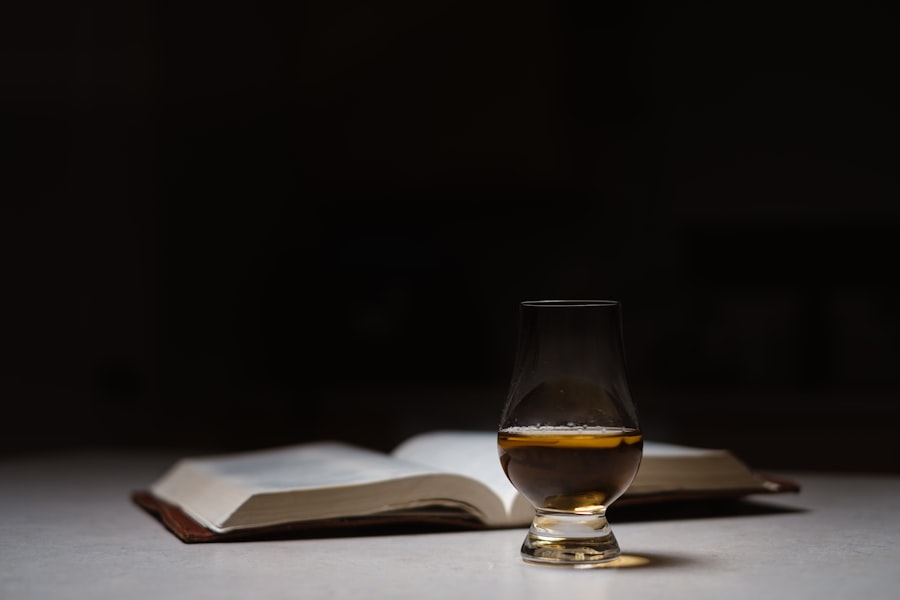
Tasting single malt whisky is an intricate experience that engages all the senses. When evaluating a whisky, one typically begins with its appearance—observing its color can provide clues about its age and cask type; darker whiskies may indicate longer aging or sherry cask influence. Next comes the nose; swirling the glass allows aromatic compounds to escape, revealing layers of scent that can range from floral and fruity to smoky and spicy.
On the palate, single malt whiskies can exhibit a wide array of flavors depending on their origin and production methods. For example, a Speyside whisky might present notes of ripe fruits like peach or apricot alongside honeyed sweetness, while an Islay expression could deliver intense peat smoke balanced by briny sea air and dark chocolate undertones. The finish—the lingering taste after swallowing—can also vary significantly; some whiskies leave a warm embrace with hints of spice or oak, while others may finish cleanly with citrus or herbal notes.
Pairing Single Malt Whisky with Food
Pairing single malt whisky with food can elevate both the dining experience and appreciation for the spirit itself. The key to successful pairings lies in balancing flavors; complementary or contrasting elements can enhance both the dish and the whisky. For instance, a rich Islay whisky with its smoky profile pairs beautifully with grilled meats or smoked salmon, as both share similar flavor intensity.
Conversely, lighter Speyside whiskies can be paired with delicate dishes such as sushi or seafood; their fruity notes can enhance the freshness of these foods without overpowering them. Cheese also makes an excellent companion for whisky; creamy blue cheeses can harmonize with sweet sherry cask-aged whiskies while sharp cheddars may find a friend in robust Highland expressions. Ultimately, experimentation is encouraged; discovering personal preferences through pairing can lead to delightful culinary adventures.
The Art of Collecting and Investing in Single Malt Whisky
Collecting single malt whisky has become increasingly popular among enthusiasts and investors alike. The allure lies not only in acquiring rare bottles but also in understanding their potential value over time. Certain limited editions or discontinued releases can appreciate significantly due to their scarcity; for example, bottles from closed distilleries like Brora or Port Ellen have become highly sought after by collectors willing to pay premium prices.
Investing in whisky requires knowledge about market trends and an understanding of what makes certain bottles desirable. Factors such as age statement, distillery reputation, packaging design, and historical significance all play roles in determining value. Additionally, proper storage conditions are crucial; keeping bottles upright in a cool, dark place helps preserve their integrity over time.
As interest in whisky continues to grow globally, collectors must stay informed about emerging trends and shifts within this dynamic market.
Single Malt Whisky Cocktails and Mixology
While single malt whisky is often enjoyed neat or with a splash of water, it has also found its way into cocktails that highlight its unique flavors. Classic cocktails like the Rob Roy—a variation on the Manhattan—showcase Scotch’s versatility when combined with sweet vermouth and bitters. This drink allows the whisky’s character to shine through while adding layers of complexity from other ingredients.
Modern mixology has embraced single malts in innovative ways; bartenders experiment with various mixers such as herbal liqueurs or fruit juices to create refreshing concoctions that appeal to a broader audience. For instance, a highball made with single malt whisky and ginger ale offers a light yet flavorful option perfect for warm weather sipping. As cocktail culture continues to evolve, single malt whisky remains an exciting ingredient that invites creativity while honoring tradition.
Sustainable and Ethical Practices in Single Malt Whisky Production
As consumers become more environmentally conscious, many distilleries are adopting sustainable practices in their production processes. This shift includes sourcing ingredients locally whenever possible—reducing carbon footprints associated with transportation—and implementing energy-efficient technologies within distillation facilities. Some distilleries have even begun using renewable energy sources such as wind or solar power to minimize their environmental impact.
Water usage is another critical area where sustainability efforts are being made; many distilleries are investing in water conservation techniques to ensure they use this precious resource responsibly throughout production processes. Additionally, some producers are exploring eco-friendly packaging options that reduce waste while maintaining product integrity. By prioritizing sustainability and ethical practices within their operations, these distilleries not only contribute positively to their communities but also appeal to consumers who value responsible sourcing.
The Future of Single Malt Whisky: Trends and Innovations
The future of single malt whisky appears bright as new trends emerge within this storied industry. One notable trend is the increasing popularity of craft distilling; smaller producers are entering the market with innovative approaches that challenge traditional norms while offering unique expressions that cater to diverse palates. These craft distillers often experiment with unconventional ingredients or aging techniques—such as using different types of wood casks—to create distinctive flavors that stand out among established brands.
Another significant trend is globalization; as interest in whisky grows worldwide—particularly in markets like Asia—distilleries are adapting their marketing strategies to reach new audiences effectively. This includes creating limited-edition releases tailored specifically for international markets or collaborating with local chefs for exclusive pairing events that showcase both food culture and whisky craftsmanship. As consumer preferences continue evolving toward authenticity and transparency regarding production methods—distilleries will likely focus on storytelling around their heritage while emphasizing quality over quantity in their offerings—ensuring that single malt whisky remains not just a drink but an experience steeped in history and artistry.
Single malt whisky is a fascinating spirit that has garnered a dedicated following among enthusiasts and casual drinkers alike. For those looking to deepen their appreciation of this unique beverage, exploring the nuances of its production and tasting notes can be incredibly rewarding. A great resource for this is the article on whisky enjoyment, which provides insights into how to fully appreciate the complexities of single malt whisky and enhance your tasting experience.
FAQs
What is single malt whisky?
Single malt whisky is a type of whisky made from malted barley at a single distillery. It is distilled in pot stills and typically aged in oak barrels for several years.
How is single malt whisky different from blended whisky?
Single malt whisky comes from one distillery and is made only from malted barley, whereas blended whisky is a mix of malt and grain whiskies from multiple distilleries.
Where is single malt whisky traditionally produced?
Single malt whisky is traditionally produced in Scotland, but it is also made in other countries such as Ireland, Japan, and the United States.
What does the aging process do to single malt whisky?
Aging in oak barrels allows the whisky to develop complex flavors, smoothness, and color. The minimum aging period for Scotch single malt whisky is three years.
What flavors can be found in single malt whisky?
Flavors vary widely depending on the distillery and region but can include notes of fruit, smoke, peat, vanilla, caramel, spices, and oak.
How should single malt whisky be stored?
Single malt whisky should be stored upright in a cool, dark place away from direct sunlight and temperature fluctuations to preserve its quality.
Can single malt whisky be used in cocktails?
While single malt whisky is often enjoyed neat or with water, it can also be used in cocktails, though some enthusiasts prefer to savor its unique flavors without mixing.
What is the significance of the age statement on single malt whisky bottles?
The age statement indicates the youngest whisky in the bottle and reflects the minimum number of years the whisky has been aged in oak casks.
Is single malt whisky gluten-free?
Yes, single malt whisky is generally considered gluten-free because the distillation process removes gluten proteins.
How can I properly taste single malt whisky?
To taste single malt whisky, pour a small amount into a glass, observe its color, smell the aromas, take a small sip, and let it coat your palate to appreciate the flavors fully. Adding a few drops of water can open up the whisky’s character.