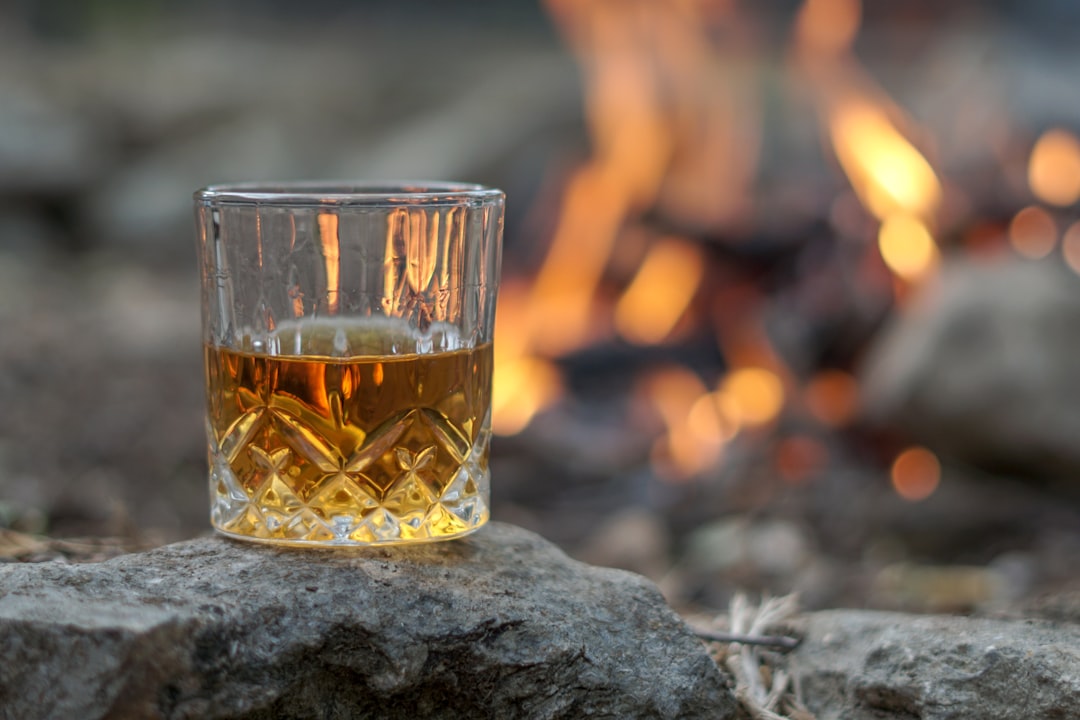
The story of 67 Whisky begins in the heart of a region steeped in rich distilling traditions, where the art of whisky-making has been passed down through generations. The number “67” is not merely a label; it signifies a unique blend of heritage and innovation that defines this spirit. The distillery was established in the late 20th century, during a time when whisky production was experiencing a renaissance.
This period saw a resurgence of interest in artisanal spirits, with many distillers returning to traditional methods while also embracing modern techniques. The founders of 67 Whisky sought to create a product that honored the past while appealing to contemporary palates. The distillery’s location plays a crucial role in its identity.
Nestled amidst rolling hills and pristine water sources, the site was chosen for its natural resources, which are essential for producing high-quality whisky. The founders were inspired by the local landscape, which not only provides the water used in the distillation process but also influences the flavor profile of the whisky itself. The commitment to using locally sourced ingredients reflects a broader trend in the whisky industry, where authenticity and connection to place are increasingly valued by consumers.
Key Takeaways
- 67 Whisky has a rich history rooted in traditional distillation methods.
- Barrel selection plays a crucial role in developing its unique flavor profile.
- The whisky offers complex tasting notes ideal for pairing with various foods.
- Innovative cocktail recipes highlight the versatility of 67 Whisky.
- The brand is expanding globally while embracing future trends and production innovations.
The Distillation Process
The distillation process of 67 Whisky is a meticulous art that combines science and tradition. It begins with the selection of high-quality grains, typically a mix of malted barley and other cereals, which are mashed and mixed with hot water to extract fermentable sugars. This mash is then cooled and yeast is added, initiating fermentation.
During this stage, yeast converts sugars into alcohol, producing a wash with an alcohol content of around 6-8%. This wash is then distilled twice in copper pot stills, a method that allows for greater control over the final product’s flavor and character. The first distillation occurs in a wash still, where the alcohol is separated from the wash.
The resulting liquid, known as low wines, is then distilled again in a spirit still. This second distillation is crucial as it refines the spirit further, allowing for the separation of undesirable compounds and enhancing the purity of the whisky. The distiller carefully monitors the temperature and timing during this process to ensure that only the heart—the most desirable portion of the distillate—is collected for aging.
This attention to detail is what sets 67 Whisky apart from mass-produced alternatives, as each batch reflects the skill and dedication of the distillers.
The Importance of Barrels in Whisky Aging
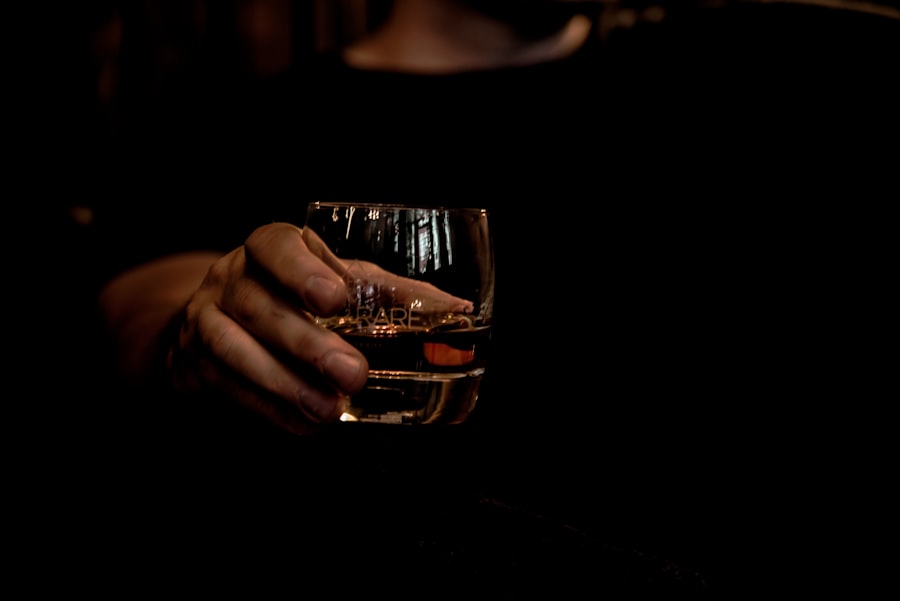
Once distilled, 67 Whisky enters a critical phase: aging in barrels. The choice of barrel is paramount, as it significantly influences the flavor, aroma, and overall character of the whisky. Typically, 67 Whisky is aged in American oak barrels that have previously held bourbon, as well as European oak casks that once contained sherry or other fortified wines.
Each type of barrel imparts distinct flavors; for instance, American oak tends to contribute notes of vanilla and caramel, while European oak adds complexity with dried fruit and spice. The aging process allows the whisky to interact with the wood, extracting compounds that enhance its flavor profile. Over time, chemical reactions occur between the spirit and the wood, leading to the development of deeper colors and richer flavors.
The climate in which the whisky is aged also plays a significant role; variations in temperature and humidity can accelerate or slow down the maturation process. In regions with extreme temperature fluctuations, such as those experienced at the 67 distillery, whisky can mature more rapidly due to increased interaction with the barrel’s wood.
Tasting Notes and Flavor Profile of 67 Whisky
The flavor profile of 67 Whisky is a harmonious blend of various tasting notes that reflect its unique production process and aging conditions. Upon nosing, one might detect an inviting bouquet of aromas—hints of vanilla, caramel, and toasted oak mingle with subtler notes of dried fruit and spice. These initial scents set the stage for a complex tasting experience that unfolds on the palate.
As one takes a sip, the whisky reveals its character through a rich tapestry of flavors. The initial sweetness from the caramelized sugars gives way to layers of fruitiness—think ripe apples or pears—complemented by warm spices like cinnamon and nutmeg. The finish is often long and satisfying, leaving behind echoes of oak and a gentle warmth that lingers pleasantly.
This intricate balance makes 67 Whisky versatile; it can be enjoyed neat, on the rocks, or as part of a cocktail.
Pairing 67 Whisky with Food
| Metric | Value | Unit |
|---|---|---|
| Alcohol by Volume (ABV) | 40 | % |
| Age | 12 | Years |
| Distillation Year | 1967 | Year |
| Region | Speyside | – |
| Type | Single Malt | – |
| Volume | 700 | ml |
| Tasting Notes | Rich, smoky, with hints of vanilla and oak | – |
Pairing 67 Whisky with food can elevate both the dining experience and the enjoyment of the spirit itself. The complexity of its flavor profile allows it to complement a wide range of dishes. For instance, its sweet and spicy notes make it an excellent match for grilled meats, particularly those marinated with sweet or smoky sauces.
A charred steak or barbecue ribs can bring out the whisky’s caramel undertones while balancing its warmth. Additionally, 67 Whisky pairs beautifully with rich desserts such as chocolate torte or bread pudding. The sweetness from these dishes harmonizes with the whisky’s inherent flavors, creating a delightful contrast that enhances both elements.
Cheese lovers can also find joy in pairing this whisky with aged cheeses like Gouda or blue cheese; the creaminess of these cheeses complements the whisky’s oakiness while providing a satisfying mouthfeel.
The Art of Whisky Cocktails

While enjoying 67 Whisky neat or on the rocks is certainly rewarding, its versatility extends into the realm of cocktails as well. Bartenders and mixologists have embraced this spirit for its ability to enhance classic cocktails while also serving as a base for innovative creations. One popular cocktail featuring 67 Whisky is the Old Fashioned—a timeless drink that highlights the whisky’s rich flavors through simple ingredients like sugar, bitters, and a twist of citrus.
Another exciting option is to incorporate 67 Whisky into modern cocktails that showcase its unique characteristics. For example, a whisky sour made with fresh lemon juice and simple syrup can provide a refreshing contrast to the spirit’s inherent sweetness. Additionally, experimenting with ingredients like ginger beer or herbal liqueurs can yield delightful results that highlight different aspects of 67 Whisky’s flavor profile.
Exploring the Distillery and Production Facilities
Visiting the distillery where 67 Whisky is produced offers an immersive experience into the world of whisky-making. Guests are often welcomed with guided tours that take them through each stage of production—from mashing and fermentation to distillation and aging. These tours provide insight into not only the technical aspects but also the passion and craftsmanship that go into creating each bottle.
During such visits, one can witness firsthand the copper pot stills gleaming under warm lights and smell the sweet aroma of maturing whisky wafting through the air. Many distilleries also feature tasting rooms where visitors can sample various expressions of 67 Whisky straight from the source. This direct connection to production fosters an appreciation for the artistry involved in crafting this beloved spirit.
The Influence of Terroir on 67 Whisky
Terroir—the concept that geography, geology, and climate influence agricultural products—plays a significant role in shaping 67 Whisky’s identity. The specific conditions surrounding the distillery contribute to its unique flavor profile. For instance, the purity of local water sources used in production can affect not only fermentation but also how flavors develop during aging.
Moreover, local grains used in mashing can impart distinct characteristics to the whisky. The soil composition where these grains are grown influences their flavor potential; thus, using locally sourced ingredients creates a sense of place within each bottle. This connection to terroir resonates with consumers who seek authenticity in their spirits and appreciate products that reflect their origins.
The Role of 67 Whisky in Popular Culture
67 Whisky has carved out a niche for itself within popular culture, appearing in films, literature, and music as a symbol of sophistication and indulgence. Its presence in cinematic narratives often evokes themes of camaraderie or celebration; characters sharing a dram can signify friendship or pivotal moments in their journeys. This portrayal reinforces whisky’s status as more than just a beverage—it’s an experience intertwined with storytelling.
In literature, references to whisky often evoke nostalgia or serve as metaphors for life’s complexities. Authors may use it to illustrate character traits or set moods within their narratives. Additionally, musicians frequently mention whisky in their lyrics as an emblematic drink associated with both revelry and reflection—capturing its dual nature as both celebratory and contemplative.
The Global Reach of 67 Whisky
The appeal of 67 Whisky extends far beyond its local origins; it has garnered international recognition among whisky enthusiasts worldwide. As global interest in craft spirits continues to rise, 67 Whisky has found its way onto shelves across various markets—from Europe to Asia and beyond. This expansion reflects not only its quality but also an increasing appreciation for artisanal products among consumers who seek unique experiences.
Exporting 67 Whisky involves navigating diverse regulations and market preferences; however, its distinctive flavor profile often resonates well with international palates. As more people discover this spirit through tastings or events showcasing regional whiskies, it solidifies its place within global whisky culture—a testament to its craftsmanship and heritage.
The Future of 67 Whisky: Trends and Innovations
Looking ahead, 67 Whisky stands at an exciting crossroads where tradition meets innovation. As consumer preferences evolve towards sustainability and transparency in production practices, many distilleries—including 67—are exploring eco-friendly initiatives such as using renewable energy sources or implementing waste reduction strategies during production. Additionally, experimentation with new cask finishes or blending techniques may lead to novel expressions that captivate adventurous drinkers seeking unique flavor experiences.
Collaborations with local artisans—such as chocolatiers or bakers—could also yield limited-edition releases that highlight regional flavors while appealing to niche markets. In conclusion, as trends continue to shape consumer behavior within the spirits industry, 67 Whisky remains committed to honoring its roots while embracing change—ensuring it remains relevant for generations to come.
If you’re a fan of 67 whisky, you might also be interested in exploring some creative ways to enjoy it in cocktails. A great resource for this is the article on good whisky cocktails, which offers a variety of recipes and tips for mixing your favorite spirits. You can check it out here: Good Whisky Cocktail.
FAQs
What is 67 whisky?
67 whisky refers to a specific brand or type of whisky, often recognized for its unique flavor profile or production method. The number “67” may relate to the year of establishment, a batch number, or a distinctive characteristic of the whisky.
What types of whisky are available under the 67 whisky label?
67 whisky may include various types such as single malt, blended, or grain whisky. The exact types depend on the distillery’s offerings and production style.
Where is 67 whisky produced?
The production location of 67 whisky depends on the distillery behind the brand. It could be produced in traditional whisky regions such as Scotland, Ireland, the United States, or other countries known for whisky production.
What is the typical flavor profile of 67 whisky?
The flavor profile of 67 whisky varies by expression but generally includes notes typical of whisky such as malt, oak, caramel, vanilla, and spices. Specific tasting notes depend on the aging process and ingredients used.
How is 67 whisky aged?
67 whisky is typically aged in oak barrels, which may include American oak, European oak, or sherry casks. The aging period can vary, influencing the whisky’s taste and smoothness.
Is 67 whisky suitable for beginners?
Many 67 whisky expressions are approachable for beginners, but it depends on the specific product’s strength and flavor intensity. It’s advisable to start with lighter or milder expressions.
Where can I purchase 67 whisky?
67 whisky can be purchased at liquor stores, specialty whisky shops, online retailers, and sometimes directly from the distillery or brand website, depending on availability and regional regulations.
What is the alcohol content of 67 whisky?
The alcohol by volume (ABV) of 67 whisky typically ranges from 40% to 50%, depending on the specific expression and market requirements.
Can 67 whisky be used in cocktails?
Yes, 67 whisky can be used in a variety of cocktails. Its flavor profile may complement classic whisky cocktails like Old Fashioned, Whisky Sour, or Manhattan.
Is 67 whisky aged or non-aged?
Most 67 whisky expressions are aged, with the age statement varying by product. Some may also offer non-age statement (NAS) whiskies focusing on flavor rather than age.