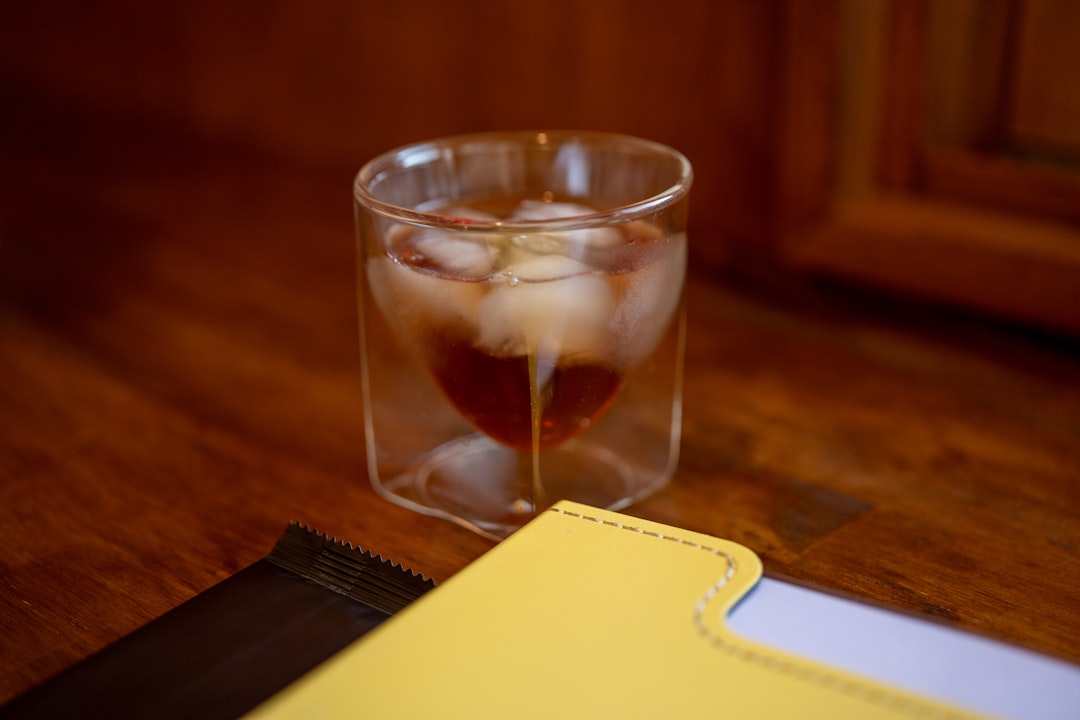
Whisky tasting is a systematic sensory evaluation that engages multiple senses to assess the spirit’s characteristics. The process begins with visual assessment, examining the whisky’s color, clarity, and viscosity. Darker amber colors typically indicate longer aging periods or sherry cask maturation, while lighter straw colors suggest younger spirits or bourbon barrel aging.
The “legs” that form when swirled provide information about alcohol content and body. The aromatic evaluation follows, where the taster analyzes the whisky’s scent profile. The aroma comprises compounds derived from the grain ingredients, distillation methods, and cask maturation.
Gentle swirling releases volatile compounds, revealing a spectrum of aromas from floral and fruit notes to earthy and smoky elements. This olfactory analysis is an essential preliminary step that informs the subsequent tasting experience.
Key Takeaways
- Whisky tasting is a sensory journey that involves appreciating aroma, flavor, and finish.
- Key flavor profiles include smoky peat, caramel, dried fruit sweetness, and subtle vanilla undertones.
- Aging and maturation significantly influence the complexity and character of whisky flavors.
- Pairing whisky with complementary foods enhances the overall tasting experience.
- Hosting a whisky tasting event can deepen appreciation and share the sensory enjoyment with others.
Understanding the Complexity of Whisky Flavors
The flavor profile of whisky is a multifaceted phenomenon shaped by numerous factors, including the type of grain used, the distillation method, and the aging process. At its core, whisky is distilled from grains such as barley, corn, rye, or wheat, each imparting distinct characteristics to the final product. For instance, malt whisky made from barley often exhibits a rich, nutty flavor, while corn-based bourbons tend to be sweeter and fuller-bodied.
The choice of grain not only influences taste but also affects mouthfeel and finish. Moreover, the distillation process plays a pivotal role in flavor development. Pot stills, commonly used in traditional Scotch whisky production, allow for a slower distillation that can enhance complexity and depth.
In contrast, column stills, often employed in bourbon production, create a cleaner spirit with a more straightforward flavor profile. The interaction between the spirit and the wood during maturation further complicates this tapestry of flavors. The type of cask—whether American oak, European oak, or even unique finishes like rum or wine barrels—can introduce additional notes such as spice, fruitiness, or even chocolate.
Uncovering the Smoky Essence of Peat in Whisky
Peat is an essential element in certain whiskies, particularly those from Scotland’s Islay region. This organic material, formed from decomposed plant matter over thousands of years, is harvested and dried to create a distinctive smoky flavor that permeates the whisky. The process of drying malted barley over burning peat fires infuses the grain with phenolic compounds that contribute to its signature smokiness.
This characteristic can range from subtle hints to overwhelming intensity, depending on how heavily the barley is peated. The allure of peaty whiskies lies in their complexity and depth. For example, Ardbeg and Laphroaig are renowned for their bold peat profiles that evoke images of coastal landscapes and rugged terrain.
Tasting these whiskies often reveals layers of flavor beyond just smoke; one might detect briny sea notes, medicinal qualities, or even hints of citrus that balance out the robust peatiness. This interplay between smoke and other flavors creates a unique tasting experience that captivates both novice drinkers and seasoned connoisseurs alike.
The Allure of Caramel Notes in Whisky
Caramel notes are a hallmark of many whiskies, often arising from the caramelization of sugars during the aging process in charred oak barrels. When whisky is placed in these barrels, it interacts with the wood, extracting compounds that contribute to its flavor profile. The charring process caramelizes the natural sugars present in the wood, resulting in rich notes of toffee and caramel that can envelop the palate.
In bourbons, which are required by law to be aged in new charred oak barrels, these caramel flavors are particularly pronounced. A classic example is Maker’s Mark, where the sweetness of caramel harmonizes beautifully with vanilla and spice notes. In contrast, Scotch whiskies may exhibit caramel flavors as well but often blend them with other elements like fruit or smoke.
GlenDronach’s sherry cask-aged expressions showcase how caramel can intertwine with dried fruit and nutty undertones to create a luxurious mouthfeel.
Exploring the Sweetness of Dried Fruit in Whisky
| Whisky | Region | Age | ABV (%) | Tasting Notes | Finish |
|---|---|---|---|---|---|
| Glenfiddich 12 | Speyside | 12 years | 40 | Fresh pear, subtle oak, honey sweetness | Medium, smooth with a hint of oak |
| Lagavulin 16 | Islay | 16 years | 43 | Intense peat smoke, seaweed, dried fruit | Long, smoky and warming |
| Macallan 18 | Speyside | 18 years | 43 | Dried fruits, spice, chocolate, oak | Rich, smooth, and lingering |
| Ardbeg 10 | Islay | 10 years | 46 | Peat smoke, citrus, vanilla, sea salt | Long, smoky, and slightly sweet |
| Highland Park 12 | Orkney | 12 years | 40 | Heather honey, light peat, dried fruit | Medium, sweet and smoky |
Dried fruit notes are another captivating aspect of whisky tasting that can transport drinkers to sun-drenched orchards or rustic kitchens filled with baked goods. These flavors often emerge from whiskies aged in sherry casks or those that have undergone specific maturation processes designed to enhance fruity characteristics. Sherry casks are particularly known for imparting rich flavors of raisins, figs, and apricots into the whisky.
For instance, Macallan’s sherry cask expressions are celebrated for their opulent profiles that feature an abundance of dried fruit notes alongside spices and chocolate. The interplay between these flavors creates a harmonious balance that delights the senses. Similarly, Balvenie’s DoubleWood expression showcases dried fruit alongside honeyed sweetness and oak spice, illustrating how different maturation techniques can yield diverse flavor profiles while maintaining a core essence.
The Subtle Elegance of Vanilla Undertones in Whisky
Vanilla undertones are often regarded as one of the most universally appealing aspects of whisky flavor profiles. These sweet and creamy notes typically arise from the interaction between whisky and charred oak barrels during aging. The vanillin compound found in oak wood is released when barrels are charred or toasted, infusing the spirit with its signature vanilla character.
In bourbons like Woodford Reserve or Buffalo Trace, vanilla notes are prominent and often complemented by caramel and spice elements. This combination creates a rich tapestry of flavors that is both comforting and complex. In Scotch whiskies as well, particularly those aged in American oak barrels, vanilla can emerge as a delightful counterpoint to other flavors such as fruit or smoke.
Glenfiddich’s 12-Year-Old expression exemplifies this balance with its creamy vanilla notes harmonizing with fresh pear and subtle oak.
Embracing the Lingering Warmth of a Whisky Finish
The finish of a whisky—the lingering sensations experienced after swallowing—is an essential component of its overall character. A well-crafted finish can elevate a whisky from merely enjoyable to truly memorable. Factors such as alcohol content, cask type, and aging duration all contribute to how long and how intensely flavors persist on the palate after tasting.
A whisky with a long finish may leave behind echoes of spice or sweetness that invite further contemplation. For example, Highland Park’s 18-Year-Old expression is known for its complex finish that combines heather honey sweetness with smoky undertones and a touch of dried fruit. This lingering warmth encourages sippers to reflect on their experience long after they have taken their last sip.
Conversely, some whiskies may have a shorter finish but compensate with vibrant flavors that leave an immediate impact.
How to Appreciate and Identify Different Whisky Flavors
To truly appreciate whisky’s diverse flavor profiles requires practice and an open mind. One effective approach is to engage in systematic tasting sessions where one can focus on specific characteristics without distractions. Starting with a clean palate is crucial; neutral foods like plain crackers or water can help reset taste buds between samples.
When tasting whisky, it’s beneficial to employ a structured method: observe its appearance first before moving on to aroma and taste. Swirling the glass allows for oxygenation, which can enhance aromatic compounds. Taking small sips enables one to explore initial flavors before allowing the whisky to linger on the palate for a more comprehensive experience.
Noting down observations can also aid memory retention and help identify patterns over time.
Pairing Whisky with Complementary Flavors for a Sensory Experience
Pairing whisky with complementary flavors can elevate both the drink and food experience to new heights. The key lies in understanding how different flavor profiles interact; for instance, whiskies with strong caramel notes pair beautifully with desserts like crème brûlée or chocolate tarts that echo those sweet characteristics. The richness of these dishes enhances the whisky’s inherent sweetness while creating a delightful contrast.
On the other hand, peaty whiskies often benefit from pairing with savory foods such as smoked meats or strong cheeses that can stand up to their bold flavors. A classic combination might include Islay whisky alongside blue cheese or smoked salmon; both pairings highlight the whisky’s complexity while providing balance through contrasting textures and tastes.
The Influence of Aging and Maturation on Whisky Flavors
Aging is perhaps one of the most critical factors influencing whisky flavor development. As whisky matures in barrels over time, it undergoes chemical changes that enhance its complexity and depth. The interaction between spirit and wood allows for extraction of various compounds that contribute to flavor—such as tannins from oak—which can impart spiciness or bitterness if not managed carefully.
The duration of aging also plays a significant role; younger whiskies may exhibit vibrant fruitiness but lack depth compared to their older counterparts that have had more time to develop intricate layers of flavor through oxidation and evaporation processes known as “angel’s share.” However, age does not always equate to quality; some distilleries produce exceptional younger expressions that showcase specific characteristics without excessive wood influence.
Tips for Hosting a Whisky Tasting Event to Share the Experience
Hosting a whisky tasting event can be an enjoyable way to share knowledge and appreciation for this complex spirit with friends or family. To create an engaging atmosphere, consider selecting a theme—such as regional whiskies or specific styles—that will guide your selections and provide context for participants. Preparation is key; ensure you have enough glasses for each participant along with water for palate cleansing between tastings.
Providing tasting notes or flavor wheels can help guide discussions about each whisky’s characteristics while encouraging participants to share their observations openly. Additionally, consider pairing each whisky with complementary snacks or dishes that enhance their flavors—this not only enriches the experience but also fosters conversation around food pairings. By thoughtfully curating selections and creating an inviting environment for exploration and discussion around whisky tasting experiences will undoubtedly lead to memorable moments filled with discovery and enjoyment among enthusiasts at all levels.
When exploring the intricate world of whisky tasting notes, it’s essential to understand how to properly enjoy and appreciate the spirit. For those looking to enhance their whisky experience, you might find the article on how to drink whisky particularly useful. This guide provides valuable insights into the best practices for tasting, serving, and savoring whisky, ensuring that you can fully appreciate the unique flavors and aromas each bottle has to offer.
FAQs
What are whisky tasting notes?
Whisky tasting notes are detailed descriptions of the flavors, aromas, and characteristics experienced when tasting a whisky. They help enthusiasts and experts identify and communicate the unique qualities of different whiskies.
How do you properly taste whisky?
To properly taste whisky, pour a small amount into a glass, observe its color, swirl gently, inhale the aroma, take a small sip, and let it coat your palate. Note the initial flavors, mid-palate complexity, and finish. Adding a few drops of water can open up additional flavors.
What common flavors are found in whisky tasting notes?
Common flavors in whisky tasting notes include vanilla, caramel, oak, smoke, fruit (such as apple, pear, or citrus), spices (like cinnamon or pepper), honey, chocolate, and peat.
Why do whisky tasting notes vary between different whiskies?
Tasting notes vary due to differences in ingredients, distillation methods, aging processes, cask types, and regional influences. Each factor contributes unique flavors and aromas to the final product.
Can whisky tasting notes help in choosing a whisky?
Yes, whisky tasting notes can guide consumers in selecting whiskies that match their flavor preferences, whether they prefer smoky, sweet, fruity, or spicy profiles.
Is it necessary to be an expert to understand whisky tasting notes?
No, whisky tasting notes are designed to be accessible to all levels of enthusiasts. With practice, anyone can learn to identify and appreciate the flavors and aromas described in tasting notes.
How do environmental factors affect whisky tasting notes?
Environmental factors such as temperature, humidity, and glassware can influence the perception of whisky flavors and aromas. Tasting in a neutral environment with proper glassware is recommended for accurate notes.
What is the difference between nose, palate, and finish in whisky tasting?
The “nose” refers to the aroma of the whisky, the “palate” is the taste experienced when drinking, and the “finish” is the lingering flavor after swallowing. Each stage provides different sensory information about the whisky.