Whisky tasting notes provide a standardized framework for documenting and communicating the sensory characteristics of different whiskies. These notes systematically record observations across four primary categories: appearance, aroma, palate, and finish. Professional tasters and consumers use this methodology to evaluate how factors such as grain selection, distillation techniques, barrel type, and aging duration influence the final product’s characteristics.
The visual assessment examines color intensity and clarity, which indicate factors like cask type and maturation period. Aromatic evaluation identifies specific scent compounds that develop during fermentation, distillation, and aging processes. Palate analysis documents flavor compounds, mouthfeel, and texture as they interact with taste receptors.
The finish assessment measures the duration and evolution of flavors after swallowing. Tasting note terminology draws from established flavor and aroma categories. Common descriptors include fruit notes (citrus, stone fruit, dried fruit), grain characteristics (cereal, bread, honey), wood influences (vanilla, caramel, tannins), and spice elements (pepper, cinnamon, nutmeg).
These descriptors correspond to specific chemical compounds present in the whisky. For example, vanillin from oak barrels produces vanilla notes, while esters from fermentation create fruity aromas. This vocabulary enables consistent communication about whisky characteristics across different tasters and regions.
Key Takeaways
- Aroma plays a crucial role in fully experiencing and appreciating whisky tasting notes.
- Smoky flavors in whisky can be identified by distinct peaty and charred characteristics.
- The aging process significantly influences the complexity and depth of whisky tasting notes.
- Different barrels and casks impart unique flavors, shaping the whisky’s overall profile.
- Developing a refined palate and understanding regional variations enhances whisky tasting and pairing experiences.
The Importance of Aroma in Whisky Tasting
Aroma plays an indispensable role in whisky tasting, often accounting for a significant portion of the overall experience. The olfactory system is closely linked to memory and emotion, which means that the scents encountered during tasting can evoke powerful associations. When one inhales the aroma of a whisky, they are not just perceiving a series of chemical compounds; they are engaging with a narrative that tells the story of the whisky’s creation.
The initial whiff can reveal hints of the ingredients used, the distillation process, and even the environmental conditions under which the whisky was produced. For example, a whisky that has been aged in sherry casks may present rich aromas of dried fruits, nuts, and spices, while a bourbon cask-aged whisky might exude sweet vanilla and caramel notes. The complexity of these aromas can be further enhanced by the interaction between the whisky and the air as it opens up in the glass.
Swirling the whisky allows volatile compounds to escape, revealing new layers of aroma that may not have been immediately apparent. This dynamic interplay between aroma and flavor underscores the importance of taking time to appreciate each aspect of the whisky before taking a sip.
Exploring the Richness of Whisky Flavors
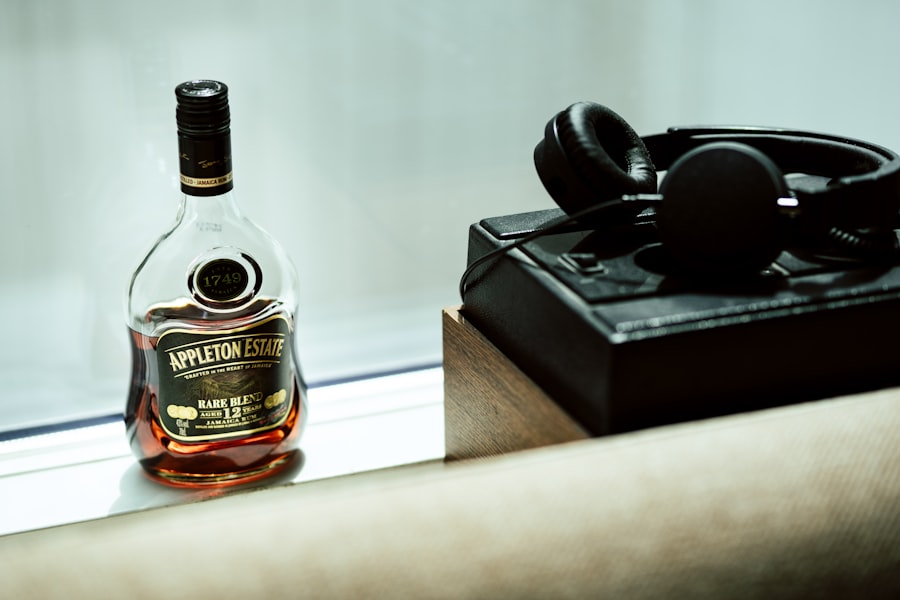
The flavor profile of whisky is a tapestry woven from various elements, including the base ingredients, fermentation process, distillation method, and aging conditions. Each component contributes to the overall richness and complexity of the final product. For instance, malt whiskies often showcase flavors derived from barley, which can impart notes of biscuit, honey, or even floral characteristics.
In contrast, grain whiskies may lean towards lighter flavors such as citrus or green apple due to their use of corn or wheat. Moreover, the influence of aging cannot be overstated when it comes to flavor development. As whisky matures in casks, it undergoes chemical changes that enhance its flavor profile.
The interaction between the spirit and the wood can introduce flavors such as caramel, chocolate, or spice. Additionally, environmental factors like temperature fluctuations and humidity levels can further shape the whisky’s character over time. This intricate dance between ingredients and aging creates a diverse array of flavors that can be explored through tasting.
How to Identify Smoky Tasting Notes in Whisky
Identifying smoky tasting notes in whisky requires a keen sense of observation and an understanding of how smoke interacts with the spirit during production. The smokiness in whisky typically originates from the malting process, where barley is dried over an open flame or peat fire. This method infuses the grains with phenolic compounds that contribute to the distinctive smoky flavor profile found in certain whiskies, particularly those from regions like Islay in Scotland.
When tasting a smoky whisky, one might encounter descriptors such as “peat,” “brine,” or “campfire.” These terms evoke vivid imagery and sensations associated with smoke. The key to identifying these notes lies in paying attention to both aroma and taste. On the nose, one might detect an earthy quality reminiscent of damp soil or moss, while on the palate, flavors can range from medicinal to savory.
The finish often lingers with a smoky aftertaste that can be both warming and complex. Developing an appreciation for these smoky characteristics involves practice and exposure to various expressions that showcase this unique flavor profile.
The Role of Age in Whisky Tasting Notes
| Whisky | Region | Age | ABV (%) | Tasting Notes | Finish | Color |
|---|---|---|---|---|---|---|
| Glenfiddich 12 Year | Speyside | 12 years | 40 | Fresh pear, subtle oak, honey sweetness | Medium, smooth with a hint of fruit | Golden straw |
| Lagavulin 16 Year | Islay | 16 years | 43 | Peat smoke, seaweed, iodine, rich malt | Long, smoky, warming | Deep amber |
| Macallan 18 Year | Speyside | 18 years | 43 | Dried fruits, spice, chocolate, oak | Long, rich, and smooth | Rich mahogany |
| Ardbeg 10 Year | Islay | 10 years | 46 | Intense peat, citrus, vanilla, smoky | Long, smoky, slightly sweet | Light amber |
| Balvenie DoubleWood 12 Year | Speyside | 12 years | 40 | Honey, vanilla, dried fruit, oak | Medium, smooth, warming | Golden |
Age is one of the most significant factors influencing whisky tasting notes, as it directly impacts flavor development and complexity. Generally speaking, older whiskies tend to exhibit more nuanced flavors due to prolonged interaction with the cask. However, age alone does not guarantee quality; rather, it is essential to consider how well the whisky has matured in its specific environment.
A whisky aged for 12 years in a humid climate may develop different characteristics than one aged for the same duration in a drier setting. As whisky ages, it undergoes various chemical reactions that enhance its flavor profile. For instance, esters formed during fermentation can evolve into more complex fruity notes over time.
Additionally, tannins from the wood can impart structure and depth to the spirit. However, there is a delicate balance; excessive aging can lead to over-oaking, where wood flavors dominate and mask the spirit’s inherent qualities. Therefore, understanding age in relation to tasting notes requires an appreciation for both time and context.
Exploring the Different Types of Whisky Tasting Notes
Whisky tasting notes can be categorized into several types based on various factors such as region, style, and production methods. Each category offers unique insights into what one might expect from a particular expression. For instance, single malt whiskies often showcase rich malt characteristics alongside fruitiness and spice due to their exclusive use of malted barley and pot still distillation methods.
In contrast, blended whiskies may present a more harmonious balance of flavors derived from multiple grain sources. Regional variations also play a crucial role in shaping tasting notes. For example, whiskies from Speyside are often characterized by their sweetness and fruitiness—think apples and pears—while those from Islay are known for their bold peatiness and maritime influences.
Understanding these distinctions allows tasters to navigate through different expressions with greater ease and appreciation for their unique qualities.
The Influence of Barrel and Cask on Whisky Tasting Notes
The choice of barrel or cask is paramount in determining the final flavor profile of whisky. Different types of wood impart distinct characteristics; for instance, American oak barrels are known for their vanilla and caramel notes due to high levels of lactone compounds present in the wood. Conversely, European oak casks often contribute spicier elements along with dried fruit flavors due to their tighter grain structure.
Additionally, previous contents of barrels can significantly influence tasting notes. A cask that previously held sherry will impart rich fruitiness and nuttiness to the whisky aged within it. Similarly, bourbon barrels can lend sweetness and creaminess to spirits matured inside them.
The interplay between wood type and previous contents creates an intricate layering effect that enhances complexity and depth in whisky tasting notes.
How to Develop a Palate for Whisky Tasting
Developing a palate for whisky tasting is akin to honing any other skill; it requires practice, patience, and an open mind. One effective approach is to engage in systematic tasting sessions where one samples various expressions side by side. This method allows for direct comparisons between different styles or regions, making it easier to identify subtle differences in flavor profiles.
Another essential aspect is taking time to savor each sip fully. Rather than rushing through tastings, one should focus on dissecting each element—aroma first, followed by taste and finish. Keeping a tasting journal can also be beneficial; recording impressions helps reinforce learning while providing a reference for future tastings.
Over time, this practice cultivates familiarity with various flavor profiles and enhances one’s ability to articulate tasting notes effectively.
Pairing Whisky Tasting Notes with Food
Pairing whisky with food can elevate both experiences by highlighting complementary flavors and textures. The key lies in understanding how specific tasting notes interact with various dishes. For example, a peaty Islay whisky may pair beautifully with smoked salmon or grilled meats due to its robust flavor profile that can stand up to bold dishes.
Conversely, lighter whiskies such as those from Lowland regions may complement delicate seafood or creamy cheeses without overwhelming them. Sweet whiskies with fruity notes can enhance desserts like chocolate cake or fruit tarts by echoing similar flavors found within both components. Experimentation is encouraged; discovering personal preferences through pairing can lead to delightful culinary adventures.
Exploring the Regional Variations in Whisky Tasting Notes
Whisky production is deeply influenced by geography; thus regional variations play an integral role in shaping tasting notes across different styles. Scotland alone boasts several distinct regions—each with its own unique characteristics influenced by local climate conditions, water sources, and production methods. For instance, Highland whiskies often exhibit a diverse range of flavors due to varying microclimates within the region—ranging from floral and fruity to rich and peaty depending on specific distilleries’ practices.
Meanwhile, Campbeltown whiskies are known for their briny character combined with rich maltiness—a reflection of their coastal origins. Understanding these regional nuances enriches one’s appreciation for whisky while providing insight into how place shapes flavor.
The Art of Describing and Appreciating Whisky Tasting Notes
Describing whisky tasting notes is an art form that combines sensory perception with creative expression. It requires not only an understanding of flavor profiles but also an ability to convey those experiences through language effectively. Using vivid imagery and relatable comparisons can help others grasp what makes each expression unique.
Moreover, appreciating whisky goes beyond mere description; it involves immersing oneself in its history and culture while recognizing craftsmanship behind each bottle produced worldwide—from small artisanal distilleries crafting limited editions to large-scale operations producing iconic brands enjoyed globally. Engaging with fellow enthusiasts fosters community while deepening knowledge about this complex spirit—ultimately enhancing both appreciation for individual expressions as well as broader trends within whisky culture today. In conclusion, exploring whisky tasting notes is an enriching journey that encompasses sensory experiences ranging from aroma to flavor complexity influenced by various factors such as age and regional characteristics.
By developing an understanding of these elements alongside practical tasting skills—one can cultivate a deeper appreciation for this timeless spirit while enjoying its many nuances along the way.
When exploring the intricate world of whisky tasting notes, it’s essential to understand how to properly enjoy this spirit to fully appreciate its flavors. For those looking to enhance their whisky experience, you might find it helpful to read about the best practices in our article on how to drink whisky. This guide provides valuable insights into the various methods of tasting and enjoying whisky, ensuring that you can savor every nuance of your favorite dram.
FAQs
What are whisky tasting notes?
Whisky tasting notes are detailed descriptions of the flavors, aromas, and characteristics experienced when tasting whisky. They help enthusiasts and experts identify and communicate the unique qualities of different whiskies.
How do you properly taste whisky?
To properly taste whisky, pour a small amount into a glass, observe its color, swirl gently, inhale the aroma, take a small sip, and let it coat your palate. Note the initial flavors, mid-palate complexity, and finish. Adding a few drops of water can open up additional flavors.
What common flavors are found in whisky tasting notes?
Common flavors in whisky tasting notes include vanilla, caramel, oak, smoke, fruit (such as apple, pear, or citrus), spices (like cinnamon or pepper), honey, chocolate, and peat.
Why do whisky tasting notes vary between different whiskies?
Tasting notes vary due to differences in ingredients, distillation methods, aging processes, cask types, and regional influences. Each factor contributes unique flavors and aromas to the final product.
Can whisky tasting notes help in choosing a whisky?
Yes, whisky tasting notes can guide consumers in selecting whiskies that match their flavor preferences, whether they prefer smoky, sweet, fruity, or spicy profiles.
Is it necessary to be an expert to understand whisky tasting notes?
No, whisky tasting notes are designed to be accessible to both novices and experts. Over time, tasting and comparing whiskies can improve one’s ability to recognize and appreciate different flavors.
What tools are commonly used for whisky tasting?
Common tools include a tulip-shaped whisky glass (such as a Glencairn glass) to concentrate aromas, a notebook for recording notes, and sometimes water or palate cleansers like plain crackers.
How does aging affect whisky tasting notes?
Aging in oak barrels imparts flavors such as vanilla, caramel, and spice, and can mellow harsh notes. The length and type of cask influence the complexity and character described in tasting notes.
Are whisky tasting notes subjective?
While tasting notes are based on sensory experiences, they can be subjective as individual palates perceive flavors differently. However, common descriptors help create a shared language for whisky appreciation.
Where can I find whisky tasting notes?
Whisky tasting notes can be found in whisky reviews, distillery websites, tasting events, whisky books, and online forums dedicated to whisky enthusiasts.