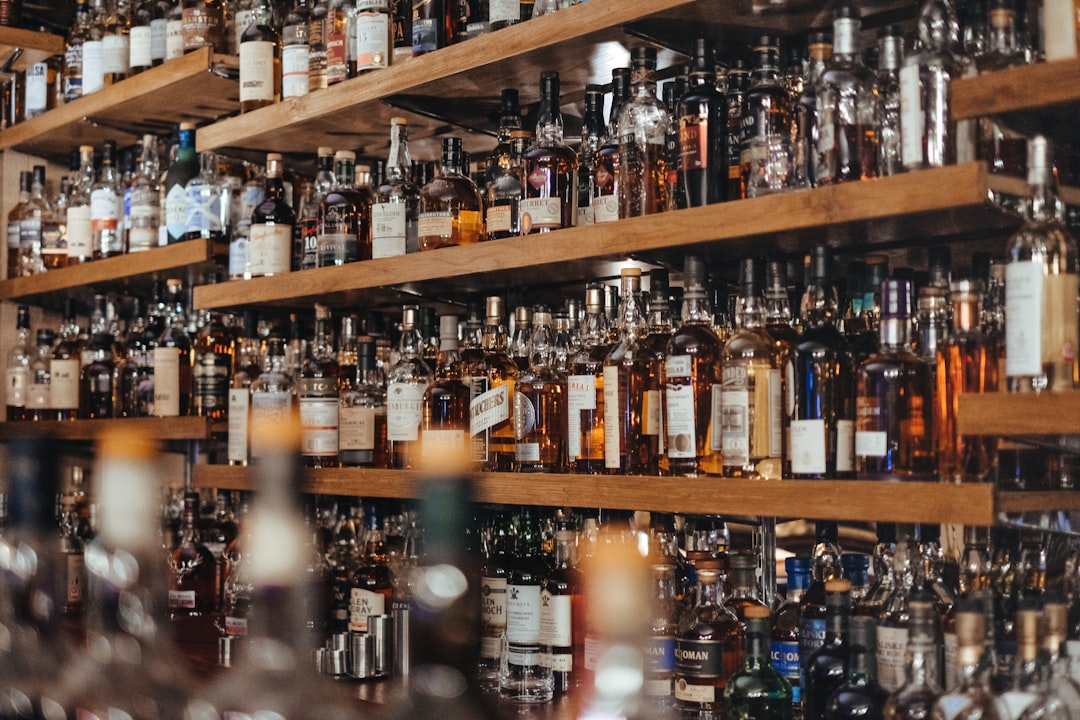
Scottish whisky production began in the 15th century, with the earliest documented reference appearing in 1494 when King James IV issued a license to monk John Cor for producing “aqua vitae” (water of life). This primitive spirit was distilled from barley and aged in wooden containers, forming the foundation of modern whisky production. During the 18th century, whisky manufacturing expanded throughout Scotland as numerous distilleries were established.
The Excise Act of 1823 represented a crucial turning point by legalizing distillation while implementing production taxes. This legislation encouraged legitimate operations and prompted distillers to enhance their production methods, leading to the founding of many established distilleries. The late 19th century witnessed the emergence of blended whisky, which significantly altered the industry landscape.
This development expanded market accessibility and established Scotch whisky’s international reputation. The evolution from small-scale local production to a major economic sector demonstrates whisky’s transformation into both a significant component of Scotland’s economy and a defining element of its cultural heritage.
Key Takeaways
- Scotland’s whisky heritage is rich, with distinct regions producing unique styles.
- Whisky distillation involves careful processes that influence flavor and quality.
- Speyside, Highlands, Islay, and Lowlands each offer diverse whisky experiences.
- Whisky tasting and pairing with Scottish cuisine enhance appreciation of flavors.
- Planning tours and attending festivals provide immersive whisky culture experiences.
The Distillation Process
The distillation process is at the heart of whisky production, transforming raw ingredients into the beloved spirit enjoyed by connoisseurs worldwide. The journey begins with malting, where barley grains are soaked in water and allowed to germinate. This process activates enzymes that convert starches into fermentable sugars.
Once germination is complete, the barley is dried in a kiln, often using peat to impart unique flavors. The dried malt is then ground into a coarse powder known as grist. Next comes mashing, where the grist is mixed with hot water in a mash tun.
This step allows the sugars to dissolve into the liquid, creating a sweet solution called wort. The wort is then transferred to fermentation vessels, where yeast is added. The yeast consumes the sugars, producing alcohol and carbon dioxide over several days.
This fermentation process results in a low-alcohol liquid known as “wash,” which typically contains around 6-8% alcohol by volume (ABV). The wash is then distilled twice in pot stills, where it undergoes heating and cooling to separate alcohol from impurities. The first distillation produces “low wines,” which are then distilled again to create the final spirit, known as “new make spirit,” which is typically around 60-70% ABV.
The Different Regions of Whisky Production in Scotland
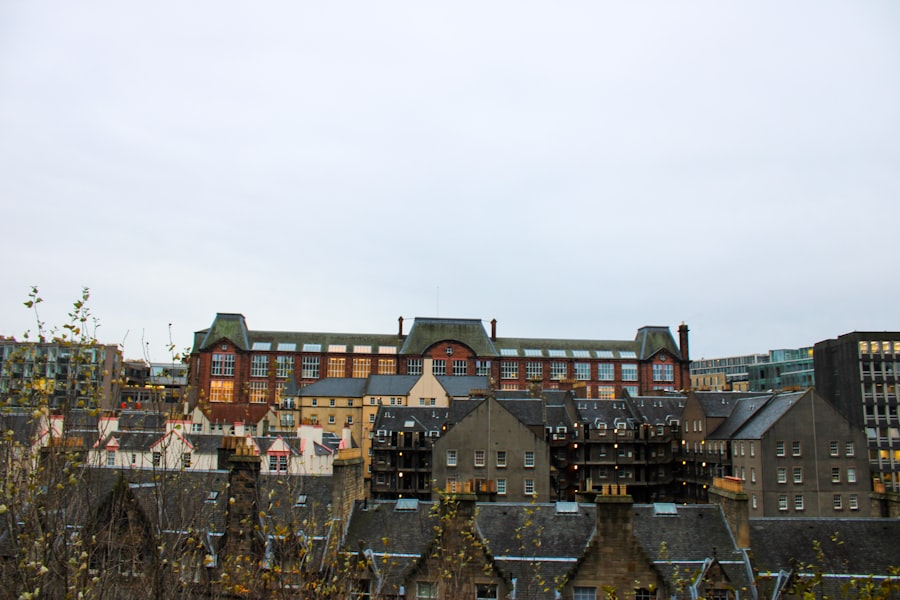
Scotland’s whisky production is characterized by its diverse regions, each contributing distinct flavors and characteristics to the final product. The country is divided into several key whisky-producing areas: Speyside, Islay, the Highlands, the Lowlands, and Campbeltown. Each region’s unique climate, geography, and local traditions influence the style and taste of its whiskies.
Speyside is renowned for its high concentration of distilleries and is often considered the heart of Scotch whisky production. The region’s whiskies are typically characterized by their sweetness and fruitiness, with notes of apple, pear, and honey. Notable distilleries such as Glenfiddich and Macallan have helped establish Speyside’s reputation for quality.
In contrast, Islay whiskies are known for their bold, peaty flavors and maritime influences. Distilleries like Laphroaig and Ardbeg produce spirits that are often described as smoky and briny, reflecting the island’s rugged landscape. The Highlands encompass a vast area with diverse climates and terrains, resulting in a wide range of whisky styles.
From the light and floral whiskies of the northern Highlands to the rich and robust expressions found in the southern regions, this area offers something for every palate. The Lowlands produce lighter whiskies that are often more approachable for newcomers to Scotch. Finally, Campbeltown, once a thriving whisky hub, now boasts only a handful of distilleries but is known for its complex and maritime-influenced whiskies.
Visiting the Famous Whisky Distilleries in Speyside
Speyside is home to some of the most famous distilleries in Scotland, making it a must-visit destination for whisky enthusiasts. A tour through this picturesque region offers not only an opportunity to sample exceptional whiskies but also to immerse oneself in the history and craftsmanship behind each bottle. Glenfiddich Distillery, one of the most visited distilleries in Scotland, provides an engaging experience with guided tours that showcase its traditional methods and innovative practices.
Visitors can explore the malting floors, fermentation rooms, and maturation warehouses while learning about Glenfiddich’s commitment to quality. Another iconic distillery in Speyside is The Macallan, renowned for its premium single malts aged in sherry-seasoned oak casks. The Macallan’s visitor center features stunning architecture and offers immersive experiences that delve into the brand’s heritage and production techniques.
Guests can participate in tastings that highlight the influence of cask selection on flavor profiles. Additionally, other notable distilleries such as Aberlour and Balvenie provide unique insights into their respective processes and philosophies, making Speyside a treasure trove for whisky lovers seeking to deepen their appreciation for Scotch.
Exploring the Distilleries in the Highlands
| Distillery Name | Region | Year Established | Annual Production (Liters) | Famous Whisky |
|---|---|---|---|---|
| Glenfiddich | Speyside | 1887 | 13,000,000 | Glenfiddich 12 Year Old |
| Lagavulin | Islay | 1816 | 2,000,000 | Lagavulin 16 Year Old |
| Macallan | Speyside | 1824 | 6,000,000 | Macallan Sherry Oak 12 Year Old |
| Talisker | Island (Skye) | 1830 | 1,500,000 | Talisker 10 Year Old |
| Highland Park | Island (Orkney) | 1798 | 1,200,000 | Highland Park 12 Year Old |
| Ardbeg | Islay | 1815 | 1,000,000 | Ardbeg 10 Year Old |
| Oban | Highland | 1794 | 800,000 | Oban 14 Year Old |
The Highlands region presents an expansive landscape dotted with distilleries that each tell their own story through their whiskies. A visit to this area reveals not only breathtaking scenery but also a diverse array of flavors that reflect the local terroir. One standout distillery is Oban, located on the west coast near the town of the same name.
Oban’s whiskies are characterized by their rich maritime influence and subtle smokiness, making them distinct within the Highland category. The distillery offers guided tours that provide insight into its traditional methods while allowing visitors to sample its signature expressions. Another notable Highland distillery is Dalmore, celebrated for its rich and complex single malts aged in sherry casks.
The Dalmore Distillery features an impressive visitor center where guests can learn about its storied history dating back to 1839. Tours often include tastings of rare bottlings that showcase the depth of flavor achieved through meticulous aging processes. Glenmorangie is yet another gem in the Highlands known for its elegant and floral whiskies.
Its state-of-the-art distillation techniques and innovative cask finishes have garnered international acclaim. Exploring these distilleries provides an opportunity to appreciate not only the craftsmanship behind each bottle but also the stunning landscapes that inspire them.
Discovering the Unique Flavors of Islay Whiskies
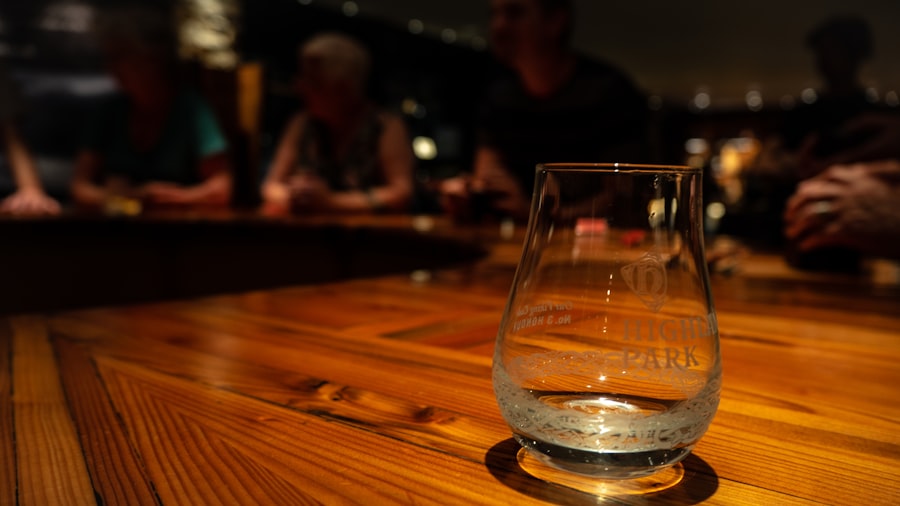
Islay whiskies are renowned for their distinctive character, often described as bold and complex due to their heavy peat influence and maritime qualities. The island’s unique geography—surrounded by ocean waters—imparts briny notes that complement the smoky flavors derived from peat fires used during malting. Distilleries such as Laphroaig have become synonymous with Islay’s signature style; their expressions are often characterized by intense peat smoke combined with medicinal notes and hints of seaweed.
Another iconic Islay distillery is Ardbeg, celebrated for producing some of the peatiest whiskies available on the market today. Ardbeg’s commitment to traditional methods combined with innovative experimentation has resulted in a range of expressions that captivate both seasoned enthusiasts and newcomers alike. Visitors to Islay can explore these distilleries through guided tours that offer tastings of various expressions while providing insights into each distillery’s unique approach to production.
Lagavulin is yet another hallmark of Islay whisky culture; its rich and smoky profile has garnered a loyal following over generations. The distillery’s picturesque location near Port Ellen adds to its allure, making it a popular stop for whisky tourists seeking an authentic experience on this storied island. Each sip of Islay whisky tells a story steeped in tradition and craftsmanship, inviting drinkers to explore its multifaceted flavors.
A Tour of the Lowland Distilleries
The Lowlands region offers a refreshing contrast to Scotland’s more robust whisky styles found elsewhere in the country. Known for producing lighter and more delicate whiskies, Lowland distilleries often appeal to those new to Scotch or those seeking a more approachable dram. One prominent distillery in this region is Auchentoshan, famous for its triple-distillation process that results in smooth and floral spirits with notes of citrus and vanilla.
Another notable Lowland distillery is Glenkinchie, located just outside Edinburgh. Glenkinchie’s whiskies are characterized by their lightness and elegance, often featuring grassy notes alongside hints of stone fruits. Visitors can enjoy guided tours that provide insights into both traditional practices and modern innovations within these distilleries while sampling expressions that showcase their unique profiles.
The Lowlands also boast several smaller craft distilleries that have emerged in recent years, contributing to a renaissance in Scottish whisky production. These establishments often focus on artisanal methods and local ingredients, resulting in distinctive offerings that reflect their surroundings. Exploring these lesser-known gems can provide an enriching experience for those looking to expand their palate beyond mainstream brands.
The Art of Whisky Tasting
Whisky tasting is an art form that requires both knowledge and appreciation for the complexities inherent in each dram. To fully enjoy whisky, one must engage all senses—sight, smell, taste—and take time to savor each element before reaching conclusions about flavor profiles or quality. When tasting whisky, it’s essential first to observe its color; hues can range from pale straw to deep amber depending on age and cask type used during maturation.
Next comes nosing—the act of inhaling aromas from the glass—which can reveal an array of scents ranging from fruity esters to spicy oak notes or even earthy peat characteristics depending on origin. Swirling gently allows volatile compounds to release more fully into the air; taking small sips helps identify flavors on different parts of your palate while also noting texture or mouthfeel. As you taste different expressions side by side—perhaps comparing an Islay single malt against one from Speyside—you may begin identifying regional characteristics or specific cask influences at play within each dram’s profile.
Engaging with knowledgeable guides during tastings can enhance this experience further by providing context around production methods or historical significance behind particular brands.
Pairing Whisky with Scottish Cuisine
Pairing whisky with food can elevate both experiences significantly; understanding how flavors interact allows for delightful culinary adventures rooted deeply within Scottish traditions. Classic pairings include rich meats such as haggis or venison served alongside robust Highland whiskies that complement their hearty nature while enhancing savory notes present within dishes themselves. Seafood lovers may find joy pairing lighter Lowland expressions with fresh catches like smoked salmon or shellfish; these delicate flavors harmonize beautifully without overpowering one another—creating balance on your palate while showcasing regional specialties found throughout Scotland’s coastal areas.
Desserts also offer exciting opportunities for pairing; consider enjoying a dram alongside traditional Scottish shortbread or sticky toffee pudding—where sweetness meets warmth from oak-aged spirits—creating an indulgent finale after any meal! Exploring these combinations not only enhances appreciation for both food and drink but also deepens understanding of how culture shapes culinary practices across Scotland.
The Best Whisky Festivals and Events in Scotland
Scotland hosts numerous whisky festivals throughout the year that celebrate this beloved spirit while bringing together enthusiasts from around the globe. One prominent event is the Spirit of Speyside Whisky Festival held annually in May; this week-long celebration features tastings at various distilleries across Speyside along with masterclasses led by industry experts—providing attendees with unique insights into production techniques while sampling rare bottlings. Another notable festival is Islay Whisky Festival (Fèis Ìle), which takes place each spring on Islay Island itself; this event showcases local distilleries through tastings paired with traditional music performances—creating an immersive experience steeped in culture while highlighting regional craftsmanship behind each dram produced there.
The Edinburgh Whisky Festival also draws crowds eager to explore diverse offerings from both established brands as well as emerging craft producers; attendees can participate in guided tastings or workshops designed to deepen their understanding of various styles available within Scotland’s rich whisky landscape—making it an essential stop for any serious enthusiast visiting during festival season!
Tips for Planning a Whisky Tour in Scotland
Planning a whisky tour in Scotland requires careful consideration to ensure an enriching experience filled with memorable moments along your journey through this iconic landscape steeped in tradition! Start by researching different regions based on personal preferences—whether you’re drawn towards peaty Islay expressions or lighter Lowland styles—this will help narrow down which distilleries align best with your interests. Consider booking tours ahead of time; many popular distilleries offer limited slots due to high demand during peak seasons—especially around festivals!
Additionally, look into transportation options; renting a car provides flexibility when exploring remote areas but consider joining guided tours if you prefer not having to navigate unfamiliar roads after enjoying tastings! Lastly, don’t forget about local cuisine! Pairing meals with your chosen drams enhances appreciation for both food culture while deepening connections between flavors present within each dish served alongside your favorite whiskies—creating lasting memories throughout your adventure across Scotland’s stunning landscapes!
Scotland is renowned for its whisky distilleries, each offering a unique glimpse into the art of whisky production. For those interested in exploring the various ways to enjoy this iconic spirit, you might find the article on how to drink whisky particularly insightful. It provides tips on savoring the flavors and aromas of whisky, enhancing your appreciation for the craftsmanship behind each bottle.
FAQs
What is a whisky distillery?
A whisky distillery is a facility where whisky is produced through the processes of fermentation, distillation, and maturation. It typically includes equipment such as mash tuns, washbacks, pot stills, and warehouses for aging the whisky.
How many whisky distilleries are there in Scotland?
As of recent counts, Scotland has over 130 licensed whisky distilleries, making it one of the largest producers of whisky in the world.
What are the main whisky-producing regions in Scotland?
The main whisky-producing regions in Scotland are Speyside, Highlands, Islay, Lowlands, Campbeltown, and the Islands. Each region is known for distinct styles and flavors of whisky.
What types of whisky are produced in Scotland?
Scotland primarily produces single malt whisky, single grain whisky, blended malt whisky, blended grain whisky, and blended Scotch whisky. Single malt whisky is made from malted barley at a single distillery, while blended whiskies combine different types.
How long is Scotch whisky aged?
By law, Scotch whisky must be aged in oak casks for a minimum of three years. Many distilleries age their whisky for much longer to develop more complex flavors.
Can visitors tour whisky distilleries in Scotland?
Yes, many Scottish whisky distilleries offer guided tours and tastings to visitors. These tours provide insight into the whisky-making process and the history of the distillery.
What is the significance of peat in Scottish whisky?
Peat is used in some Scottish whisky production to dry malted barley, imparting a smoky flavor characteristic of certain regional styles, especially those from Islay and parts of the Highlands.
Are all Scottish whiskies called Scotch?
Yes, whisky produced in Scotland following specific regulations is legally known as Scotch whisky or simply Scotch.
What regulations govern whisky production in Scotland?
Scotch whisky production is regulated by UK law and the Scotch Whisky Regulations, which define production methods, geographical boundaries, aging requirements, and labeling standards to ensure quality and authenticity.
How does the climate in Scotland affect whisky production?
Scotland’s cool and humid climate influences the maturation process, allowing whisky to age slowly and develop complex flavors over time. The climate also affects the choice of casks and storage conditions.