-
Exploring Whisky Tourism in Scotland
The history of whisky in Scotland is a rich tapestry woven through centuries of tradition, culture, and craftsmanship. The earliest records of whisky production date back to the 15th century, with the first written mention appearing in 1494, when King James IV granted a license to a monk named John Cor, allowing him to produce…
-
Revitalizing Scotland’s Whisky Industry
Scotland’s whisky industry is a cornerstone of the nation’s cultural heritage and economic landscape. Renowned globally for its distinctive flavors and craftsmanship, Scotch whisky is not merely a beverage; it embodies centuries of tradition, artistry, and regional diversity. The industry is characterized by its adherence to strict regulations that define what constitutes Scotch whisky, ensuring…
-
Exploring Scotland’s Whisky Regions
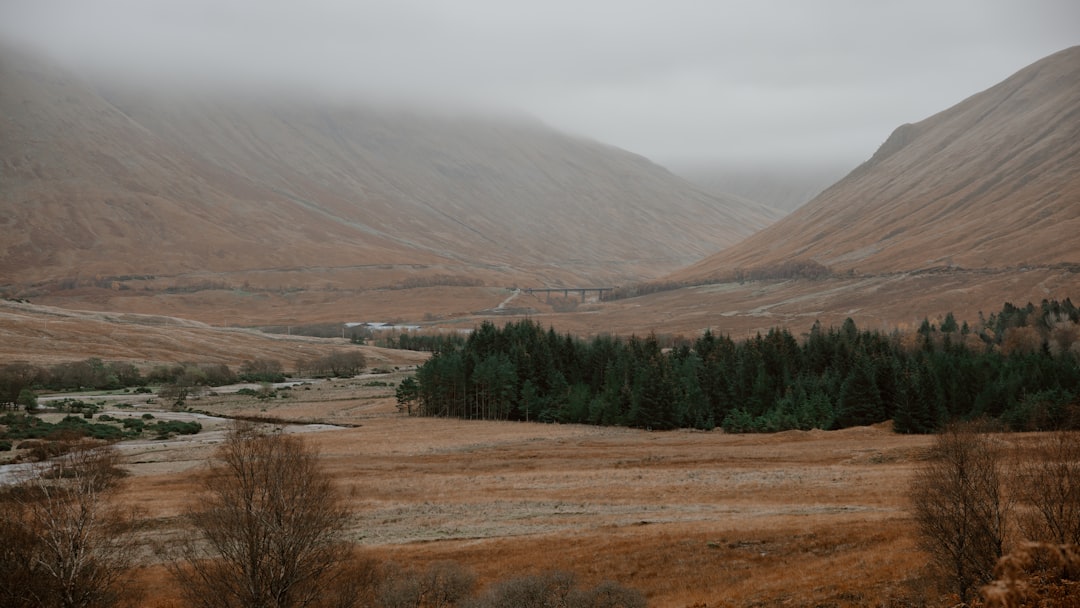
Scotland is globally recognized for whisky production, with the spirit serving as a defining element of Scottish culture. The country contains seven distinct whisky-producing regions: Lowlands, Highlands, Speyside, Islay, Campbeltown, the Islands, and the Borders. Each region produces whiskies with distinctive characteristics influenced by local environmental factors. Scotland’s varied geography significantly impacts whisky production across…
-
Exploring Scotland’s Whisky Regions
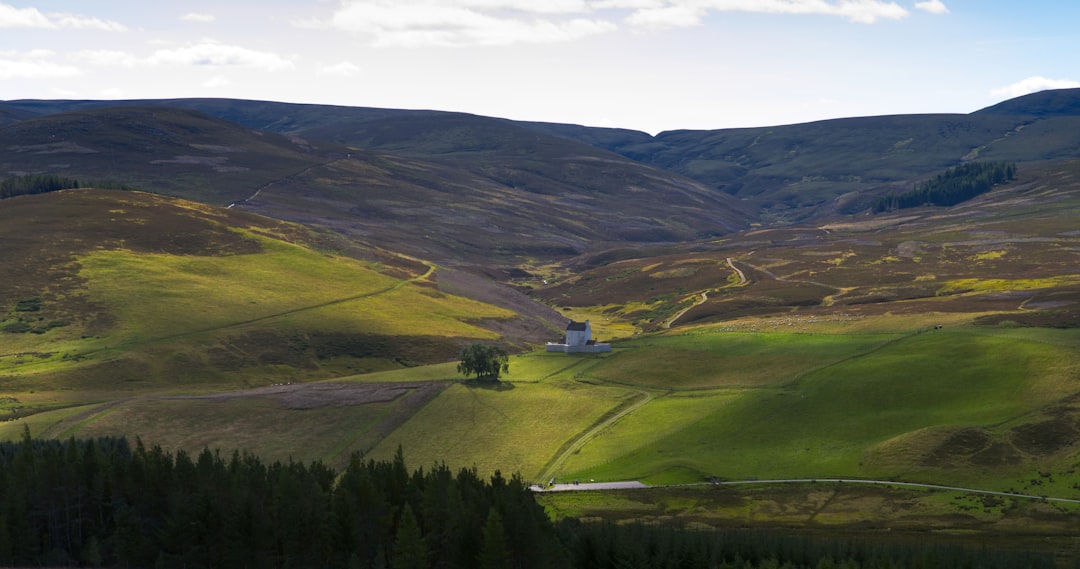
Scotland produces whisky that has become integral to the country’s cultural identity and economic heritage. Whisky production in Scotland follows established methods that have developed over centuries, with distinct regional variations influenced by geographical location, climate conditions, and available natural resources. The flavor profiles range from the light, floral characteristics typical of Lowland whiskies to…
-
The Art of Whisky Aging: From Barrel to Bottle
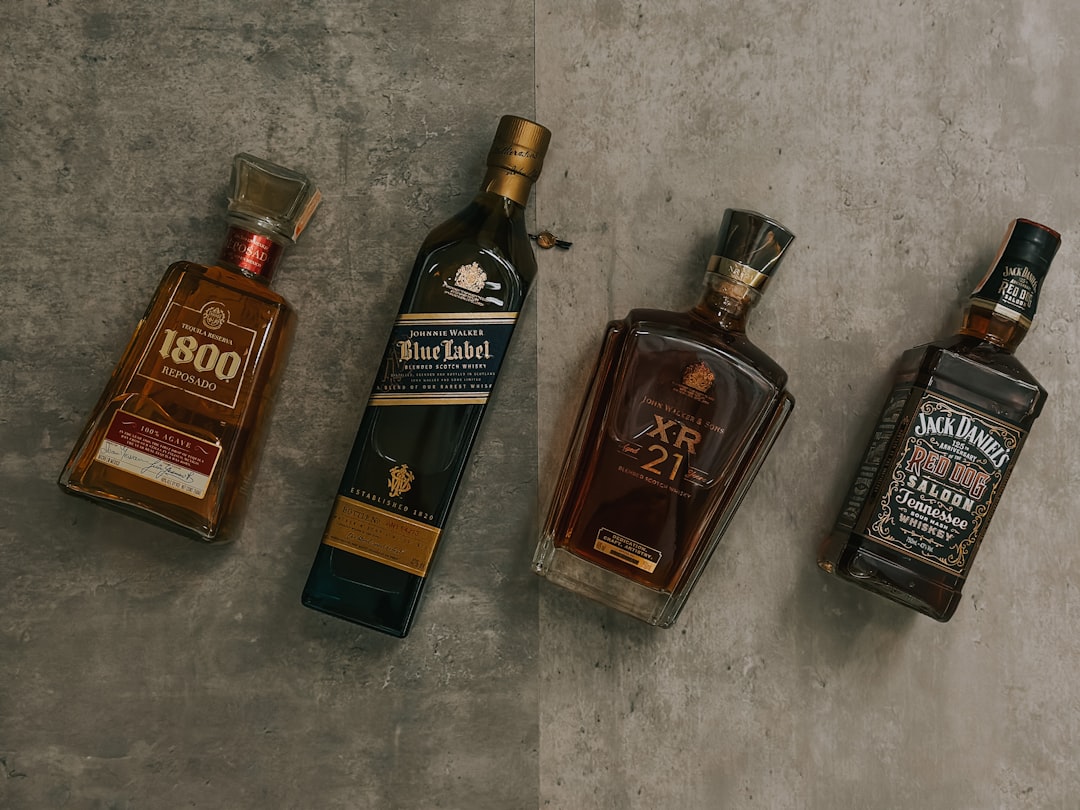
Whisky aging involves the maturation of distilled spirit in wooden barrels, typically made from oak, where chemical and physical processes develop the beverage’s final characteristics. During aging, the clear distillate undergoes oxidation, extraction of compounds from the wood, and evaporation of alcohol and water through the barrel walls. These processes contribute to flavor development, color…
-
The Art of Whisky Aging: From Barrel to Bottle
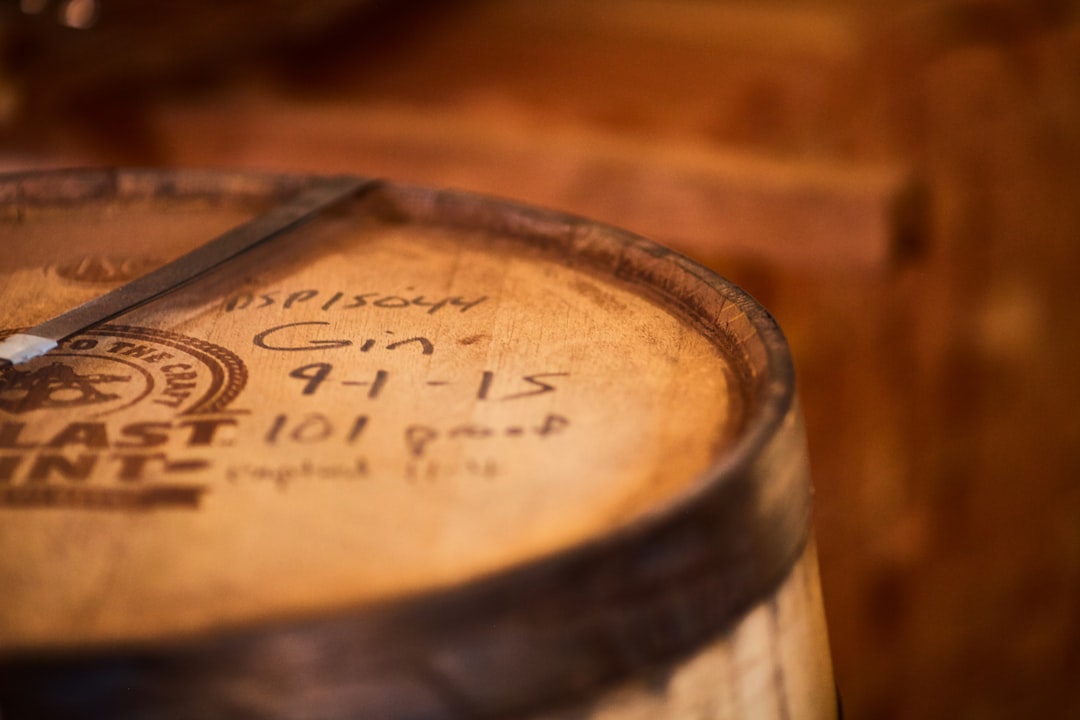
Aging whisky is a critical process that significantly influences its flavor, aroma, and overall character. The maturation period allows the spirit to interact with the wood of the barrel, leading to a complex transformation that can enhance its qualities. During this time, various chemical reactions occur, resulting in the development of desirable flavors and aromas…
-
Exploring the Rich and Smoky Whisky Tasting Notes
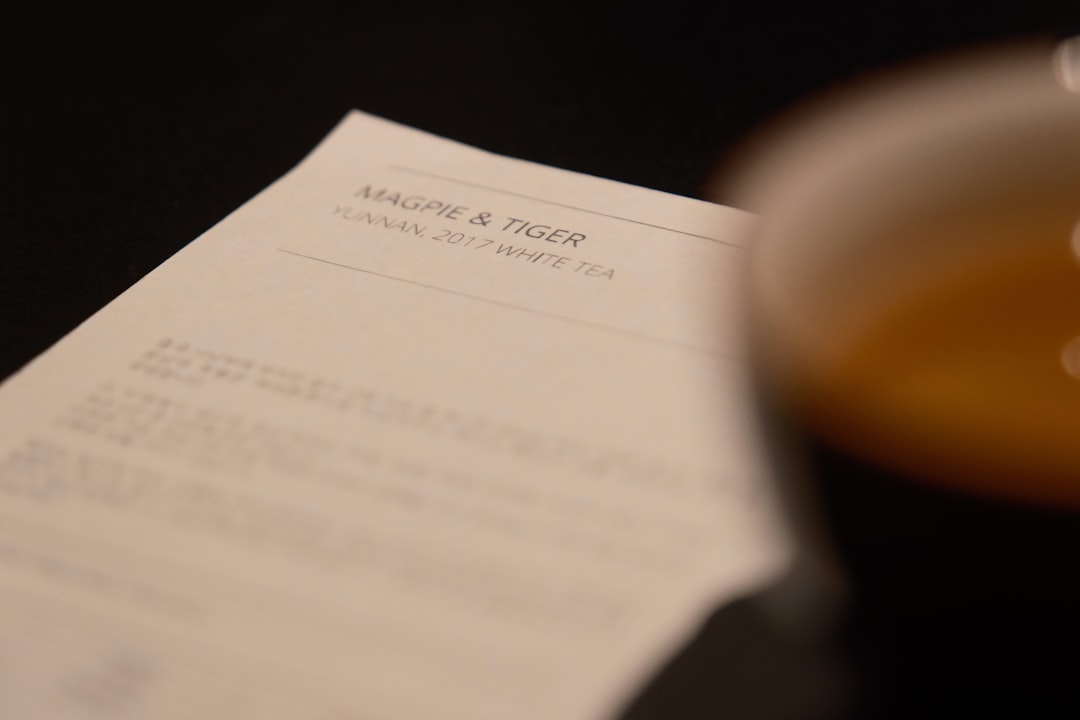
Whisky tasting notes provide a standardized framework for documenting and communicating the sensory characteristics of different whiskies. These notes systematically record observations across four primary categories: appearance, aroma, palate, and finish. Professional tasters and consumers use this methodology to evaluate how factors such as grain selection, distillation techniques, barrel type, and aging duration influence the…
-
Exploring the Rich Flavors of Whisky: A Tasting Journey – Notes of smoky peat, caramel, and dried fruit with a hint of vanilla and a lingering warmth on the finish.
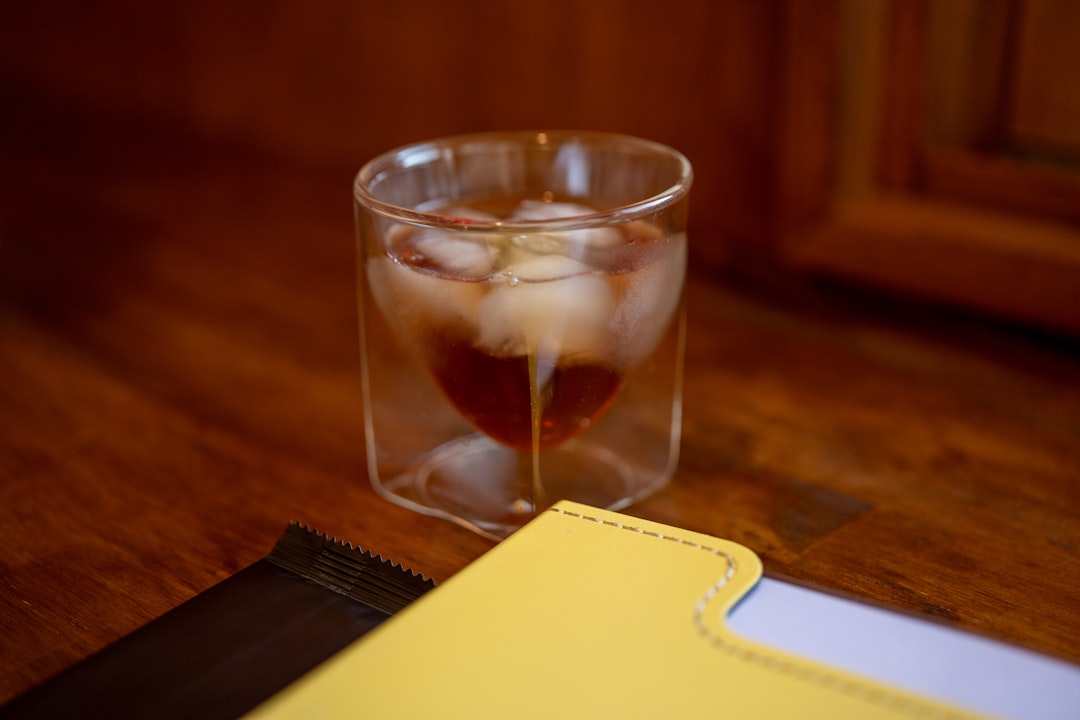
Whisky tasting is a systematic sensory evaluation that engages multiple senses to assess the spirit’s characteristics. The process begins with visual assessment, examining the whisky’s color, clarity, and viscosity. Darker amber colors typically indicate longer aging periods or sherry cask maturation, while lighter straw colors suggest younger spirits or bourbon barrel aging. The “legs” that…
-
The Art of Whisky Making: From Mash to Bottle
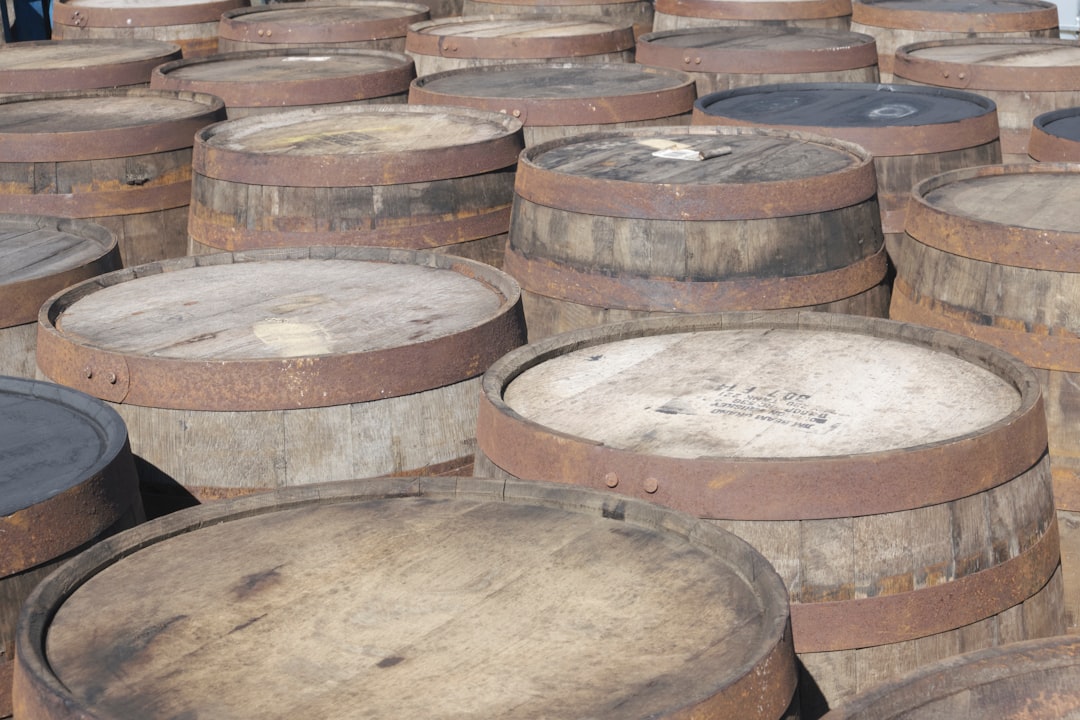
The origins of whisky can be traced back to ancient civilizations, with the earliest records suggesting that distillation techniques were developed in Mesopotamia around 2000 BCE. However, the spirit that we recognize today as whisky began to take shape in the early medieval period, particularly in Ireland and Scotland. The word “whisky” itself is derived…
-
Unveiling the Art of Whisky Making
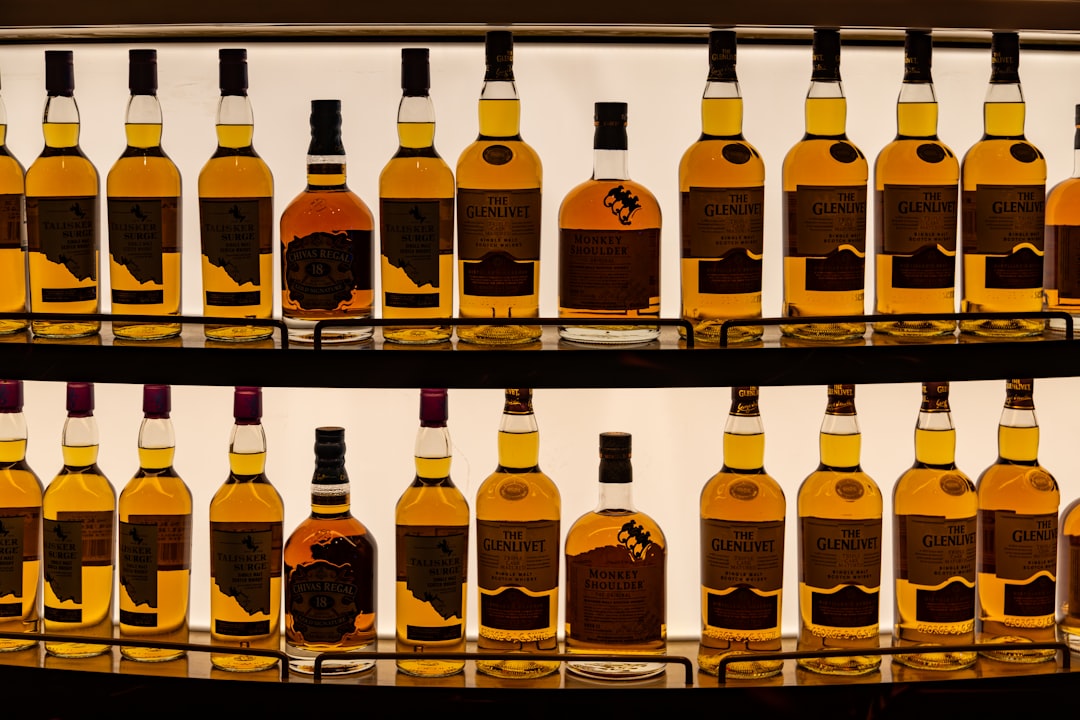
The origins of whisky can be traced back to the early medieval period, with the first documented evidence appearing in the 15th century. The word “whisky” derives from the Gaelic term “uisge beatha,” meaning “water of life.” The earliest records of whisky production come from Ireland and Scotland, where monks developed distillation techniques. These religious…