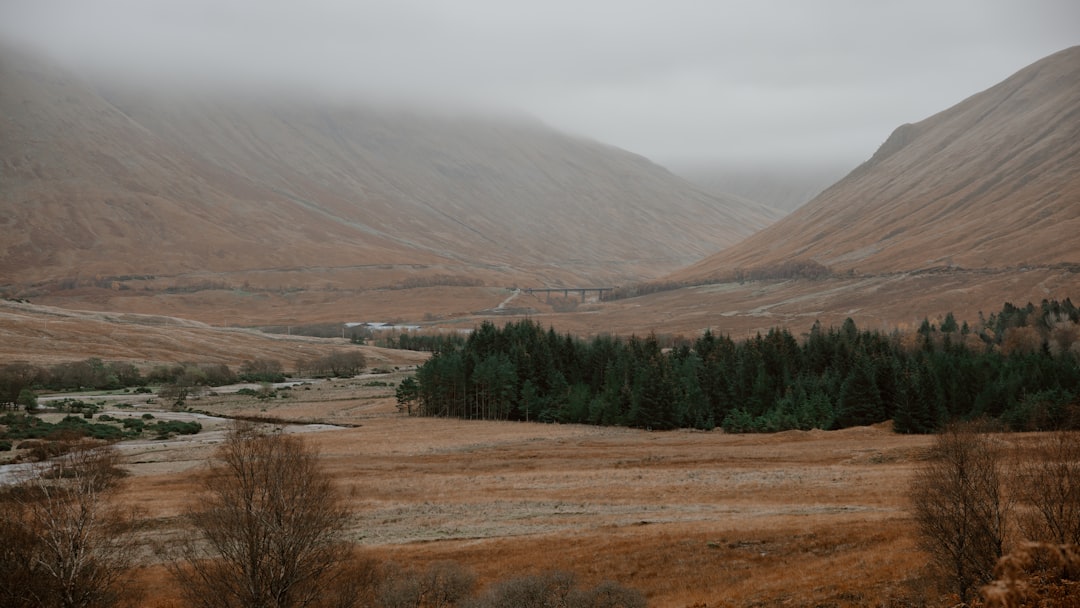
Scotland is globally recognized for whisky production, with the spirit serving as a defining element of Scottish culture. The country contains seven distinct whisky-producing regions: Lowlands, Highlands, Speyside, Islay, Campbeltown, the Islands, and the Borders. Each region produces whiskies with distinctive characteristics influenced by local environmental factors.
Scotland’s varied geography significantly impacts whisky production across regions. Climate conditions, soil composition, and water sources create distinct flavor profiles that reflect each area’s natural environment. These geographical factors contribute to the diversity found in Scottish whisky production.
Scottish whisky production dates to the 15th century, with documented evidence of distillation practices from this period. The industry has developed over approximately 500 years, during which time production methods have been refined while maintaining traditional techniques. Many contemporary distilleries continue to employ historical production methods that have been transmitted across generations.
The combination of regional environmental factors and traditional production techniques results in the variety of whiskies produced throughout Scotland. Each region’s distilleries operate within these parameters to create spirits that reflect both their geographical location and historical production practices.
Key Takeaways
- Scotland’s whisky regions each offer distinct flavor profiles influenced by geography and tradition.
- The Lowlands produce light, floral whiskies, while the Highlands are known for diverse and robust flavors.
- Speyside is the central hub of Scotch whisky production, famous for its smooth and sweet whiskies.
- Islay whiskies are characterized by their strong peat smoke, and Campbeltown has a rich historic whisky heritage.
- The Islands and Borders regions provide unique maritime and emerging whisky styles, enhancing Scotland’s whisky diversity.
The Lowlands: Light and Floral Whiskies
The Lowlands region is often regarded as the gateway to Scotch whisky, known for producing some of the lightest and most floral expressions. Located in the southern part of Scotland, this region benefits from a milder climate and fertile soil, which contribute to the delicate flavors found in its whiskies. The Lowlands are characterized by their gentle rolling hills and lush landscapes, which provide an ideal environment for barley cultivation.
Distilleries in this region often emphasize a lighter style, making their whiskies approachable for newcomers to Scotch. One of the hallmark features of Lowland whiskies is their floral and grassy notes. These spirits often exhibit aromas reminiscent of wildflowers, fresh herbs, and citrus fruits.
For instance, Auchentoshan, one of the most renowned distilleries in the Lowlands, produces a triple-distilled whisky that showcases these characteristics beautifully. Their Classic expression is known for its smoothness and hints of lemon zest and vanilla, making it an excellent choice for those who prefer a gentler dram. Another notable distillery is Glenkinchie, which offers a range of whiskies that highlight the region’s signature lightness while incorporating subtle spice and oak influences.
The Highlands: Diverse and Robust Flavors
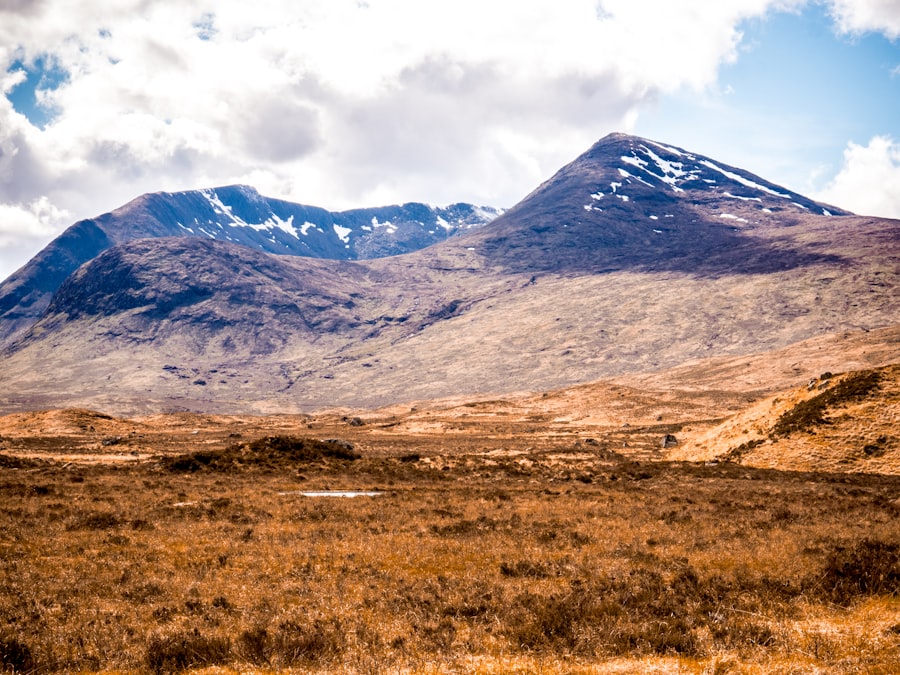
In stark contrast to the Lowlands, the Highlands region is vast and varied, encompassing a wide range of landscapes from rugged mountains to serene lochs. This geographical diversity translates into an equally diverse array of whisky styles. The Highlands are home to some of Scotland’s most iconic distilleries, each producing whiskies that reflect their unique terroir.
The flavor profiles can range from rich and robust to light and floral, making this region a treasure trove for whisky lovers seeking complexity. One of the defining characteristics of Highland whiskies is their boldness. Many expressions feature rich sherry cask influences, resulting in flavors of dried fruits, chocolate, and spices.
For example, Oban distillery produces a whisky that embodies the maritime influence of its coastal location while also showcasing a rich maltiness and a hint of smoke. Similarly, Dalmore is known for its luxurious whiskies that often carry notes of dark chocolate and orange zest due to extensive aging in sherry casks. The Highland region’s diversity means that there is something for everyone; whether one prefers a peaty dram or a sweeter profile, the Highlands deliver an impressive range of options.
Speyside: The Heart of Scotch Whisky Production
Nestled within the Highlands lies Speyside, often referred to as the heart of Scotch whisky production. This small but significant region boasts the highest concentration of distilleries in Scotland, with over half of the country’s total whisky production occurring here. Speyside’s unique geography—characterized by its river valleys and fertile land—provides ideal conditions for barley cultivation and water sourcing.
The River Spey itself is renowned for its purity and mineral content, which greatly influences the flavor profiles of the whiskies produced in this area. Speyside whiskies are typically known for their sweetness and complexity. They often feature notes of honey, fruitcake, and vanilla, making them particularly appealing to those who enjoy softer flavors.
A prime example is Glenfiddich, one of the most famous distilleries in Speyside. Their 12-Year-Old expression is celebrated for its smoothness and notes of pear and oak. Another notable distillery is Macallan, which produces rich whiskies with deep sherry influences that impart flavors of dried fruits and spices.
The emphasis on craftsmanship and quality in Speyside has solidified its reputation as a premier whisky-producing region.
Islay: Peaty and Smoky Whiskies
| Region | Number of Distilleries | Flavor Profile | Notable Distilleries | Typical Whisky Characteristics |
|---|---|---|---|---|
| Speyside | 50+ | Fruity, Sweet, Rich | Glenfiddich, Macallan, Glenlivet | Light, smooth, often with apple, pear, honey notes |
| Highlands | 30+ | Varied: Floral, Peaty, Spicy | Dalmore, Glenmorangie, Oban | Full-bodied, sometimes smoky, with heather and spice |
| Islay | 8 | Peaty, Smoky, Maritime | Laphroaig, Ardbeg, Lagavulin | Strong peat smoke, seaweed, iodine, medicinal notes |
| Lowlands | 5 | Light, Fresh, Floral | Auchentoshan, Glenkinchie | Delicate, grassy, citrus, and floral aromas |
| Campbeltown | 3 | Salty, Briny, Complex | Springbank, Glen Scotia | Full-flavored, slightly smoky, with maritime influence |
| Islands (not official region) | 10+ | Varied: Peaty, Salty, Sweet | Talisker (Skye), Highland Park (Orkney) | Often peaty with maritime and sweet notes |
Islay is perhaps one of the most iconic whisky regions in Scotland, renowned for its bold and distinctive peaty whiskies. Located off the west coast of Scotland, Islay’s rugged landscape and coastal climate contribute to the unique character of its spirits. The island’s abundant peat bogs are harvested for malting barley, imparting intense smoky flavors that define many Islay whiskies.
This region has a passionate following among whisky aficionados who appreciate its unapologetically robust profiles. The flavor spectrum of Islay whiskies is dominated by peat smoke, brine, and maritime influences. Laphroaig is one of the most celebrated distilleries on the island, known for its heavily peated expressions that evoke flavors of medicinal herbs and seaweed alongside intense smoke.
Their Quarter Cask expression exemplifies this style with its rich complexity and lingering finish. Another notable distillery is Ardbeg, which produces some of the peatiest whiskies available; their Uigeadail expression combines smoky notes with sherry sweetness for a truly unique experience. Islay’s commitment to traditional methods ensures that each bottle captures the essence of its rugged environment.
Campbeltown: A Historic Whisky Region
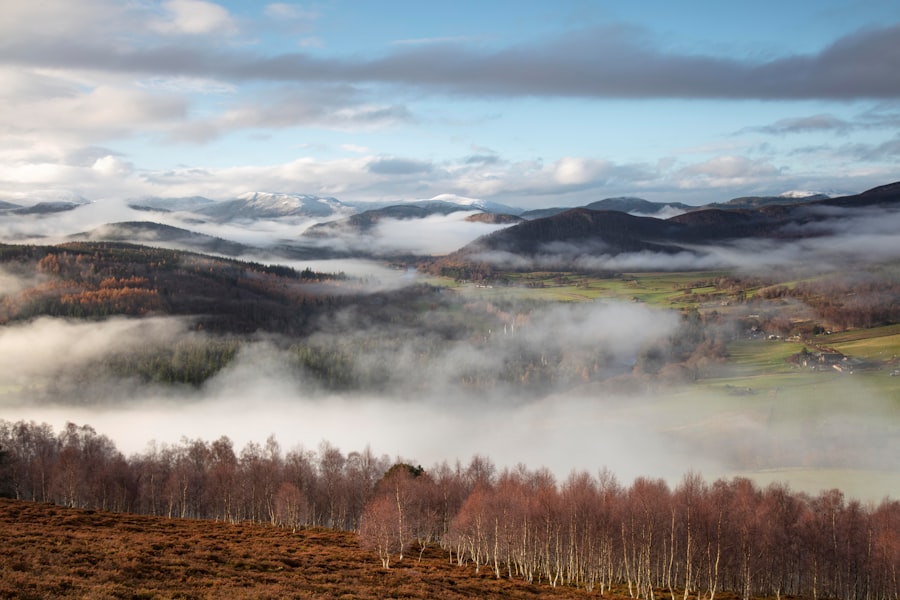
Once a thriving center for whisky production in Scotland, Campbeltown has seen a decline in distilleries over the years but remains an essential part of Scotland’s whisky heritage. Located on the Kintyre Peninsula, Campbeltown was once home to over 30 distilleries during its peak in the late 19th century. Today, only a handful remain operational; however, these distilleries continue to produce exceptional whiskies that reflect the region’s storied past.
Campbeltown whiskies are known for their complexity and distinctive maritime character. They often exhibit flavors that combine briny notes with rich maltiness and subtle smoke. Springbank distillery is perhaps the most famous producer in this region; their expressions are celebrated for their traditional production methods and unique flavor profiles.
The Springbank 15-Year-Old offers a harmonious balance of sherry sweetness and coastal brine that exemplifies what Campbeltown whiskies can achieve. Another notable distillery is Glen Scotia, which produces a range of expressions that showcase both fruity sweetness and earthy undertones.
The Islands: Unique Maritime Influence on Whisky
The Islands represent a diverse group of islands off Scotland’s west coast, each contributing its own unique character to whisky production. This region encompasses several islands such as Skye, Orkney, and Jura, each with distinct geographical features that influence their spirits. The Islands are known for their maritime climate, which imparts briny notes and complexity to many whiskies produced here.
Whiskies from the Islands can vary widely in flavor profile but often feature a combination of sweetness and saltiness due to their coastal origins. Talisker distillery on Skye is one of the most prominent producers in this region; their signature expression showcases a balance of peat smoke with maritime salinity and peppery spice. Another noteworthy distillery is Highland Park on Orkney, which produces whiskies that blend heather honey sweetness with subtle smoke—a reflection of its unique island environment.
The Islands’ diverse offerings make them an exciting area for exploration among whisky enthusiasts.
The Borders: Emerging Whisky Region
The Borders region has historically been overshadowed by Scotland’s more established whisky areas but has recently begun to emerge as a noteworthy producer in its own right. Located in southern Scotland near the English border, this area boasts a rich agricultural heritage that includes barley farming—an essential component for whisky production. While fewer distilleries operate here compared to other regions, those that do are committed to crafting high-quality spirits that reflect their local terroir.
Whiskies from the Borders tend to be characterized by their smoothness and approachability. They often feature fruity notes alongside gentle spice and oak influences. One notable distillery making waves in this emerging region is The Borders Distillery in Melrose; their single malt expressions showcase a balance between traditional craftsmanship and modern innovation.
As more distilleries begin to establish themselves in this area, it is likely that the Borders will gain recognition for its unique contributions to Scotland’s whisky landscape.
Exploring the Distilleries in Each Region
Each whisky region in Scotland boasts a plethora of distilleries that offer visitors an opportunity to explore their unique processes and products firsthand. Distillery tours provide insight into traditional methods such as malting, mashing, fermentation, distillation, and maturation—all essential steps in creating Scotch whisky. Many distilleries also offer tastings where guests can sample various expressions while learning about flavor profiles specific to their region.
In the Lowlands, visitors can tour Auchentoshan or Glenkinchie to experience firsthand how these distilleries produce their light and floral whiskies. In contrast, Highland distilleries like Oban or Dalmore offer tours that highlight their robust flavor profiles through guided tastings paired with local delicacies. Speyside’s numerous distilleries such as Glenfiddich or Macallan provide immersive experiences showcasing their craftsmanship while allowing guests to appreciate the nuances of Speyside whiskies.
Islay’s distilleries like Laphroaig or Ardbeg invite visitors to explore their heavily peated offerings while enjoying stunning coastal views—a perfect backdrop for tasting these bold spirits. Campbeltown’s Springbank offers an intimate experience where guests can witness traditional production methods up close while sampling their complex whiskies. Each visit provides an opportunity not only to taste but also to understand what makes each region’s whisky so special.
Tasting and Pairing Whiskies from Different Regions
Tasting whiskies from different regions allows enthusiasts to appreciate the diverse flavor profiles that Scotland has to offer. When exploring various expressions, it can be beneficial to consider food pairings that enhance or complement the characteristics of each whisky. For instance, Lowland whiskies with their light floral notes pair beautifully with seafood dishes or light cheeses; think fresh oysters or goat cheese salad.
Highland whiskies’ robust flavors lend themselves well to heartier fare such as grilled meats or rich stews; pairing Dalmore with venison or lamb can create an unforgettable dining experience. In contrast, Speyside’s sweeter profiles often complement desserts like chocolate tarts or fruit-based pastries; Glenfiddich’s honeyed notes work harmoniously with apple pie or crème brûlée. Islay’s peaty expressions can be challenging but rewarding when paired correctly; consider enjoying Laphroaig alongside smoked salmon or blue cheese for an intriguing contrast between flavors.
Campbeltown’s complex profiles can stand up against rich dishes like braised short ribs or aged cheeses; Springbank’s depth makes it an excellent companion for these bold flavors.
The Rich Tapestry of Scotland’s Whisky Regions
Scotland’s whisky regions present an intricate tapestry woven from history, geography, tradition, and innovation. Each area contributes its own distinct character to the world of Scotch whisky—whether it be through light floral notes from the Lowlands or bold peatiness from Islay—creating an unparalleled diversity that captivates enthusiasts around the globe. As we explore these regions further through tastings and distillery visits, we gain not only an appreciation for craftsmanship but also insight into how place shapes flavor.
The journey through Scotland’s whisky regions is not merely about tasting spirits; it’s about understanding culture—the stories behind each bottle reflect centuries-old traditions passed down through generations while embracing modern techniques that continue to evolve this beloved craft today.
Scotland is renowned for its diverse whisky regions, each offering unique flavors and characteristics that reflect the local environment and traditions. For those looking to deepen their understanding of single malt whisky, a great resource is the article on single malt whisky, which explores the intricacies of this beloved spirit and highlights the distinct profiles of various Scottish regions. Whether you’re a seasoned connoisseur or a curious newcomer, this article provides valuable insights into the world of whisky.
FAQs
What are the main whisky regions in Scotland?
Scotland’s main whisky regions include Speyside, Highlands, Islay, Lowlands, Campbeltown, and the Islands. Each region is known for distinct styles and flavors of Scotch whisky.
What characterizes Speyside whiskies?
Speyside whiskies are typically known for their sweet, fruity, and elegant flavors. This region has the highest concentration of distilleries in Scotland and is famous for producing smooth and approachable single malts.
How do Islay whiskies differ from other regions?
Islay whiskies are renowned for their strong peaty and smoky flavors, often with maritime notes due to the island’s coastal environment. They tend to be bold and intense compared to whiskies from other regions.
What is unique about Highland whiskies?
Highland whiskies are diverse in style but generally have a robust and full-bodied character. The region covers a large area, so flavors can range from light and floral to rich and smoky.
Are Lowland whiskies different from Highland whiskies?
Yes, Lowland whiskies are usually lighter, softer, and more delicate than Highland whiskies. They often feature grassy, floral, and citrus notes, making them approachable for new whisky drinkers.
What distinguishes Campbeltown whiskies?
Campbeltown whiskies are known for their complex, slightly salty, and sometimes smoky flavors. Once a major whisky-producing region, it now has only a few active distilleries but maintains a distinctive style.
What are the Islands whisky region?
The Islands are an unofficial whisky region that includes islands like Skye, Orkney, and Jura. Whiskies from the Islands vary widely but often have a balance of peat, saltiness, and sweetness.
Can whisky from different regions be blended?
Yes, many blended Scotch whiskies combine malt and grain whiskies from different regions to create balanced and consistent flavors. However, single malt whiskies come from one distillery in a specific region.
Does the region affect the price of Scotch whisky?
The region can influence the price due to factors like production scale, rarity, and demand. For example, some Speyside and Islay whiskies are highly sought after and can be more expensive.
How can I visit whisky distilleries in Scotland?
Many distilleries across Scotland offer tours and tastings. Visitors can explore distilleries in various regions, often by following established whisky trails such as the Speyside Whisky Trail or the Islay Whisky Festival.