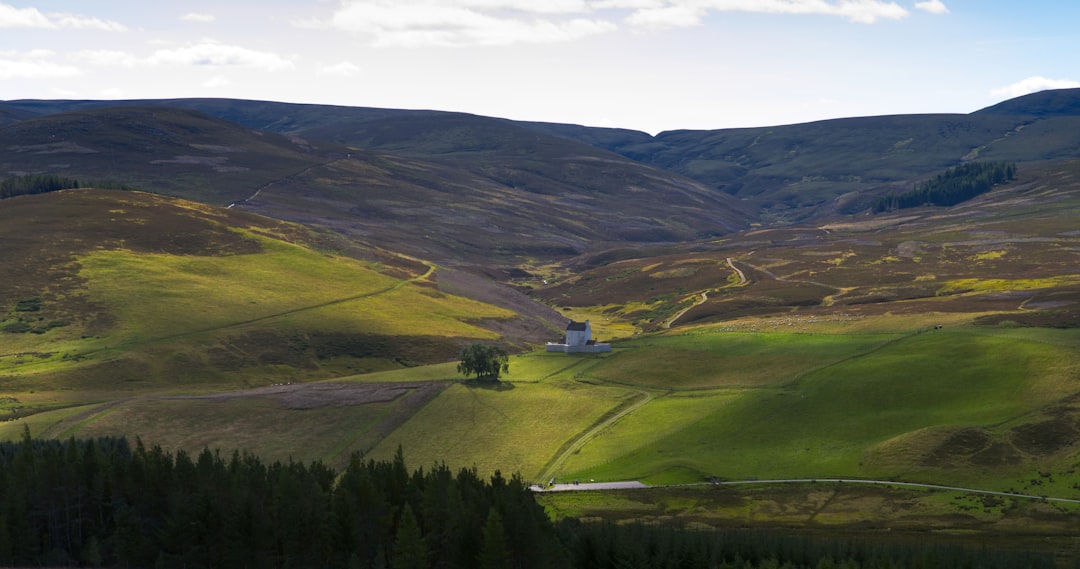
Scotland produces whisky that has become integral to the country’s cultural identity and economic heritage. Whisky production in Scotland follows established methods that have developed over centuries, with distinct regional variations influenced by geographical location, climate conditions, and available natural resources. The flavor profiles range from the light, floral characteristics typical of Lowland whiskies to the heavily peated expressions found on Islay.
Scotland’s whisky production is organized into seven officially recognized regions: the Lowlands, Highlands, Speyside, Islay, the Islands, Campbeltown, and the Borders. Each region produces whiskies with distinctive characteristics that result from local distillation methods, water sources, peat availability, and historical production practices. These regional differences create a diverse range of flavor profiles within Scotch whisky, from grain-forward and subtle expressions to complex, heavily influenced single malts.
Understanding these regional distinctions provides insight into the factors that determine the taste, aroma, and overall character of different Scotch whiskies produced throughout Scotland.
Key Takeaways
- Scotland’s whisky regions each offer unique flavor profiles influenced by geography and tradition.
- The Lowlands produce delicate, light whiskies, while the Highlands are known for diverse and robust flavors.
- Speyside is renowned as the heart of malt whisky production with rich, fruity notes.
- Islay whiskies are distinctively peaty and smoky, reflecting their island environment.
- Whisky trails across Scotland provide immersive experiences showcasing the rich heritage and terroir of each region.
The Lowlands: Delicate and Light
The Lowlands region is often regarded as the gateway to Scotch whisky, characterized by its gentle rolling hills and fertile valleys. This area is known for producing lighter, more delicate whiskies that are often floral and fruity in nature. The Lowlands’ climate is milder compared to other regions, with a temperate maritime influence that contributes to the subtlety of its whiskies.
Distilleries such as Auchentoshan and Glen Garioch exemplify this style, offering expressions that are approachable and refreshing. One of the defining features of Lowland whiskies is their triple distillation process, which is less common in other regions. This method results in a smoother spirit with a lighter body, making it an excellent introduction for those new to Scotch whisky.
The flavor profiles often include notes of citrus fruits, green apples, and a hint of grassiness. For instance, Auchentoshan’s 12-Year-Old expression showcases these characteristics beautifully, with a vibrant nose of lemon zest and vanilla, followed by a palate that is both creamy and refreshing.
The Highlands: Diverse and Robust
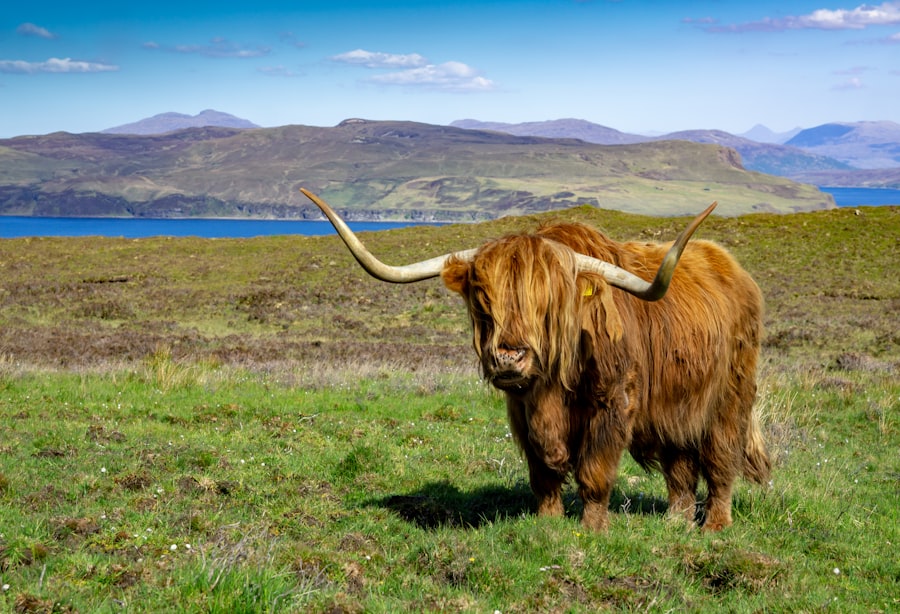
The Highlands is Scotland’s largest whisky-producing region, encompassing a vast and varied landscape that ranges from rugged mountains to serene lochs. This geographical diversity translates into an equally diverse array of whisky styles. Highland whiskies can be robust and full-bodied or light and floral, depending on their specific location within the region.
Distilleries such as Oban and Dalmore highlight this diversity, each offering unique expressions that reflect their surroundings. The Highland region’s climate varies significantly from one area to another, influencing the maturation process of the whisky. For example, whiskies produced near the coast may exhibit maritime characteristics, while those from inland distilleries may have richer, earthier notes.
A prime example is the Oban 14-Year-Old, which presents a harmonious balance of smoky sea air and rich maltiness. In contrast, Dalmore’s expressions often feature deep sherry influences, showcasing dark fruits and chocolate notes that are a testament to the region’s versatility.
Speyside: Home of the Malt Whisky
Nestled within the Highlands lies Speyside, often referred to as the heart of malt whisky production in Scotland. This region is home to more than half of Scotland’s distilleries, including iconic names like Glenfiddich and Macallan. Speyside whiskies are typically characterized by their sweetness and complexity, often featuring rich fruit flavors such as apple, pear, and dried fruits.
The abundance of pure water from the River Spey plays a crucial role in shaping these flavors. Speyside’s distilleries often employ traditional methods that have been passed down through generations. The use of ex-sherry casks for maturation is particularly prevalent in this region, imparting rich flavors of dried fruits, nuts, and spices to the whisky.
The Macallan Sherry Oak series exemplifies this practice, offering expressions that are deeply complex with layers of flavor that evolve on the palate. Glenfiddich’s 15-Year-Old also showcases Speyside’s signature style with its harmonious blend of honeyed sweetness and warm spice.
Islay: Peaty and Smoky Flavors
| Region | Number of Distilleries | Flavor Profile | Notable Distilleries | Typical Whisky Characteristics |
|---|---|---|---|---|
| Speyside | 50+ | Fruity, Sweet, Rich | Glenfiddich, Macallan, Glenlivet | Light, smooth, often with apple, pear, honey notes |
| Highlands | 30+ | Varied: Floral, Peaty, Spicy | Dalmore, Glenmorangie, Oban | Full-bodied, sometimes smoky, with heather and spice |
| Islay | 8 | Peaty, Smoky, Maritime | Laphroaig, Ardbeg, Lagavulin | Strong peat smoke, seaweed, iodine, medicinal notes |
| Lowlands | 5 | Light, Floral, Fresh | Auchentoshan, Glenkinchie | Delicate, grassy, citrus, and floral aromas |
| Campbeltown | 3 | Salty, Briny, Complex | Springbank, Glen Scotia | Full-bodied, slightly smoky, with maritime influence |
| Islands (excluding Islay) | 7+ | Peaty, Salty, Woody | Talisker, Highland Park, Jura | Varied peat levels, often maritime with heather and brine |
Islay is perhaps the most famous whisky region in Scotland, known for its bold and distinctive peaty flavors. The island’s unique geography—characterized by rugged coastlines and abundant peat bogs—contributes to the intense smokiness that defines many Islay whiskies. Distilleries such as Laphroaig and Ardbeg are celebrated for their heavily peated expressions that evoke a sense of place through their complex flavor profiles.
The influence of peat on Islay whiskies cannot be overstated; it imparts earthy, smoky notes that can range from subtle to overpowering. Laphroaig 10-Year-Old is a quintessential example of this style, offering a powerful combination of medicinal qualities and briny sea air. In contrast, Ardbeg’s Uigeadail presents a more balanced approach with layers of dark chocolate and dried fruit complementing its signature smokiness.
The island’s maritime climate also adds a saline quality to many expressions, enhancing their complexity.
The Islands: Maritime Influence
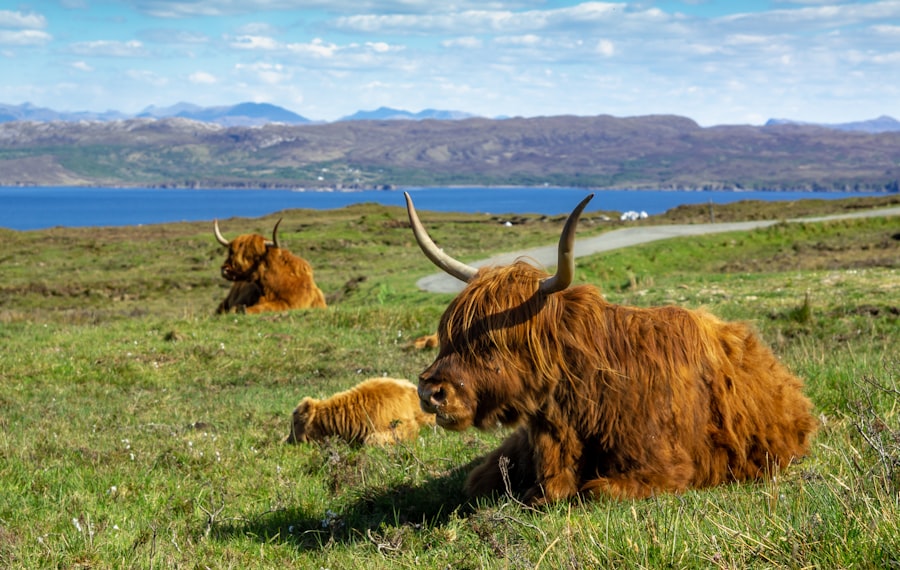
The Islands is an unofficial whisky region that encompasses several islands surrounding Scotland’s mainland, including Skye, Orkney, and Jura. Whiskies from this region are known for their maritime influence, often exhibiting briny notes alongside a range of other flavors that can vary widely from one distillery to another. Talisker from Skye is one of the most recognized names in this category, celebrated for its peppery spice and coastal character.
The diverse landscapes of the Islands contribute to the unique flavor profiles found in their whiskies. For instance, Highland Park from Orkney combines heather honey sweetness with a gentle smokiness derived from local peat. Meanwhile, Jura’s expressions often showcase a lighter style with fruity notes balanced by a hint of saltiness from the surrounding sea.
The interplay between land and sea creates a distinctive character in Island whiskies that sets them apart from those produced in other regions.
Campbeltown: A Once Thriving Whisky Region
Campbeltown was once considered the whisky capital of Scotland during the 19th century, boasting over 30 distilleries at its peak. Today, however, only a handful remain operational, yet they continue to produce some exceptional whiskies that reflect the region’s storied past. Campbeltown whiskies are known for their complexity and distinctive maritime character, often featuring briny notes alongside rich maltiness.
Springbank is perhaps the most famous distillery in Campbeltown, renowned for its traditional production methods that include both unpeated and peated expressions. The Springbank 15-Year-Old exemplifies this complexity with layers of flavor ranging from citrus fruits to earthy peat smoke. Another notable distillery is Glen Scotia, which produces whiskies that often showcase a balance between sweetness and savory notes.
Despite its decline in production capacity over the years, Campbeltown remains an essential part of Scotland’s whisky heritage.
The Borders: A Revival of Whisky Production
The Borders region has experienced a revival in whisky production in recent years after a long period of decline. Historically known for its illicit distilling practices during the 18th century, the Borders has seen new distilleries emerge that pay homage to its rich history while embracing modern techniques. The return of whisky production has rekindled interest in this lesser-known region.
One notable distillery leading this revival is The Borders Distillery in Jedburgh. Opened in 2018, it produces single malt Scotch whisky using traditional methods while incorporating innovative practices such as using local grains sourced from nearby farms. The resulting whiskies reflect both the heritage of the region and contemporary influences.
As more distilleries continue to establish themselves in the Borders, this area is poised to reclaim its place on Scotland’s whisky map.
The Influence of Terroir on Whisky Flavors
Terroir plays a significant role in shaping the flavors of Scotch whisky across different regions. This concept encompasses not only the geographical location but also factors such as soil composition, climate conditions, and local water sources—all of which contribute to the unique characteristics of each whisky produced. For instance, the mineral content of water used in distillation can influence fermentation processes and ultimately affect flavor profiles.
In Islay, for example, the presence of peat bogs imparts distinct earthy notes to many whiskies produced on the island. Conversely, Speyside’s soft water contributes to the smoothness and sweetness characteristic of its malts. Additionally, variations in climate can impact maturation; whiskies aged in coastal regions may develop briny qualities due to exposure to sea air during aging processes.
Understanding how terroir influences flavor allows enthusiasts to appreciate Scotch whisky on a deeper level.
Exploring Scotland’s Whisky Trails
For those eager to experience Scotland’s whisky regions firsthand, numerous whisky trails offer guided tours through distilleries while providing insights into production methods and tasting opportunities. These trails allow visitors to immerse themselves in local culture while sampling an array of expressions unique to each region. The Speyside Whisky Trail is particularly popular among enthusiasts; it features several renowned distilleries within close proximity to one another.
Another notable trail is the Islay Whisky Trail which showcases some of the island’s most famous distilleries along with breathtaking coastal scenery. Visitors can explore Laphroaig’s picturesque grounds or enjoy tastings at Ardbeg while soaking up stunning views over the Atlantic Ocean. Each trail provides an opportunity not only to taste exceptional whiskies but also to learn about their history and production processes directly from those who craft them.
The Rich Tapestry of Scotland’s Whisky Regions
Scotland’s whisky regions present a rich tapestry woven from centuries-old traditions and diverse landscapes that shape each expression uniquely. From the delicate floral notes found in Lowland whiskies to the bold peatiness characteristic of Islay malts, every sip tells a story rooted in place and heritage. As enthusiasts explore these regions—whether through tastings at local distilleries or journeys along scenic trails—they gain insight into what makes Scotch whisky one of the world’s most revered spirits.
The revival seen in areas like Campbeltown and The Borders further emphasizes how dynamic this industry can be while honoring its past traditions at every turn. As new generations embrace both innovation alongside time-honored practices within these storied regions—Scotland’s whisky landscape continues evolving while remaining deeply connected to its roots—a testament not only to craftsmanship but also resilience within an ever-changing world.
Scotland is renowned for its diverse whisky regions, each offering unique flavors and characteristics that reflect the local environment and traditions. For those looking to deepen their understanding of whisky, a great resource is the article on whisky enjoyment, which provides insights into how to appreciate this beloved spirit. Whether you’re a novice or a seasoned connoisseur, exploring the nuances of different regions can enhance your tasting experience.
FAQs
What are the main whisky regions in Scotland?
Scotland’s main whisky regions include Speyside, Islay, Highlands, Lowlands, Campbeltown, and the Islands. Each region is known for distinct styles and flavors of Scotch whisky.
What characterizes Speyside whiskies?
Speyside whiskies are typically known for their sweet, fruity, and elegant flavors. This region has the highest concentration of distilleries in Scotland and is famous for producing smooth and approachable single malts.
What makes Islay whiskies unique?
Islay whiskies are renowned for their strong peaty and smoky flavors, often with maritime notes due to the island’s coastal location. They tend to be bold and intense, appealing to those who enjoy robust whisky profiles.
How do Highland whiskies differ from others?
Highland whiskies are diverse, ranging from light and floral to rich and peaty. The Highlands cover a large geographic area, so the whiskies produced here can vary significantly in style and character.
What is special about Lowland whiskies?
Lowland whiskies are generally lighter and more delicate, often with grassy, floral, and citrus notes. They are typically triple-distilled, which contributes to their smoothness and subtlety.
Where is Campbeltown and what is its whisky style?
Campbeltown is a small whisky-producing region located on the Kintyre Peninsula. Its whiskies are known for their distinctive briny, smoky, and sometimes slightly salty flavors, reflecting the maritime environment.
Are the Islands considered a separate whisky region?
The Islands are often considered a sub-region of the Highlands and include islands such as Skye, Orkney, and Jura. Whiskies from the Islands vary but often have a balance of peat, saltiness, and sweetness.
Can I visit whisky distilleries in these regions?
Yes, many distilleries across Scotland’s whisky regions offer tours and tastings. Visitors can learn about the production process, sample different whiskies, and explore the unique heritage of each region.
Does the region affect the price of Scotch whisky?
The region can influence the price due to factors like production scale, rarity, and demand. For example, some Speyside whiskies are highly sought after and can be expensive, while others from less prominent regions may be more affordable.
Is the regional classification official or traditional?
The whisky regions in Scotland are traditional classifications rather than official legal designations. They help categorize Scotch whiskies based on geography and typical flavor profiles but are not strictly regulated boundaries.