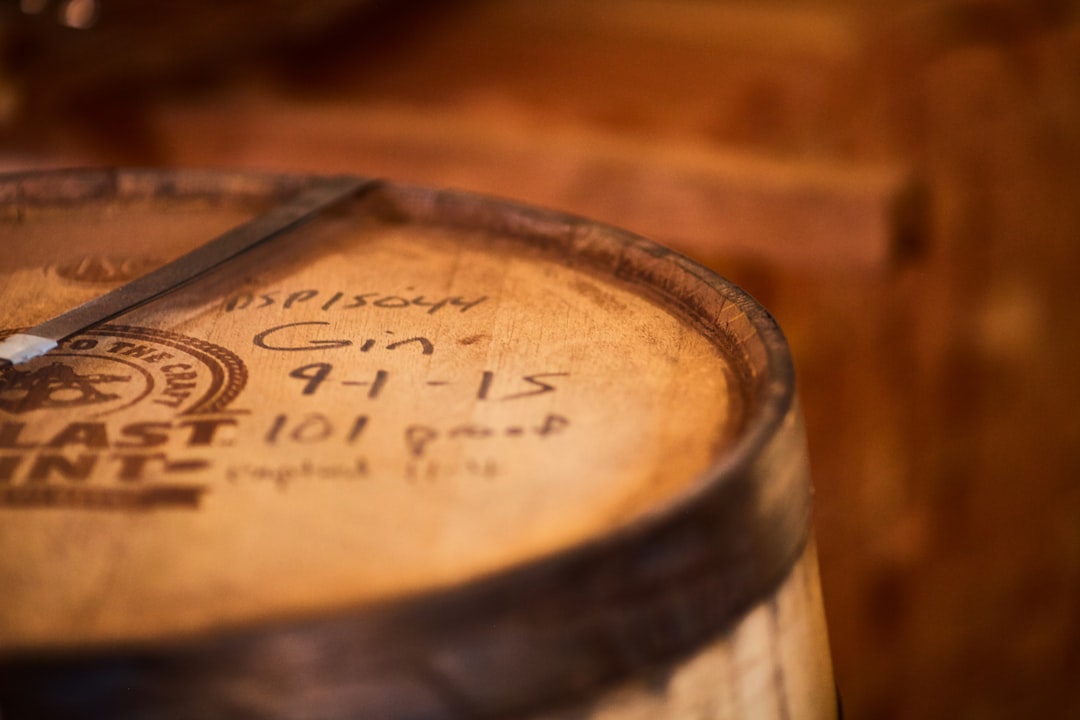
Aging whisky is a critical process that significantly influences its flavor, aroma, and overall character. The maturation period allows the spirit to interact with the wood of the barrel, leading to a complex transformation that can enhance its qualities. During this time, various chemical reactions occur, resulting in the development of desirable flavors and aromas that are often sought after by connoisseurs.
The aging process is not merely a waiting game; it is an intricate dance between time, environment, and the materials involved. The longer a whisky ages, the more it can develop depth and complexity, making it a coveted product in the spirits market. Moreover, aging whisky serves as a testament to craftsmanship and tradition.
Distillers often take great pride in their aging processes, with some even going so far as to create specific aging profiles for their brands. This dedication to quality and tradition is reflected in the price and prestige of aged whiskies. Collectors and enthusiasts alike are willing to pay a premium for bottles that have been aged for decades, as they represent not just a drink but a piece of history and artistry.
The importance of aging whisky cannot be overstated; it is a fundamental aspect that defines the spirit’s identity and allure.
Key Takeaways
- Aging whisky in barrels is crucial for developing its complex flavors and character.
- The type and quality of the barrel wood significantly influence the whisky’s taste and aroma.
- Environmental factors like climate and temperature play a vital role in the maturation process.
- Techniques such as barrel selection and blending are essential to achieve the desired flavor profile.
- Monitoring maturation closely ensures optimal aging before bottling the final product.
The Role of the Barrel in Whisky Aging
The barrel plays an indispensable role in the aging process of whisky, acting as both a container and a catalyst for flavor development. Typically made from oak, barrels are chosen for their unique properties that contribute to the whisky’s maturation. The wood’s porous nature allows for the exchange of air and moisture, which is essential for the oxidation process that occurs during aging.
This interaction helps mellow harsh alcohol notes while enhancing the overall flavor profile. The type of oak used—whether American, European, or Japanese—can impart distinct characteristics to the whisky, influencing everything from sweetness to spiciness. Additionally, barrels are often charred or toasted before being filled with whisky, which creates a layer of caramelized sugars and compounds that further enrich the spirit.
This charring process not only adds flavors such as vanilla and caramel but also helps to filter out undesirable compounds. The barrel’s previous contents also play a significant role; for instance, barrels that once held sherry or bourbon can impart unique flavors that are absorbed by the whisky during maturation. Thus, the choice of barrel is not merely a logistical decision but a crucial element in crafting a whisky’s identity.
Factors Affecting Whisky Aging
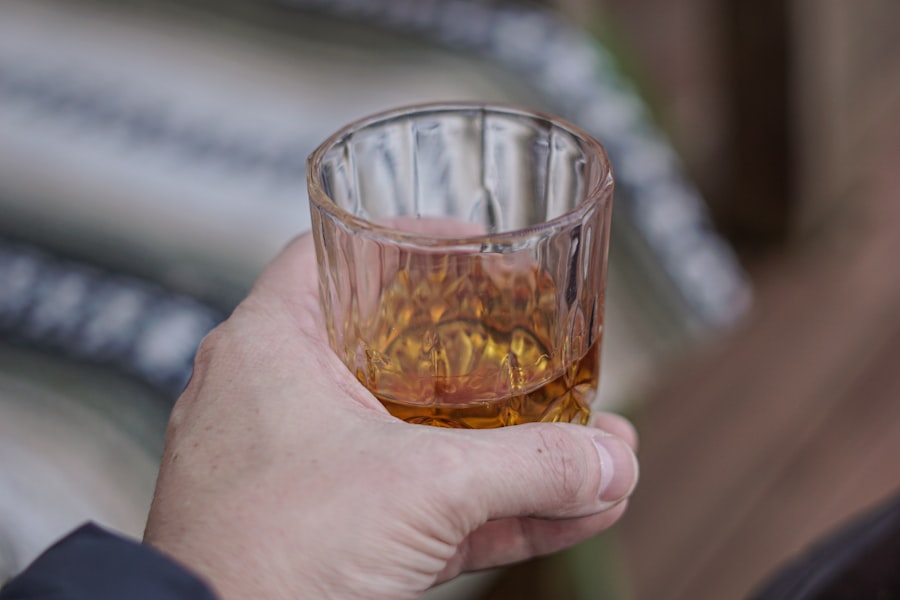
Several factors influence how whisky ages, each contributing to the final product’s character. One of the most significant factors is temperature. Warmer temperatures accelerate the interaction between the whisky and the wood, leading to faster maturation.
Conversely, cooler temperatures can slow down this process, allowing for more subtle flavor development over time. Distilleries located in warmer climates may find that their whiskies mature more quickly than those in cooler regions, which can lead to variations in flavor profiles even among whiskies produced by the same distillery. Humidity is another critical factor that affects whisky aging.
In humid environments, water evaporates from the barrel more quickly than alcohol, leading to a higher alcohol concentration in the remaining liquid. This phenomenon can result in a more intense flavor profile as the whisky becomes richer and more concentrated over time. Conversely, in drier climates, alcohol may evaporate faster than water, potentially diluting the spirit’s flavor.
These environmental factors highlight the complexity of whisky aging and underscore why two distilleries producing similar whiskies can yield vastly different results based on their geographical locations.
The Art of Barrel Selection
Selecting the right barrel is an art form that requires both knowledge and intuition. Distillers must consider various factors when choosing barrels for aging their whisky, including wood type, previous contents, and even the barrel’s age. New American oak barrels are popular for their ability to impart strong flavors like vanilla and caramel due to their high lactone content.
In contrast, European oak barrels often provide more subtle flavors such as dried fruit and spice, making them ideal for certain styles of whisky. Moreover, the history of the barrel can significantly influence its contribution to the whisky. Barrels that have previously held sherry or port can impart rich fruitiness and complexity, while those used for bourbon may add sweetness and depth.
Some distilleries even experiment with finishing their whiskies in different types of barrels after initial aging to create unique flavor profiles. This meticulous selection process is crucial; it requires an understanding of how different woods interact with spirits over time and how those interactions will shape the final product.
The Impact of Wood on Whisky Flavor
| Age (Years) | Color | Flavor Characteristics | Alcohol Content (%) | Common Barrel Type |
|---|---|---|---|---|
| 1-3 | Light Straw | Fresh, Grainy, Light Fruity Notes | 60-65 | Ex-bourbon American oak |
| 4-6 | Golden Amber | Vanilla, Caramel, Mild Spice | 58-62 | Ex-bourbon American oak |
| 7-10 | Amber | Rich Caramel, Oak, Dried Fruit | 55-60 | American oak or Sherry cask |
| 11-15 | Deep Amber | Complex Spice, Nutty, Dark Fruit | 53-58 | Sherry cask or European oak |
| 16-20 | Mahogany | Rich Oak, Tobacco, Leather, Chocolate | 50-55 | European oak or Combination casks |
| 21+ | Dark Mahogany | Intense Oak, Spice, Earthy, Complex | 48-54 | Various cask finishes |
The type of wood used in barrel construction has a profound impact on the flavor profile of aged whisky. Oak is favored for its unique properties that enhance flavor development through its porous structure and chemical composition. Within oak itself, there are various species—such as Quercus alba (American oak) and Quercus robur (European oak)—each contributing distinct characteristics to the whisky.
American oak tends to impart sweeter notes like vanilla and coconut due to its higher levels of vanillin and lactones, while European oak often brings spicier notes such as clove and nutmeg. The interaction between whisky and wood also involves complex chemical reactions during aging. Compounds within the wood break down over time, releasing flavors into the spirit while simultaneously absorbing undesirable elements from it.
This exchange creates a dynamic environment where flavors evolve continuously throughout the maturation process. Additionally, factors such as barrel charring can enhance these interactions by creating a layer of caramelized sugars that further enriches the whisky’s flavor profile.
Techniques for Accelerated Whisky Aging
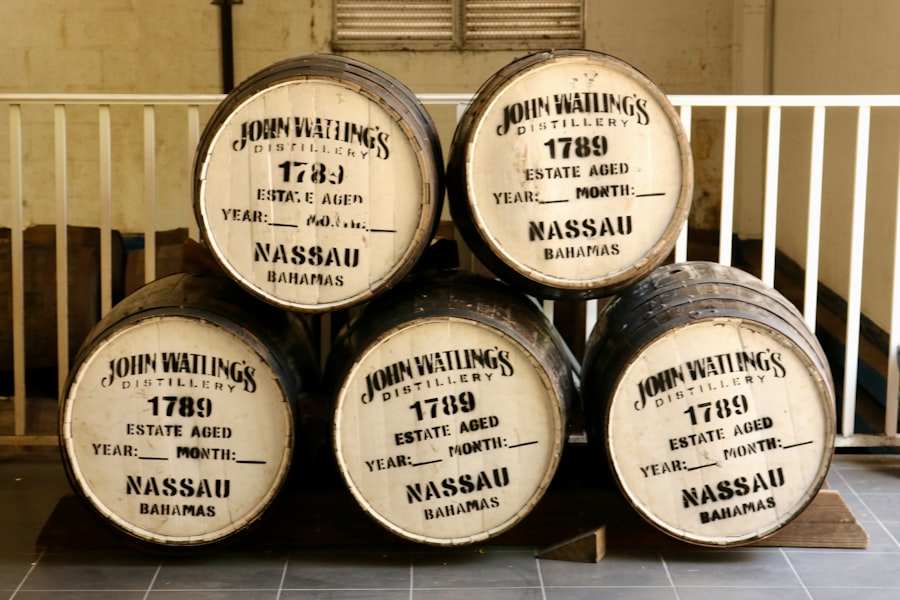
While traditional aging methods can take years or even decades, some distilleries have begun exploring techniques for accelerated whisky aging. These methods aim to replicate or enhance the natural processes that occur over time in order to produce mature-tasting spirits in a fraction of the time. One popular technique involves using smaller barrels, which have a greater surface area relative to their volume.
This increased contact with wood allows for faster extraction of flavors and compounds from the barrel. Another innovative approach involves manipulating environmental conditions within aging warehouses. By controlling temperature and humidity levels more precisely, distillers can create an environment that mimics the effects of long-term aging in a shorter timeframe.
Some distilleries even employ ultrasonic waves or other technologies to enhance molecular interactions between whisky and wood, further speeding up maturation. While these techniques can produce interesting results, they often spark debate among purists who argue that true whisky character can only be achieved through traditional aging methods.
Monitoring and Managing Whisky Maturation
Effective monitoring and management of whisky maturation are essential for achieving desired flavor profiles and quality standards. Distillers often employ sensory evaluation techniques throughout the aging process to assess how flavors develop over time. Tasting samples at regular intervals allows them to track changes in aroma and taste, ensuring that they can intervene if necessary—whether by adjusting environmental conditions or deciding when to bottle.
In addition to sensory evaluations, some distilleries utilize scientific methods such as gas chromatography or mass spectrometry to analyze chemical compounds present in their whiskies during aging. These analyses provide valuable insights into how different compounds evolve over time and can help distillers make informed decisions about when to bottle their products. This combination of traditional tasting methods and modern scientific techniques allows distillers to maintain high standards while also exploring new avenues for flavor development.
The Influence of Climate on Whisky Aging
Climate plays a pivotal role in shaping how whisky ages within its barrel. Distilleries located in different regions experience varying temperature fluctuations and humidity levels throughout the year, which directly impact maturation rates and flavor profiles. For instance, whiskies aged in warmer climates tend to mature more quickly due to increased evaporation rates and enhanced interaction with wood.
This can lead to bolder flavors developing at an accelerated pace compared to whiskies aged in cooler regions. Conversely, cooler climates may allow for slower maturation processes that yield more nuanced flavors over extended periods. The seasonal variations experienced in these regions can also contribute to unique characteristics; for example, temperature swings between day and night can create pressure changes within barrels that facilitate greater interaction between whisky and wood.
As such, climate is not merely an external factor but an integral component influencing every aspect of whisky aging.
The Science of Whisky Aging
The science behind whisky aging involves complex chemical reactions that transform raw spirit into a refined product over time. During maturation, various compounds within both the whisky and barrel interact through processes such as oxidation, evaporation, and extraction. Oxidation occurs when oxygen enters the barrel through its porous structure; this interaction helps mellow harsh alcohol notes while enhancing desirable flavors.
Evaporation also plays a crucial role in shaping whisky character during aging—often referred to as “the angel’s share.” As water evaporates from the barrel, it alters the concentration of alcohol and other compounds within the spirit itself. This evaporation process can lead to richer flavors as well as changes in mouthfeel over time. Additionally, extraction occurs when compounds from the wood dissolve into the liquid; this includes not only flavor compounds but also tannins that contribute to texture and complexity.
The Art of Blending Aged Whiskies
Blending aged whiskies is an art form that requires skillful craftsmanship and an acute understanding of flavor profiles. Master blenders meticulously select different aged whiskies based on their individual characteristics—such as aroma, taste, mouthfeel—and combine them to create a harmonious final product. This process allows distilleries to achieve consistency across batches while also crafting unique expressions that highlight specific flavor notes.
The blending process often involves trial and error; blenders may experiment with various ratios until they find the perfect balance between different components. Some distilleries even maintain extensive libraries of aged whiskies from various years or cask types specifically for blending purposes. This practice not only ensures quality control but also allows for creative exploration within established brands—resulting in limited editions or special releases that showcase innovative combinations of flavors.
The Final Step: Bottling Aged Whisky
Bottling aged whisky marks the culmination of years—or even decades—of careful craftsmanship and patience. Once distillers determine that their product has reached its desired maturity level through rigorous monitoring and tasting evaluations, they prepare it for bottling. This process typically involves filtering out any sediment or impurities while ensuring that the spirit retains its intended character.
Before bottling occurs, distillers may choose to dilute their whisky with water to achieve a specific alcohol content—often around 40% ABV for standard bottlings—while preserving flavor integrity. Once bottled, each expression carries with it not just a taste but also a story—a narrative shaped by time spent maturing within barrels under specific conditions. As consumers uncork these bottles at home or in bars around the world, they partake in an experience steeped in tradition—a celebration of craftsmanship that transcends mere consumption into something truly special.
The aging process of whisky is a crucial factor that significantly influences its flavor profile and overall quality. As whisky matures in barrels, it absorbs compounds from the wood, which can enhance its complexity and depth. For a fascinating example of how age impacts whisky, you can explore the Laphroaig 28 Years Old, which showcases the remarkable characteristics developed over decades of aging.
FAQs
What is the whisky aging process?
The whisky aging process involves storing distilled whisky in wooden barrels, typically oak, for a period of time to develop its flavor, aroma, and color. During aging, the whisky interacts with the wood and undergoes chemical changes that enhance its complexity.
Why is whisky aged in oak barrels?
Oak barrels are used because they are durable and porous, allowing the whisky to breathe and interact with the wood. Oak imparts desirable flavors such as vanilla, caramel, and spice, and helps mellow harsh alcohol notes.
How long is whisky typically aged?
Whisky aging times vary widely, commonly ranging from 3 to 12 years or more. The minimum aging period for many whiskies is 3 years, but some premium whiskies are aged for decades to develop deeper flavors.
Does whisky continue to age after bottling?
No, whisky does not age or mature once it is bottled. The aging process only occurs while the whisky is in the barrel, where it interacts with the wood and environment.
How does aging affect the flavor of whisky?
Aging smooths out harsh flavors, adds complexity, and introduces new flavor notes from the wood such as vanilla, caramel, oak, and spice. The longer the aging, the more pronounced these characteristics typically become.
What factors influence the whisky aging process?
Factors include the type of wood used for barrels, barrel size, climate and temperature, humidity, and the length of aging. Each factor affects how the whisky interacts with the barrel and develops its flavor.
Is older whisky always better?
Not necessarily. While aging can improve flavor, excessively long aging can lead to over-oaking or loss of desirable characteristics. The best age depends on the whisky style and personal preference.
What is the difference between aging in new barrels and used barrels?
New barrels impart stronger wood flavors and tannins, while used barrels provide subtler influences and can add complexity from previous contents, such as sherry or bourbon, depending on the barrel’s history.
Can whisky be aged in barrels other than oak?
Oak is the traditional and preferred wood for aging whisky due to its properties, but some experimental whiskies may use other woods. However, these are rare and not common in traditional whisky production.
How does climate affect whisky aging?
Warmer climates accelerate the aging process by increasing the interaction between whisky and wood, while cooler climates slow it down. This affects the speed at which flavors develop and mature.