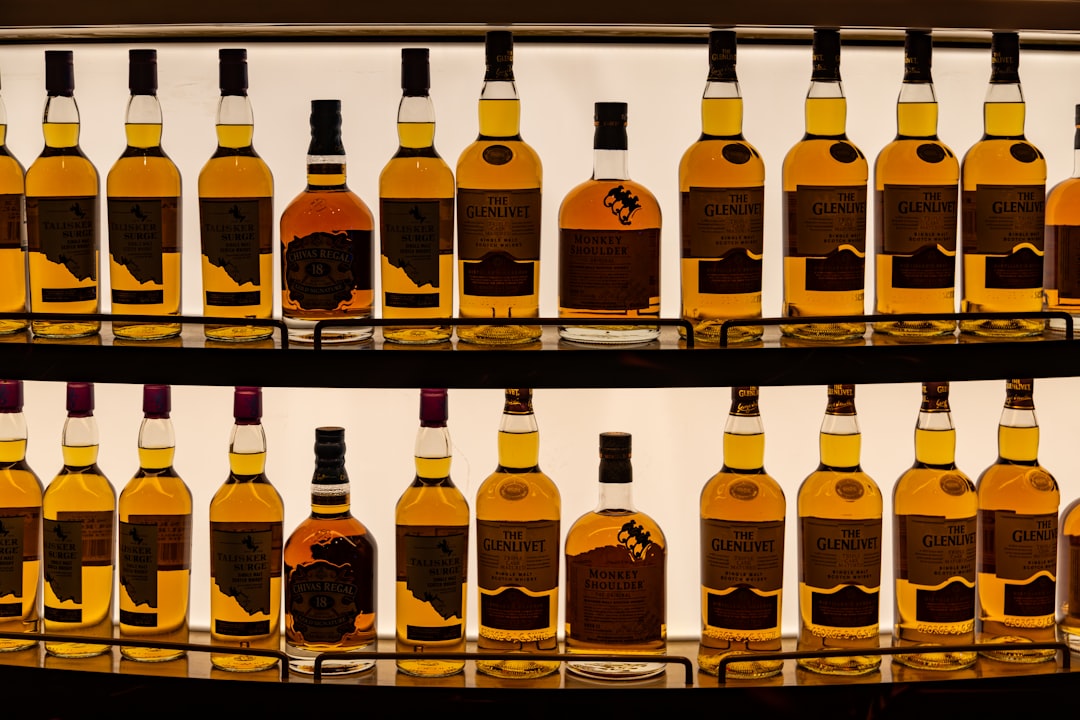
The origins of whisky can be traced back to the early medieval period, with the first documented evidence appearing in the 15th century. The word “whisky” derives from the Gaelic term “uisge beatha,” meaning “water of life.” The earliest records of whisky production come from Ireland and Scotland, where monks developed distillation techniques. These religious communities applied their knowledge of fermentation to create a distilled spirit with distinctive flavor characteristics.
As whisky production expanded throughout the British Isles, regional variations developed. Scotland’s first licensed distillery was established in 1608, though this was actually the Old Bushmills Distillery in Northern Ireland, not Scotland. In Ireland, distillers refined their processes to produce smoother, triple-distilled whiskies.
The 18th century witnessed whisky’s growing popularity among the general population, resulting in the establishment of numerous distilleries across both countries. The Excise Act of 1823 in the United Kingdom introduced standardized regulations for whisky production and taxation. This legislation reduced illegal distilling operations and encouraged quality improvements in commercial production.
This period represents a crucial transition in whisky history, transforming it from a localized craft into an organized commercial industry.
Key Takeaways
- Whisky making has a rich history shaped by tradition and innovation.
- Key ingredients include malted barley, water, and yeast, each impacting flavor.
- Distillation and aging in barrels are crucial for developing whisky’s character.
- Terroir and water quality significantly influence the final taste profile.
- Whisky holds deep cultural significance and continues to evolve with new techniques.
The Ingredients of Whisky
Whisky is crafted from a few essential ingredients: water, grains, yeast, and sometimes additional flavoring agents. The choice of grains is particularly crucial, as they determine the whisky’s character and flavor profile. Barley is the primary grain used in malt whisky production, while corn is predominant in bourbon.
Rye and wheat are also used, each imparting distinct flavors and aromas to the final product. For instance, rye whisky tends to have a spicier profile, while wheat-based whiskies are often softer and smoother. Water plays a vital role in whisky making, not only as a key ingredient but also in influencing the overall quality of the spirit.
The mineral content and purity of the water can significantly affect fermentation and distillation processes. Many distilleries source their water from natural springs or rivers that are rich in minerals, which can enhance the flavor of the whisky. Yeast is another critical component; it is responsible for fermentation, converting sugars from the grains into alcohol.
Different strains of yeast can produce varying flavor compounds, contributing to the complexity of the whisky.
The Distillation Process
The distillation process is where raw ingredients are transformed into whisky. This process typically occurs in two stages: wash distillation and spirit distillation. During wash distillation, the fermented mash is heated in pot stills or column stills.
As the mixture heats up, alcohol vapor rises and is collected, while heavier components remain behind. This initial distillation results in a liquid known as “low wines,” which contains a lower alcohol content. The second stage involves spirit distillation, where low wines are distilled again to increase their alcohol concentration.
This stage is crucial for determining the final character of the whisky. Distillers carefully monitor temperatures and cut points during this process to separate desirable alcohol fractions from undesirable ones. The heart cut contains the most flavorful and aromatic compounds, while heads and tails are typically discarded or redistilled.
The result is a high-proof spirit that will later be diluted with water before aging.
The Aging Process
Aging is one of the most critical stages in whisky production, as it allows the spirit to develop its flavors and aromas over time. Once distilled, whisky is transferred to oak barrels for maturation. The aging process can last anywhere from three years to several decades, depending on the desired characteristics of the final product.
During this time, chemical reactions occur between the whisky and the wood, leading to a complex interplay of flavors. The interaction with wood imparts various compounds into the whisky, including vanillin, tannins, and lignin, which contribute to its sweetness and depth. Additionally, evaporation occurs during aging—a phenomenon known as the “angel’s share.” This loss of volume can concentrate flavors and aromas within the remaining liquid.
Environmental factors such as temperature fluctuations and humidity levels also play a significant role in how whisky ages; warmer climates tend to accelerate maturation while cooler climates slow it down.
The Role of Barrels in Whisky Making
| Stage | Description | Duration | Key Metrics |
|---|---|---|---|
| Malting | Barley grains are soaked in water and allowed to germinate to convert starches into fermentable sugars. | 4-6 days | Moisture content: 45-50%, Germination temperature: 15-20°C |
| Mashing | Germinated barley (green malt) is ground and mixed with hot water to extract sugars. | 4-6 hours | Water temperature: 65-70°C, Sugar extraction efficiency: 75-85% |
| Fermentation | Yeast is added to the wort to ferment sugars into alcohol and produce flavor compounds. | 48-96 hours | Alcohol content: 6-8% ABV, pH: 4.0-4.5, Temperature: 20-25°C |
| Distillation | Fermented wash is distilled to concentrate alcohol and refine flavors. | Varies (usually 2-3 runs) | Alcohol strength after distillation: 60-70% ABV, Number of distillations: 2-3 |
| Maturation | Distilled spirit is aged in wooden casks to develop flavor and color. | 3-20+ years | Barrel type: Oak, Aging time: Minimum 3 years, Angel’s share loss: 2-3% per year |
| Bottling | Whisky is filtered, diluted to bottling strength, and packaged. | Varies | Bottling strength: 40-46% ABV, Filtration: Chill-filtered or non-chill-filtered |
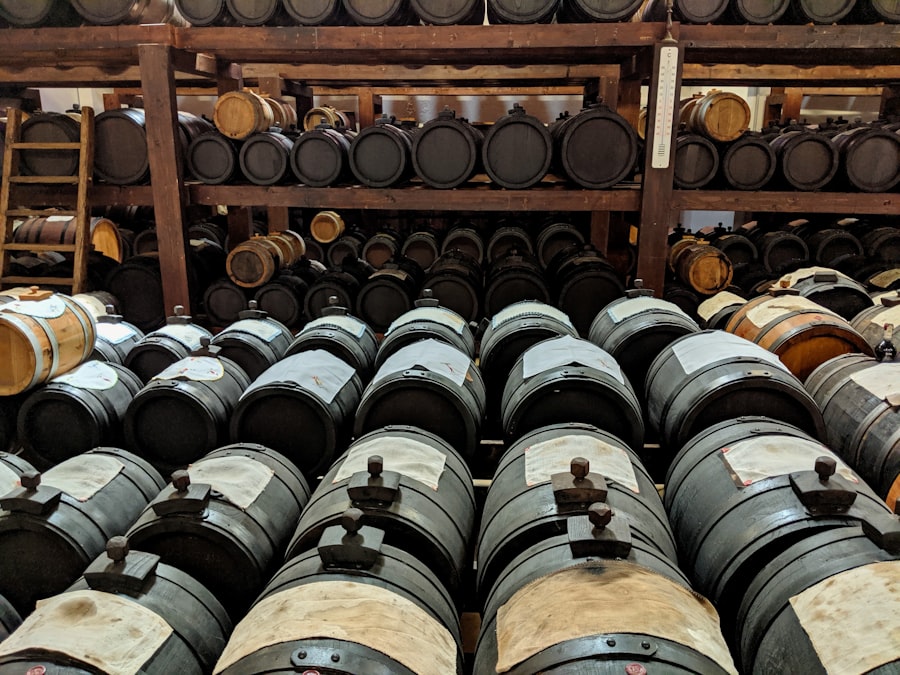
Barrels are not merely containers for aging whisky; they are integral to shaping its flavor profile and overall character. The type of wood used for barrels can significantly influence the final product. American oak barrels, commonly used for bourbon production, impart sweet vanilla and caramel notes due to their high lactone content.
In contrast, European oak barrels often used for sherry cask maturation contribute richer flavors such as dried fruits and spices. The charring or toasting process that barrels undergo before being filled with whisky also affects flavor extraction. Charring creates a layer of charcoal that filters out undesirable compounds while allowing desirable flavors to seep into the spirit.
Distilleries often experiment with different barrel types and treatments to create unique expressions of their whiskies. Some even utilize barrels that previously held other spirits or wines—such as rum or port—to add additional layers of complexity.
The Art of Blending Whisky
Blending is an art form that requires skill and intuition, as it involves combining different whiskies to create a harmonious final product. Master blenders possess an acute sense of taste and smell, allowing them to identify specific flavor notes and balance them effectively. Blending can involve whiskies from various distilleries or different cask types within a single distillery’s portfolio.
The goal of blending is often to achieve consistency across batches while also creating unique flavor profiles that appeal to consumers’ preferences. For example, blended Scotch whiskies like Johnnie Walker or Chivas Regal combine malt and grain whiskies to create a smooth and approachable spirit that can be enjoyed neat or in cocktails. Each blend tells a story through its flavors, reflecting both tradition and innovation within the whisky industry.
The Importance of Water in Whisky Making
Water is often referred to as the lifeblood of whisky making; its significance cannot be overstated. Not only does it serve as an essential ingredient during mashing and fermentation processes, but it also plays a crucial role in dilution before bottling. The quality and mineral content of water can greatly influence both flavor and mouthfeel.
Many renowned distilleries pride themselves on sourcing water from pristine natural springs or aquifers that provide unique mineral profiles conducive to whisky production. For instance, Islay whiskies are known for their peaty character, which is partly attributed to the region’s water sources that flow through peat bogs. Additionally, water is used during the mashing process to extract sugars from grains effectively; thus, its purity directly impacts fermentation efficiency.
The Influence of Terroir on Whisky
Terroir—the concept that environmental factors such as soil composition, climate, and geography influence agricultural products—also applies to whisky making. Just as wine regions produce distinct flavors based on their terroir, so too do different whisky-producing regions impart unique characteristics to their spirits. For example, Scotch whiskies from Speyside are often characterized by their fruity and floral notes due to the region’s temperate climate and fertile soil conditions conducive to barley cultivation.
In contrast, whiskies from Islay are known for their bold peatiness and maritime influences stemming from their coastal location. Distilleries often embrace their local terroir by highlighting regional ingredients or production methods that reflect their heritage.
The Art of Tasting Whisky
Tasting whisky is an experience that engages all senses—sight, smell, taste, and even touch—allowing enthusiasts to appreciate its complexity fully. When tasting whisky, one should first observe its color; hues can range from pale straw to deep amber depending on age and barrel influence. Swirling the glass releases aromatic compounds that can be savored through nosing.
The olfactory experience is crucial; different aromas may evoke memories or sensations associated with specific flavors—vanilla, caramel, spices, or even floral notes may emerge depending on the whisky’s profile. Finally, tasting involves taking small sips to allow the spirit to coat the palate fully; this reveals layers of flavor that unfold over time as one savors each sip.
The Future of Whisky Making
As consumer preferences evolve and new markets emerge globally, the future of whisky making appears promising yet challenging. Craft distilleries are gaining traction as consumers seek unique expressions that reflect local ingredients and innovative production methods. This trend has led to an explosion of artisanal brands that prioritize quality over quantity.
Sustainability has also become a focal point within the industry; many distilleries are adopting eco-friendly practices such as sourcing organic grains or implementing water conservation measures during production processes. Additionally, advancements in technology may enhance efficiency while preserving traditional craftsmanship—a delicate balance that will shape how future generations experience whisky.
The Cultural Significance of Whisky
Whisky holds a profound cultural significance across various societies worldwide; it serves not only as a beverage but also as a symbol of heritage and tradition. In Scotland and Ireland, whisky is deeply intertwined with national identity—celebrated through festivals like Whisky Live or events such as Burns Night where Scotch is enjoyed alongside poetry readings. Moreover, whisky has become an integral part of social gatherings—from casual meetups at pubs to formal celebrations—creating bonds among individuals who share a passion for this storied spirit.
As global interest continues to grow, whisky’s cultural relevance will likely expand further, fostering connections between diverse communities united by their appreciation for craftsmanship and tradition.
The whisky production process is a fascinating journey that transforms simple ingredients into a beloved spirit. For those interested in exploring the nuances of whisky, you might find the article on Pappy Van Winkle particularly enlightening, as it delves into the craftsmanship and heritage behind one of the most sought-after whiskies in the world. Understanding the production methods and the unique characteristics of such whiskies can enhance your appreciation for this timeless beverage.
FAQs
What are the main ingredients used in whisky production?
The primary ingredients in whisky production are water, malted barley (or other grains such as corn, rye, or wheat), and yeast.
What is malting in the whisky production process?
Malting is the process where barley grains are soaked in water, allowed to germinate, and then dried in a kiln. This develops the enzymes needed to convert starches into fermentable sugars.
How is mashing done in whisky production?
Mashing involves mixing the malted barley with hot water to extract sugars. The mixture, called mash, is stirred and heated to convert starches into fermentable sugars.
What happens during fermentation in whisky making?
During fermentation, yeast is added to the mash to convert sugars into alcohol and carbon dioxide. This process typically lasts several days and produces a liquid called “wash” with low alcohol content.
What is distillation in the whisky production process?
Distillation is the process of heating the fermented wash to separate alcohol from water and impurities. It is usually done twice or more in pot stills or continuous stills to increase alcohol concentration.
How is whisky aged?
Whisky is aged in wooden casks, often oak barrels, for a minimum period (usually several years). Aging allows the whisky to develop flavor, color, and aroma through interaction with the wood.
Why is the type of cask important in whisky production?
The type of cask influences the flavor, color, and aroma of the whisky. Different woods and previous contents (e.g., sherry, bourbon) impart unique characteristics to the final product.
What is the difference between single malt and blended whisky?
Single malt whisky is made from malted barley at a single distillery, while blended whisky is a mix of different malt and grain whiskies from multiple distilleries.
Is water quality important in whisky production?
Yes, water quality is crucial as it is used in mashing, fermentation, and dilution before bottling. Pure, clean water contributes to the overall quality and taste of the whisky.
What regulations govern whisky production?
Whisky production is regulated by laws that define production methods, aging periods, and geographical indications. For example, Scotch whisky must be produced in Scotland and aged for at least three years in oak casks.